
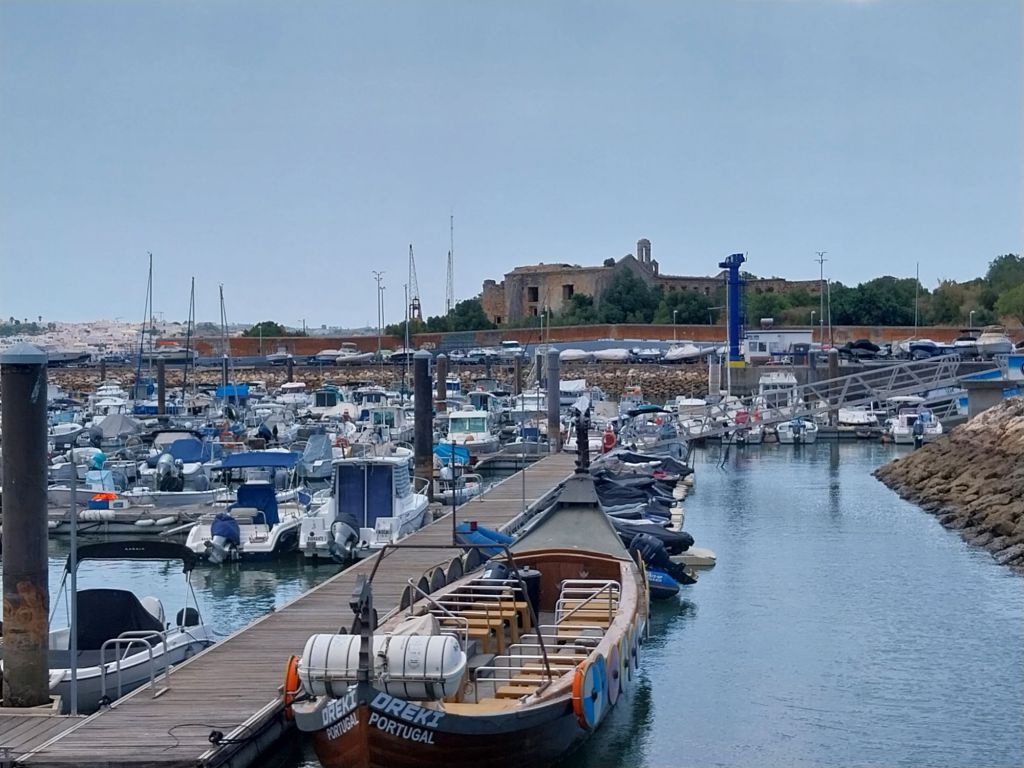
The sun is continuing to shine across the Algarve. In fact, as I write this in August 2026, the whole of Europe has been experiencing one of its longest ever dry spellls, with record temperatures in many places. Thankfully, things have calmed down to a rather agreeable 25 Celsius as I head to Lagos station for today’s relatively short journey. And it’s historically an important one.
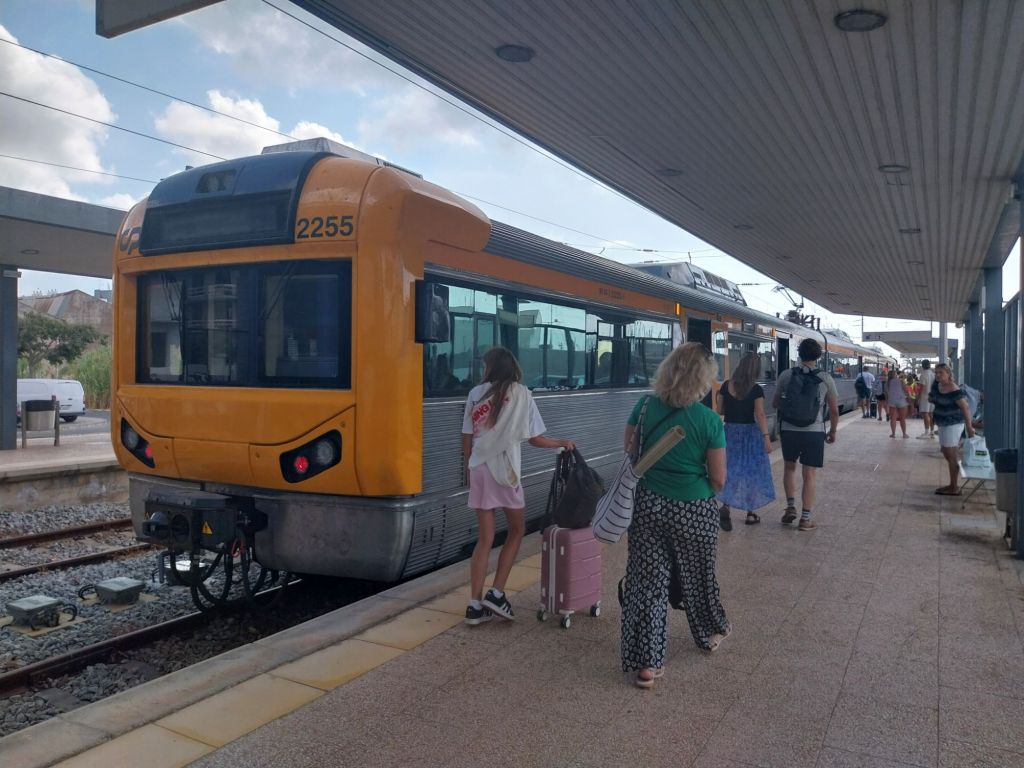
Originally opened in 1899, the Algarve railway line has recently reached a new milestone, with all 140 kilometres of the route electrified. The project was completed in 2025, but it’s only in the last two months that new electric trains have started operating all the way to Lagos.
The first part of the line hugs the coast, with picture postcard views over the Meia Praia beach. The first train out of Lagos runs at 0622, which I note for a possible future trip to capture the sunrise. Today’s more lesiurely 1022 takes just 15 minutes to reach Portimao.
The train station is around 2km from the town centre, and the initial walk along the Main Street doesn’t fill me with too much hope. Faded cafes, shops and even a strip club line the route, but things get better on I reach the road bridge and head down the impeccably manicured waterfront.
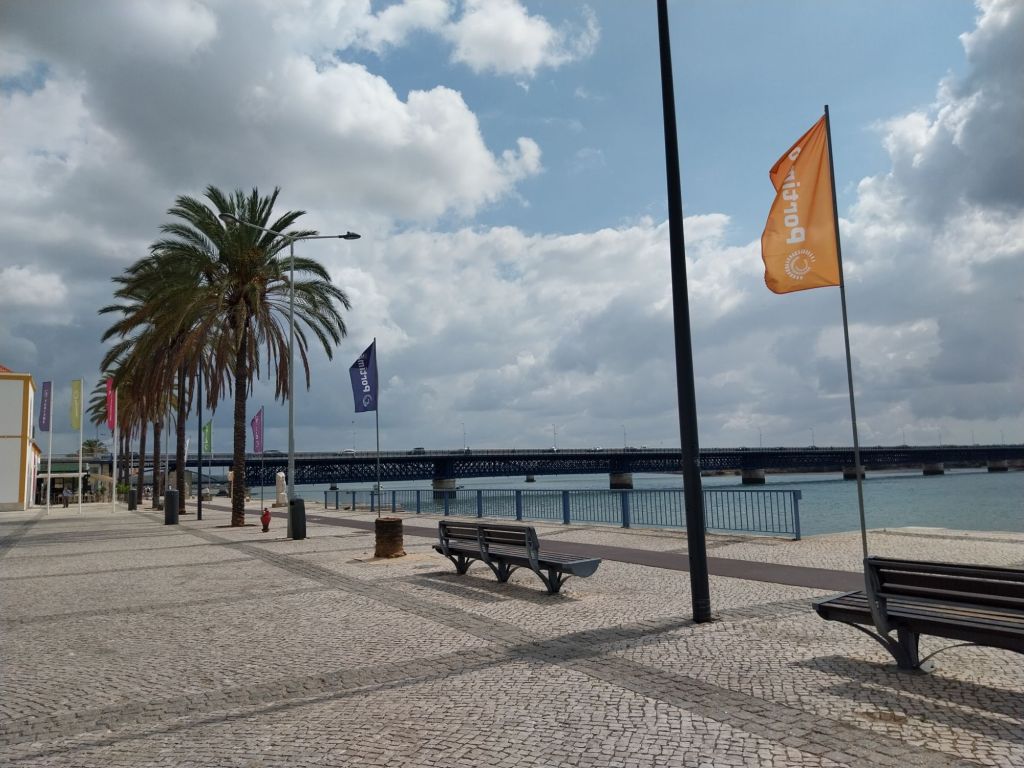
Portimao originated as a Neolithic fishing village. It was devastated by the Lisbon earthquake in 1755, whose effects were felt hundreds of kilometres to the south. But it’s industrial heyday came in the 19th century with the rise of the fishing industry. The vast waterfront area was the location of the original fish market.
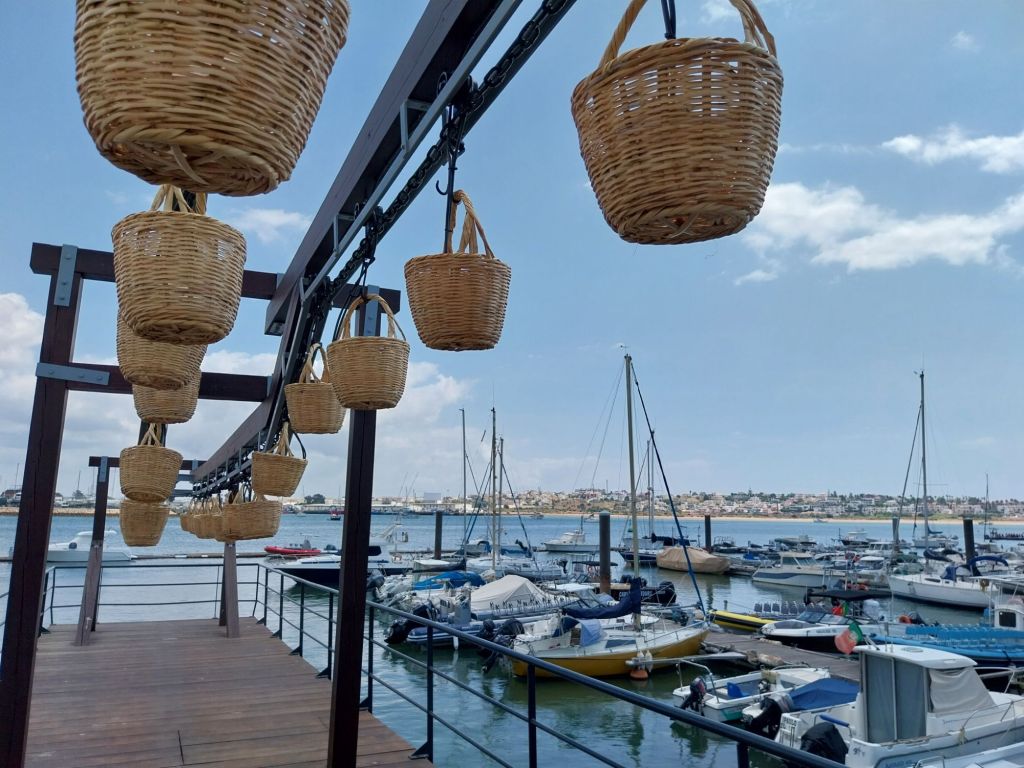
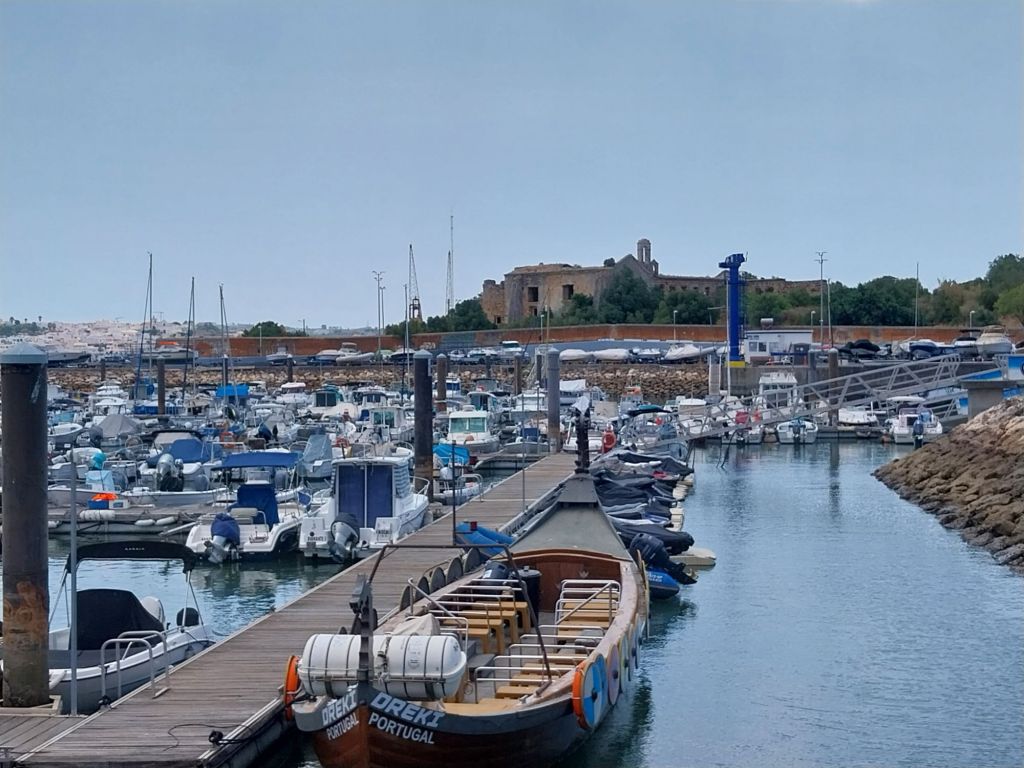
Today, the former sardine cannery has been turned into a museum charting Portimao’s story. Just outside, a jetty with decorative fish baskets connected to a chain rail gives you an idea of how important this trade was.
Just across the harbour is another piece of history – the remains of the San Francisco Convent. Monastic orders were banned by Portugal’s liberal Government in 1834 at the end of the Civil War. Over 500 monastaries closed, with the idea of redistributing the sites to local landowners. But few could afford it and so the buildings, like this one, are now left as ruins – and ones that can’t be accessed by the public. You can just see the remains above the harbour here.
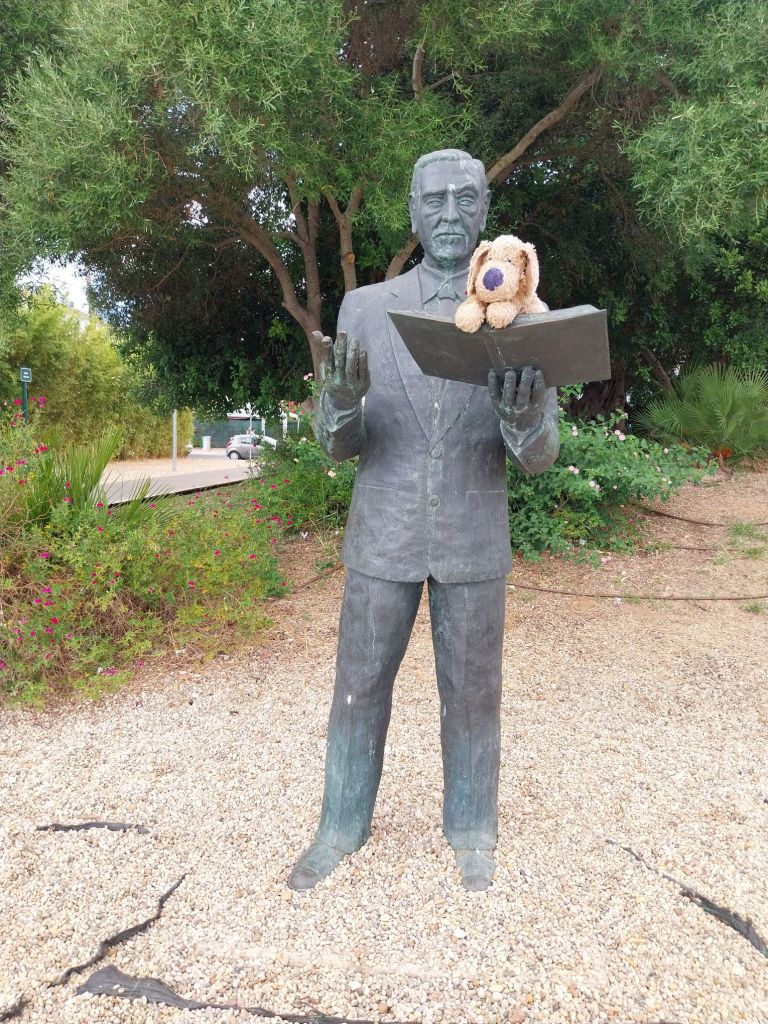
As a travel blogger, it’s always interesting to learn of other writers associated with the places I visit. Joao Braz may not be well known outside Portugal, but he’s one of the country’s most celebrated poets. He died in Portimao in 1993 after a career that included many collaborations with local newspapers, and today there’s a statue of him on the waterfront.
Most visitors here centre their days around the beach at Praia da Rocha, leaving the arguably nicer part of town somewhat abandoned, at least during the day. It’s early afternoon in August, yet many of the shops appear deserted. But that’s part of the charm; finding locations that aren’t as busy as they should be – giving you more space to admire the place.
TravelCaster Tips
Getting here : Potimao is around 30km East of Lagos in the South of Portugal. Several trains run per day from both Lagos and Faro – the 2026 timetable is here. A return ticket form Lagos costs less than €6.
Orientation : Portimao town centre is a 25 minute walk from the train station – head towards the road bridge from the main thoroughfare and turn right just before the road bridge. The Number 30 local bus will also take you to the centre for €1.70 (cash only)
Public Transport : Local buses are available and run throughout the day. This unofficial website has lots iof useful information.
Food and drink : Like everywhere in the Algarve, you will find a wide selection of restaurants and bars to suit every taste. Seafood is naturally a speciality here – a main course with beer or wine is around €20-30. You can enjoy very cheap drinks and snacks at smaller cafes.


Leave a Reply