
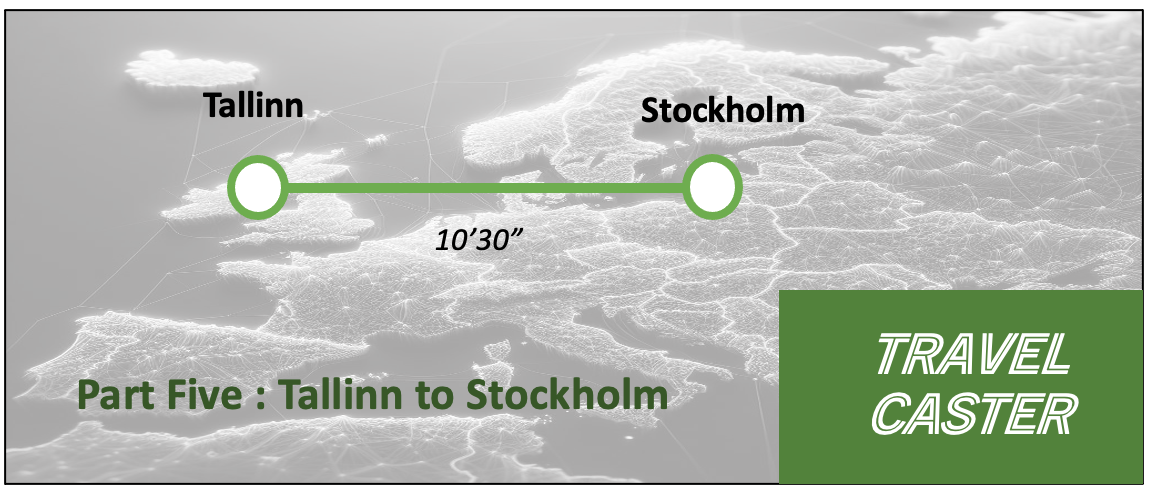
It’s Easter Day in Tallinn, and my hotel sensibly extends its breakfast hours until 11am. The restaurant is packed with visitors, including some very hungover young men and a couple of families with unruly children. I like to think of myself as a traveller, but an upmarket hotel on a holiday weekend just makes me another tourist.
Bells are ringing from the Church of St Peter and St Paul, but this is not ordinary Sunday service.
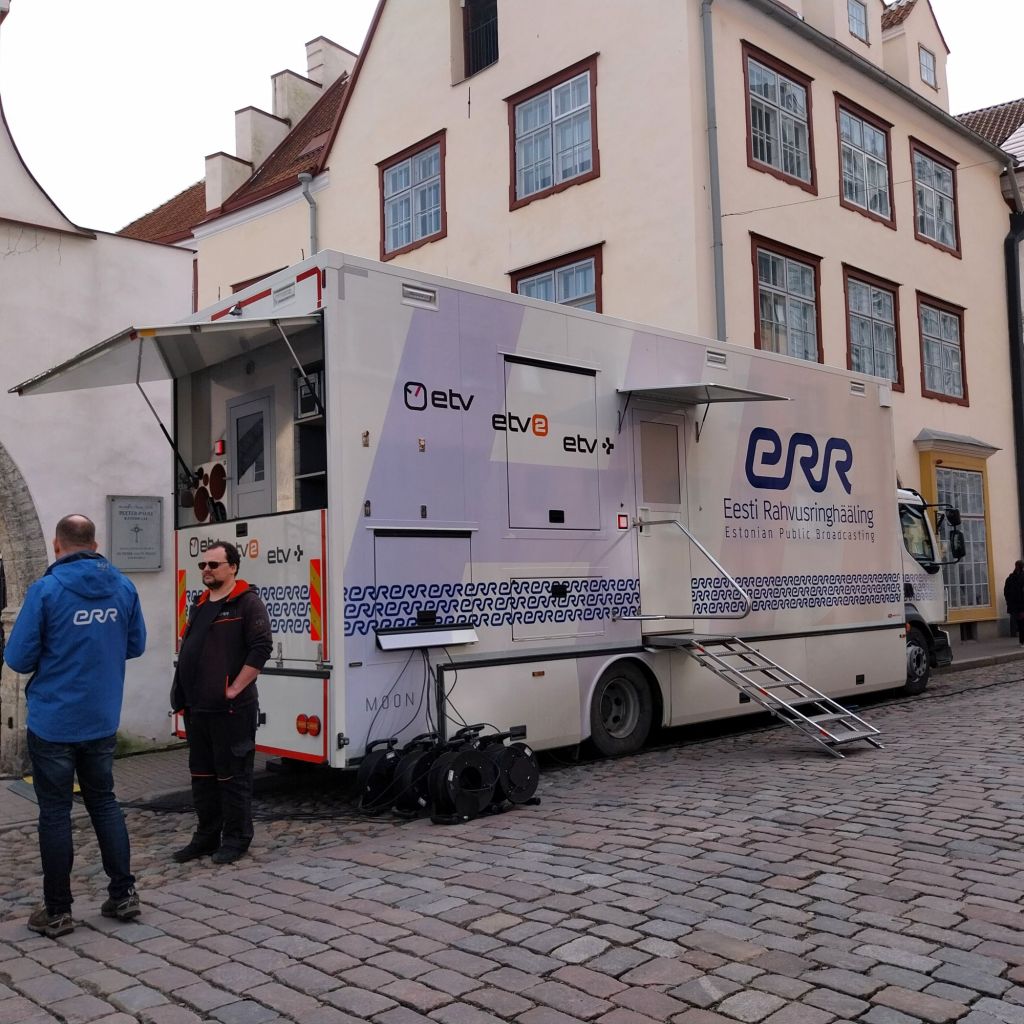
Estonian national broadcasting is televising the proceedings. And never one to miss up the opportunity of an outside broadcast, I take a look inside. This is very much a Catholic Church, and even though I don’t understand the language the structure and rituals are exactly the same. The patient camera operators do their best to ignore several latecomers, and those who choose to leave early.
And so to the next form of transport on this trip. I’m taking the overnight ferry to Stockholm in Sweden. By coincidence I met a couple in the pub last night who used to work on board the ship. “Oh, you have an A Class cabin – very sensible. But you must play the bingo – it’s so entertaining“. I was about to find out what that meant.
Check in was extremely easy as a foot passenger, and the cabin was indeed a sensible choice, with a decent bed, a sofa and a view.
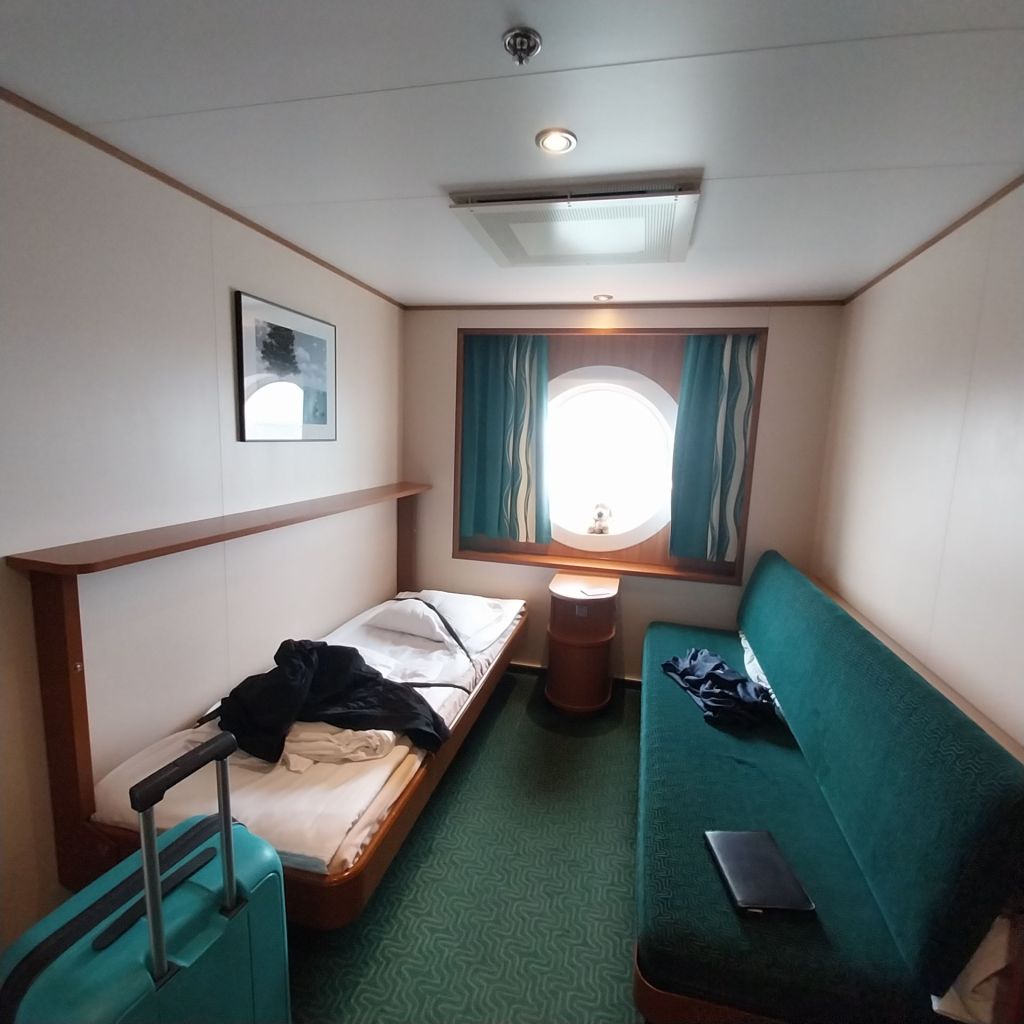
I learned just how sensible tha cabin was when I ventured out. Built in 2008, the Baltic Queen was designed as a cruise ship, a place of leisure and pleasure. There was rather less of either when I walked down one corridor into a ball pit full of screaming kids. Things didn’t get much better when I descended to the next deck down to find the cafe full of someone else’s screaming kids.
Thankfully there was more in the way of adult entertainment on board, though the standard of this was somewhat mixed. In the Sea Pub, a pub singer performed to an audience of eight people, four of which were the bar tenders. There was better quality on offer in the Piano Bar, where a lady crooned while a rather god jazz pianist accompanied. Tim then for a lovely drink. Then I realised we were heading for Sweden.
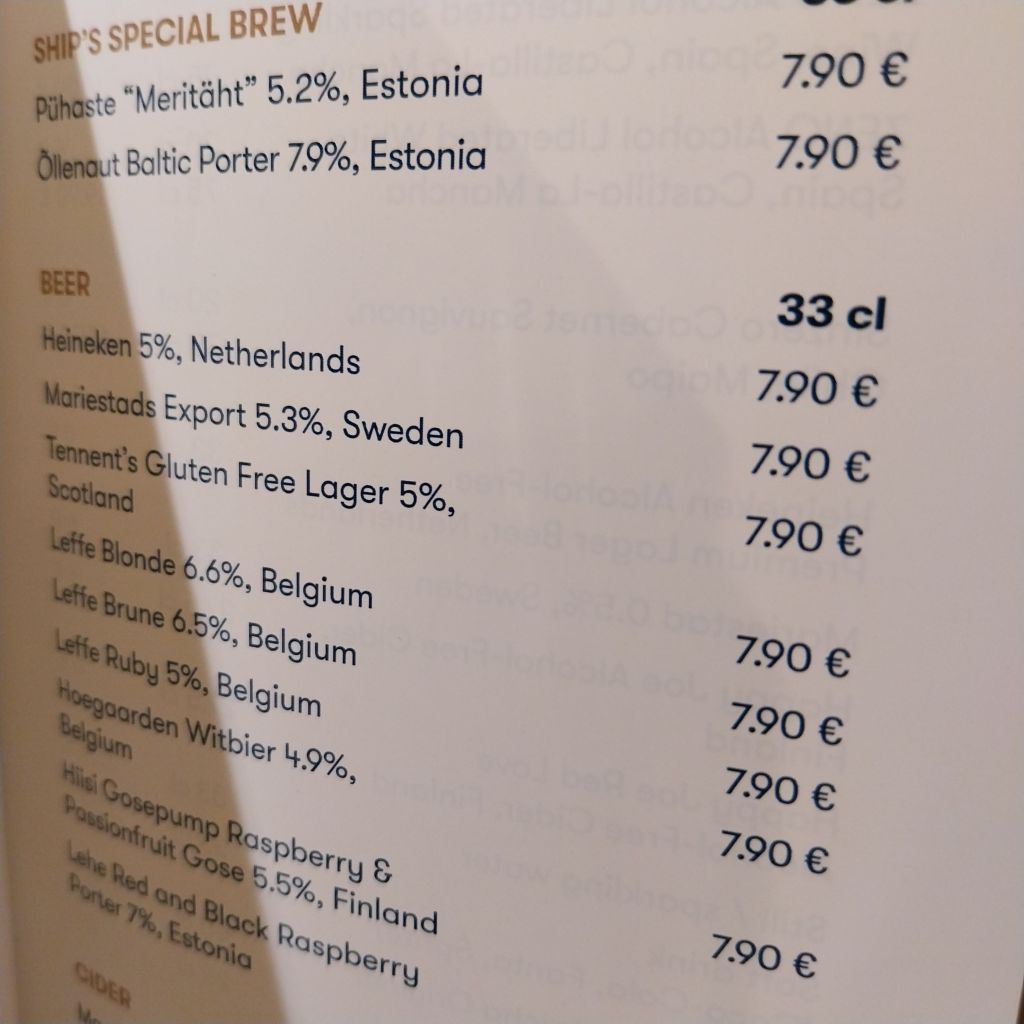
Friends commented that these prices were cheap by Scandinavian standards. They were allegedly tax free, which made me wonder exactly how much the taxes would be once we arrived. Helpfully my ticke included two promotional drinks – a beer and a sparkling wine, each for just under 4 Euro. I’d missed the bingo, but was in ime to soak up a show at the Starliight Lounge.
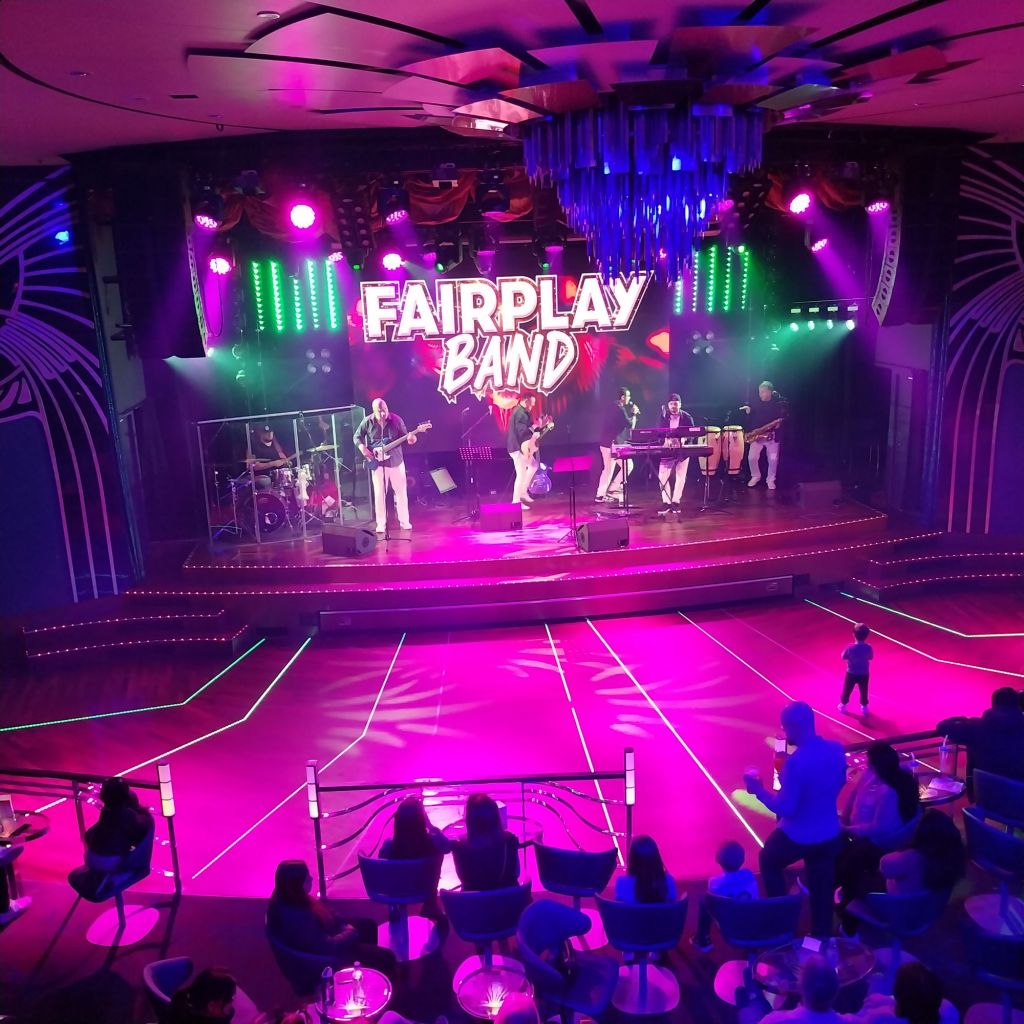
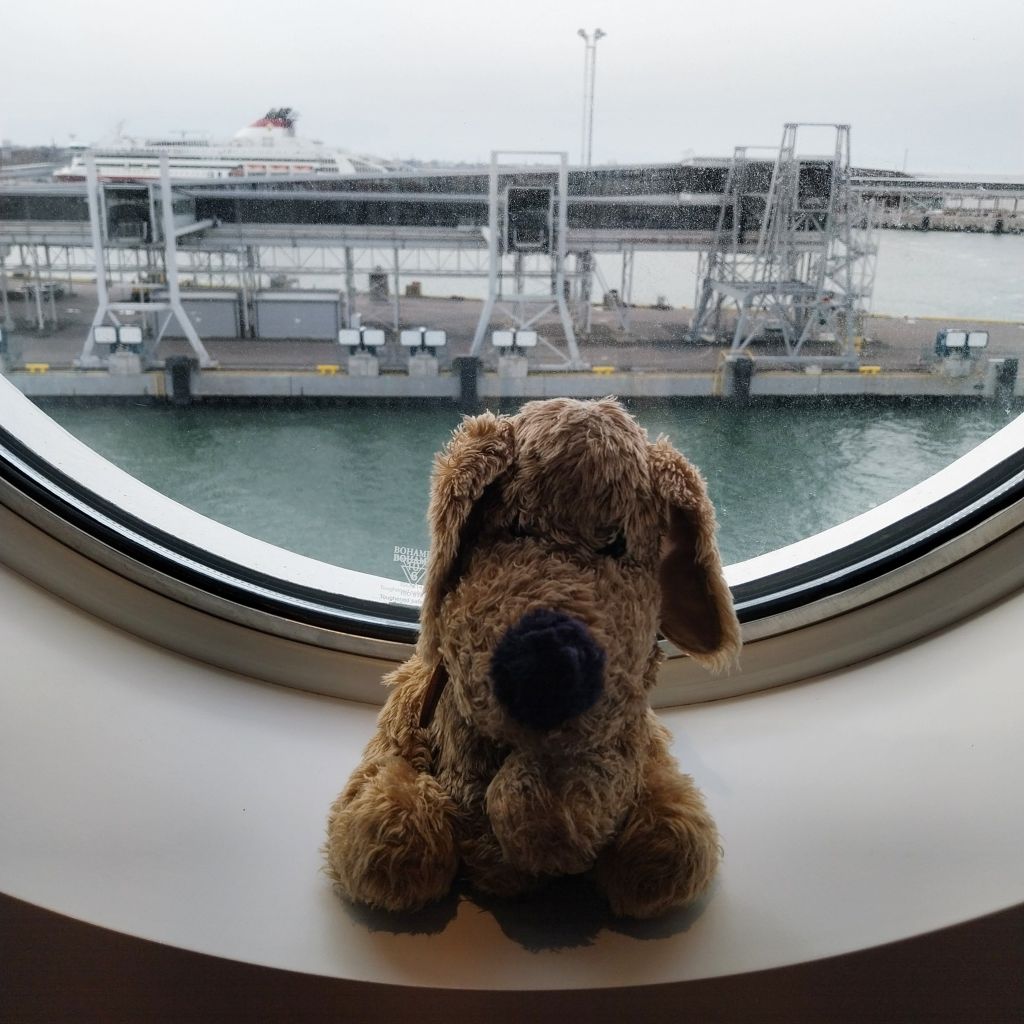
In fairness, Fairplay were not the worst performers of the evening. But this was not a luxury cruise, it was just part of the trip. The “sensible” cabin was reasonably soundproofed, and many decks away from the Ibiza Disco on the top of the ship, which I didn’t visit. As for NewsMutt, he thought he was Leonardo Di Caprio.
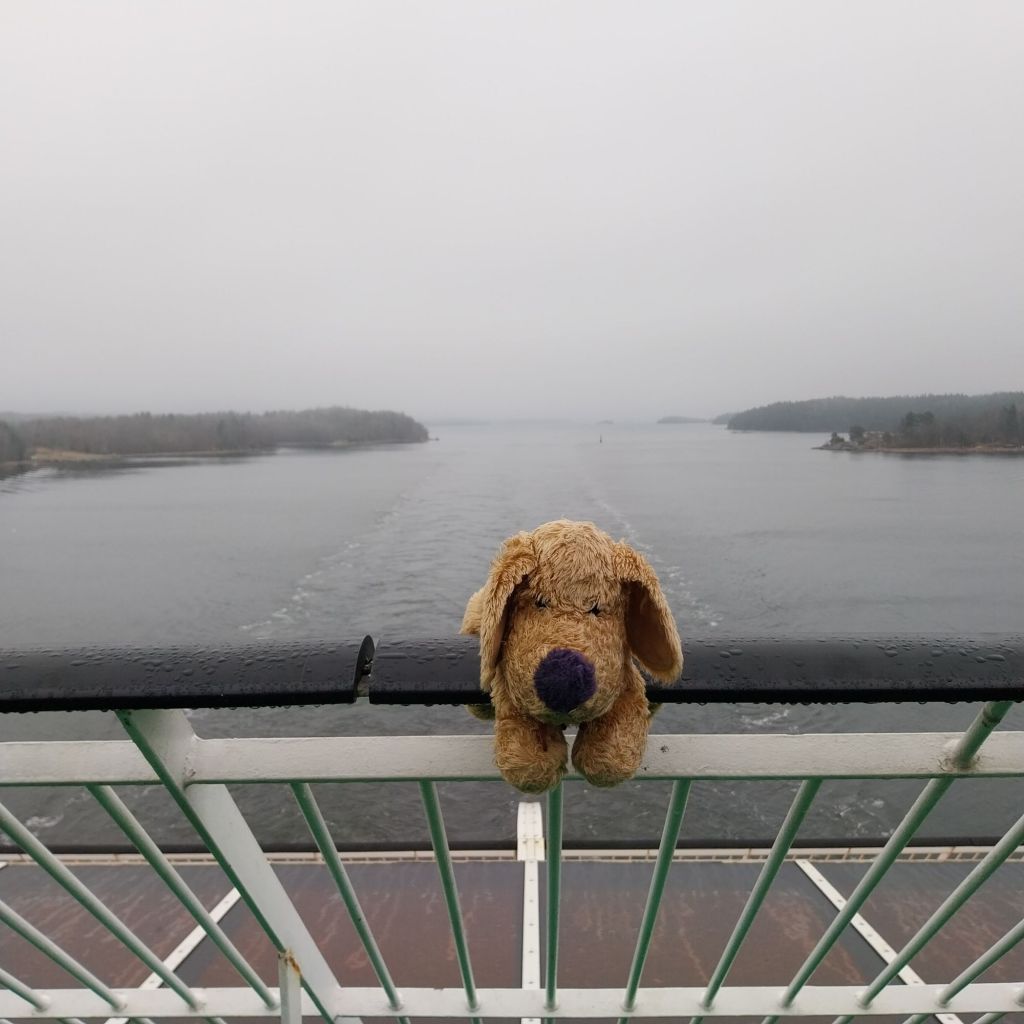
24 Hours in Stockholm
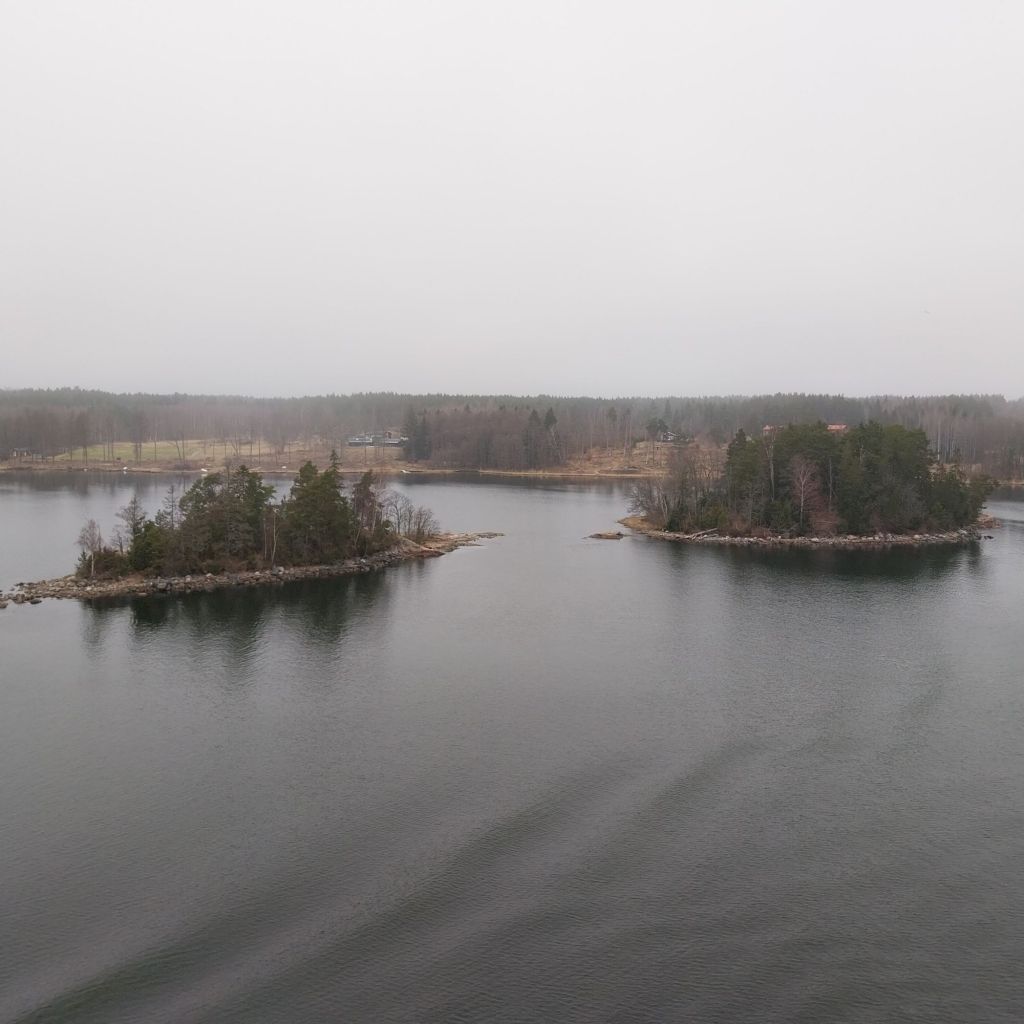
Fog had replaced sunrise as we made our way up towards Stockholm, which was a shame, because this route takes in a pretty set of Swedish islands on either side, narrowing the channel up to the capital. You could easily imagine well to do families enjoying their summer houses here.
I’d studied a map before we disembarked, which looked as if public transport into the city centre was going to be challenging. But then I simply followed the rest of the foot passengers heading for the Tunnelbana – the Metro. It was quite a walk – just over a kilometre – but most of it through covered walkways above the port. Optimistic taxi drivers waited, but those in the know carried on the few final steps to Gardet station.
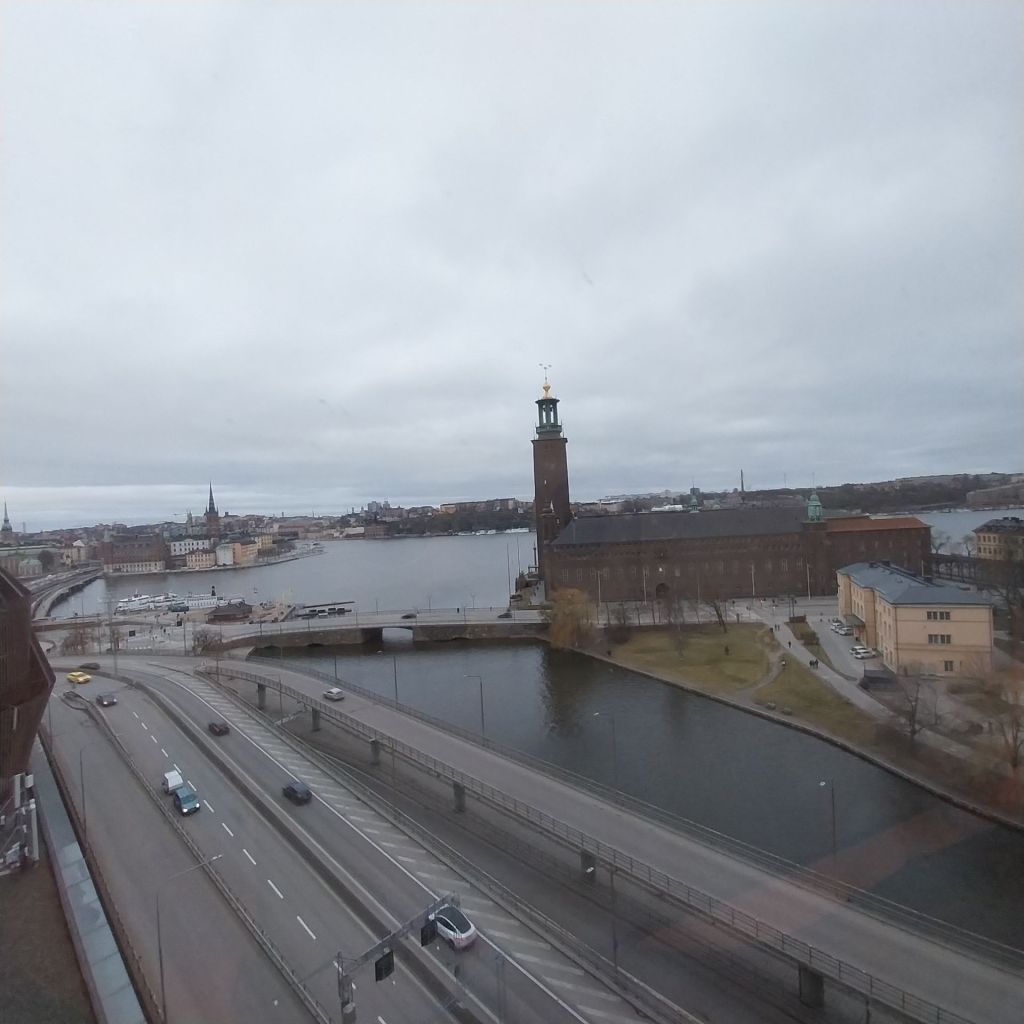
I’d decided to once again upgrade my stay in Stockholm by booking a room with a view at the Radisson Waterfront. This being April 1st, my self checked in key didn’t work, so the receptionist issued a new one. This didn’t work either, so the cleaner let me in. However, that wasn’t going to be much use later in the evening. Eventually a maintenance man called Linus arrived, dismantling the electronic key lock. “Oh I know exactly what the proble is. The clocks went forward this weekend but someone forgot to tell the locks. It thinks you are too early to be allowed in.” Still, it was worth the short wait, with a spectacular view towards Stockholm City Hall (and the main road.
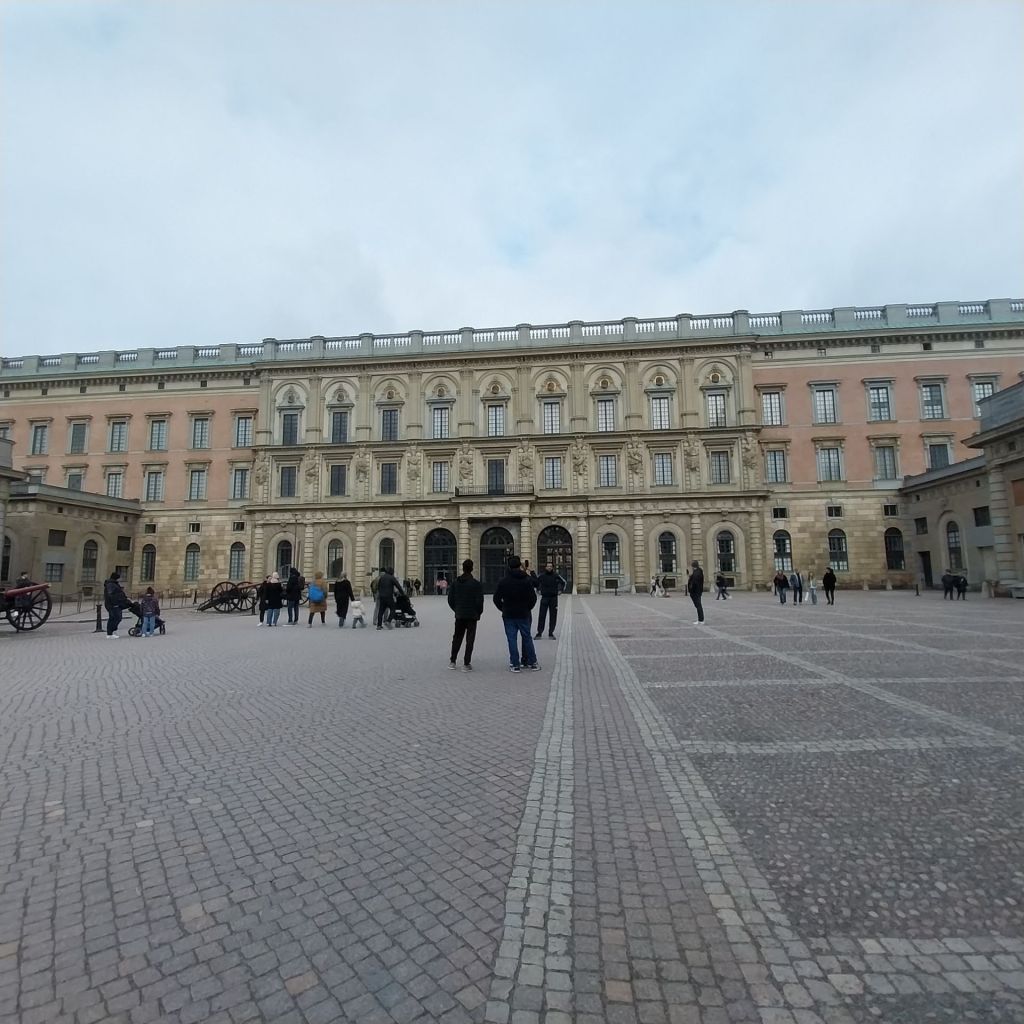
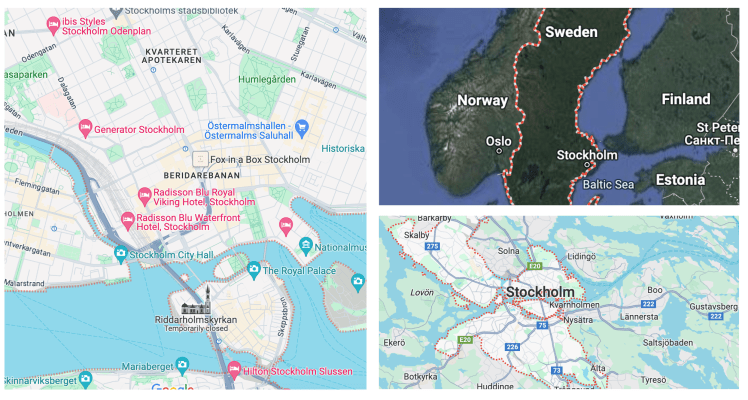
Stockholm is built on a serious of interconnected islands. The Old Town – or Gamla Stan – is just one metro stop away from the city centre. The highlight for mist visitors is the Royal Palace. Built to replace an earlier castle on the same site, it was completed in 1760 – some 63 years after building work had beguin. It’s still the home to the King and Queen of Sweden.
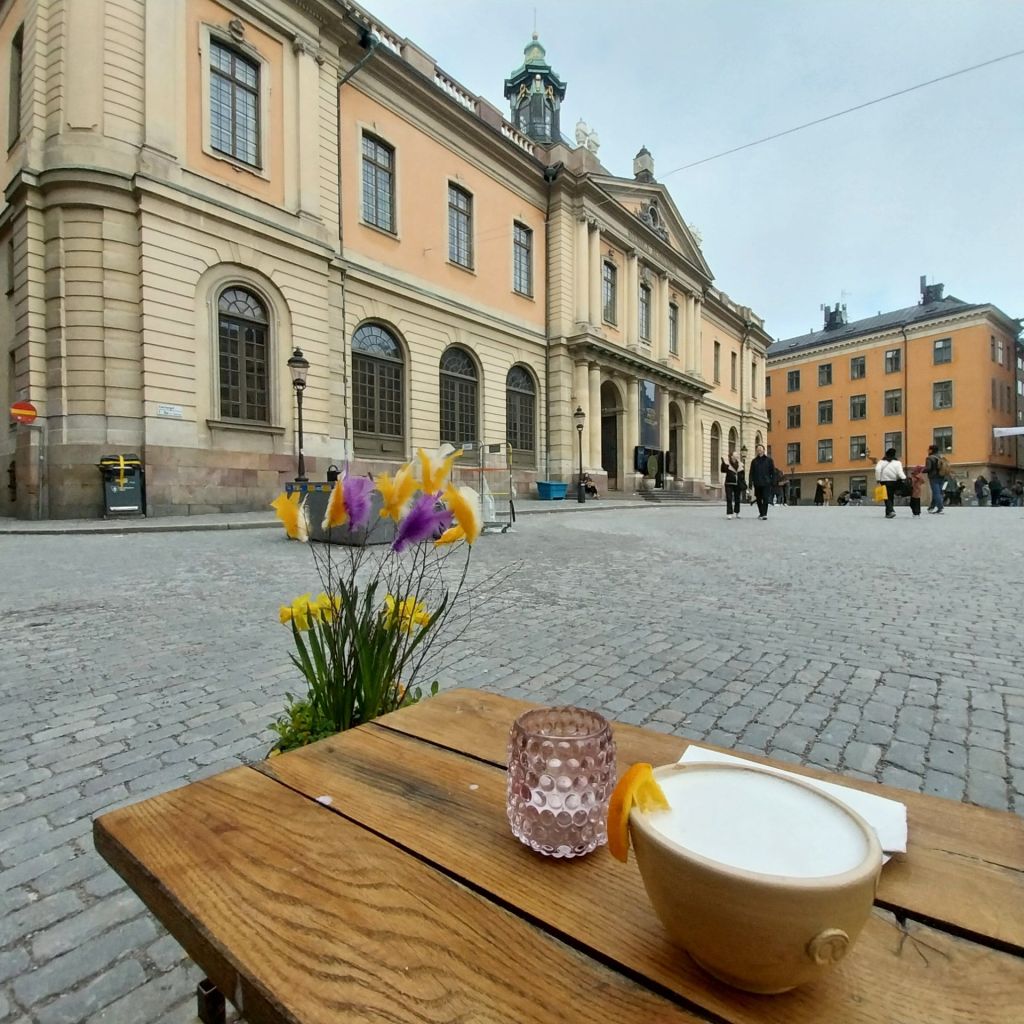
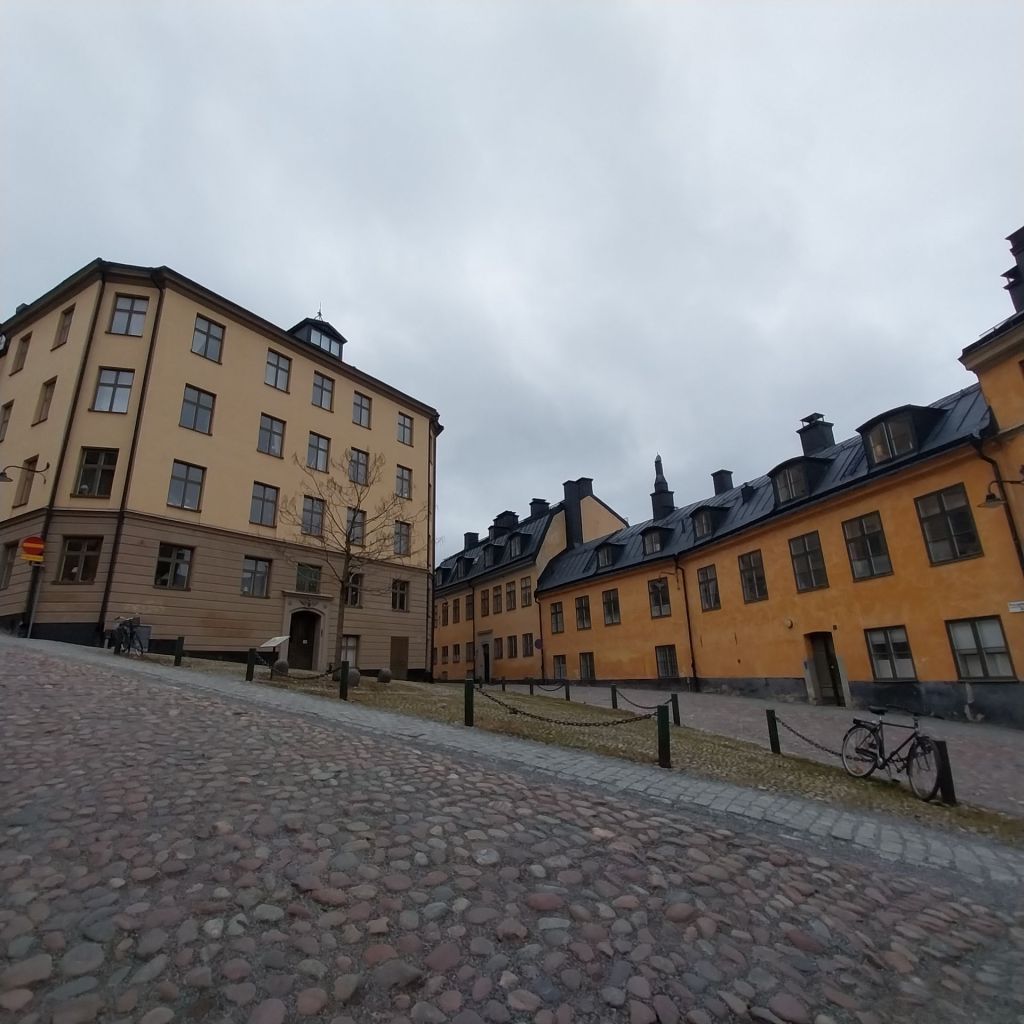
Unlike many of the other Old Towns I’ve visited on this trip, Stockholm’s has a few more steep climbs, which could be perilous during the icy winters. But the weather today is dry and cold, a perfect time to take in the sights. At nearby Stortoget (the main Town Square) stands the Nobel Prize Museum. Alfred Nobel – the man who invented dynamite – died in 1896, and bequeathed much of his will to establishing a foundation that would hand out prizes. But it hasn’t been without controversy; Henry Kissinger’s nomination for the Peace Prize in 1973 (along with the leader of North Vietman, Le Duc Tho) led to resignations from the Nobel Committee. Yassar Arafat’s nomination provoked similar reaction.
But travel needn’t be all about history. You can enjoy a sandwich – or an excellent white hot chocolate – at the nearby Kaffekoppen – which provides the perfect place for people watching.
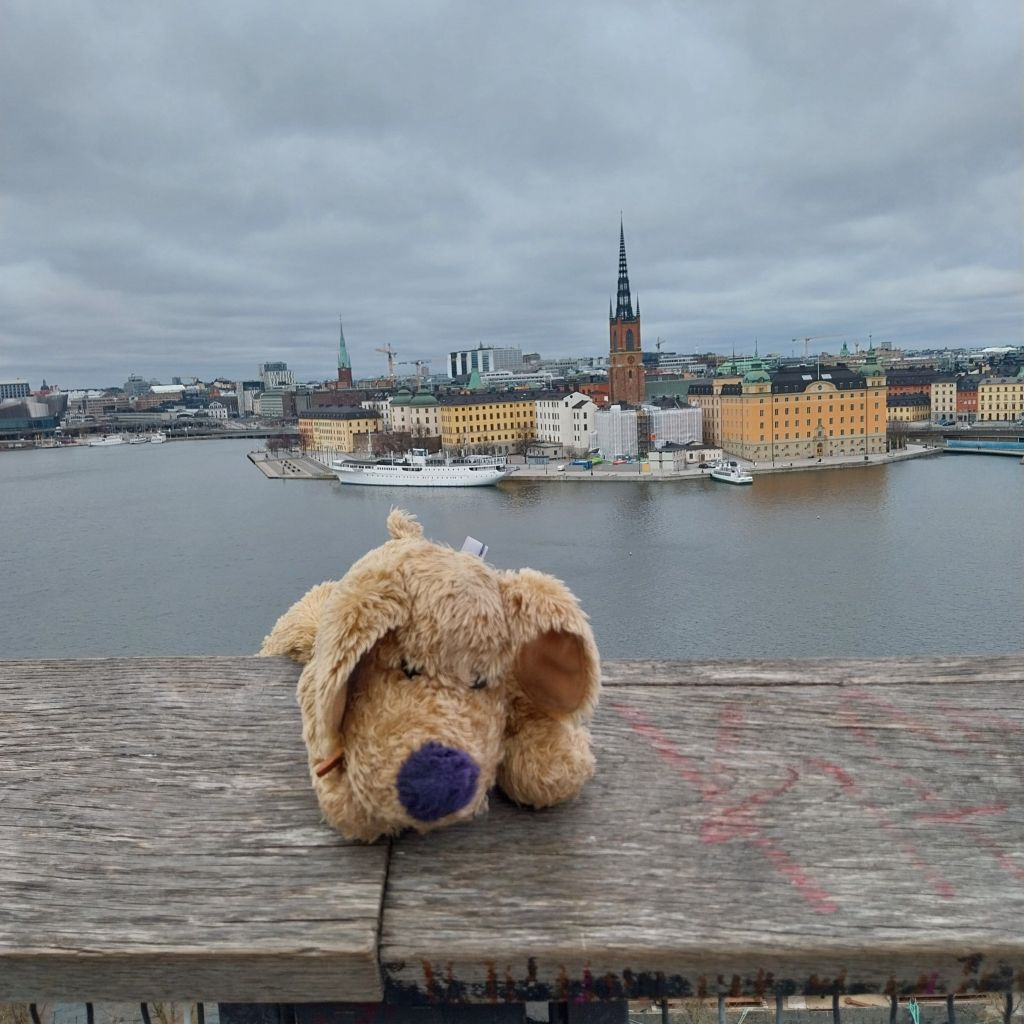
If you want a wider view, head across to the neighbouring island of Sodermalm – a neighbourhood full of historic buildings, shops and restaurants. It’s also home to the Mariaberget area, which has some of the oldest homes in the city and an observation deck to see how the rest of the place is laid out.
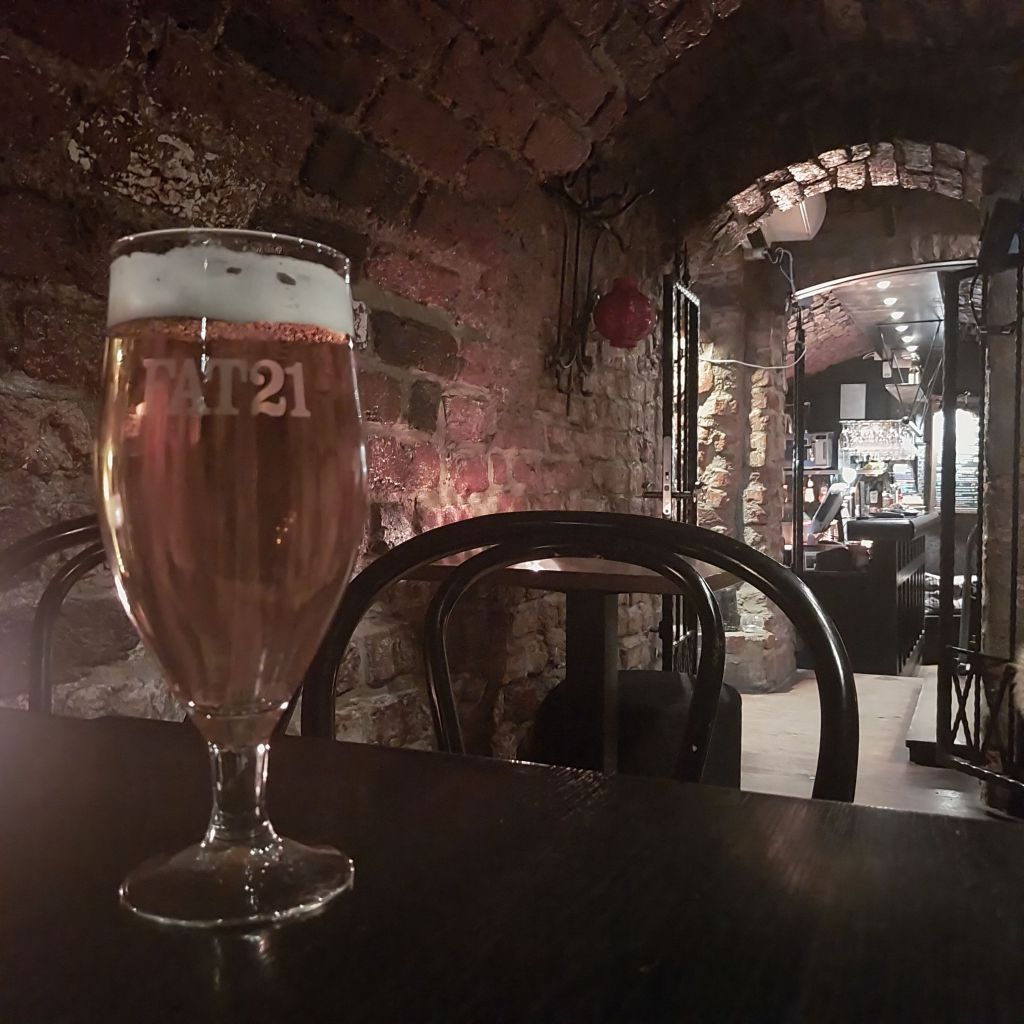
I had been bracing myself for high prices in Scandinavia, so I was surprised – and relieved – to discover a pint of the local beer for less than 4 Euro (49 Swedish Krone) at The International Bar in the Old Town. This place has two venues in Stockholm and at first I optimistically asked the bar tender if these were happy hour prices, which I’m told are common in many places for after work drinks. But no, this was the price all night! I was tempted to stay but thought it rude to only sample one bar.
This turned out to be a costly move. At Under Misteln – no website but a lovely hidden bar on the corner of the Old Town square – a beer came in at 8 Euro. But it was worth it for the atmosphere of a venue in a cosy, warm cellar with friendly staff. Unfortunately they were closing early for the Easter Bank Holiday – as, it seemed, were many places nearby.
Grey skies the next morning and a windchill of about -5 Celsius meant only one thing – snow. So it seemed like a good idea to get indoors. Djugarden island is home to many of Stokcholm’s museums. During the warmer weather the Skansa open air museum is one of the most popular, while arguably the most impressive is the Vasa Museum, which houses the salvaged 17th century warship, complete with its 64 guns – along with a replica of the whole thing in Lego. But my time is limited this morning as I have a train to catch later. So there’s only one place to check out.
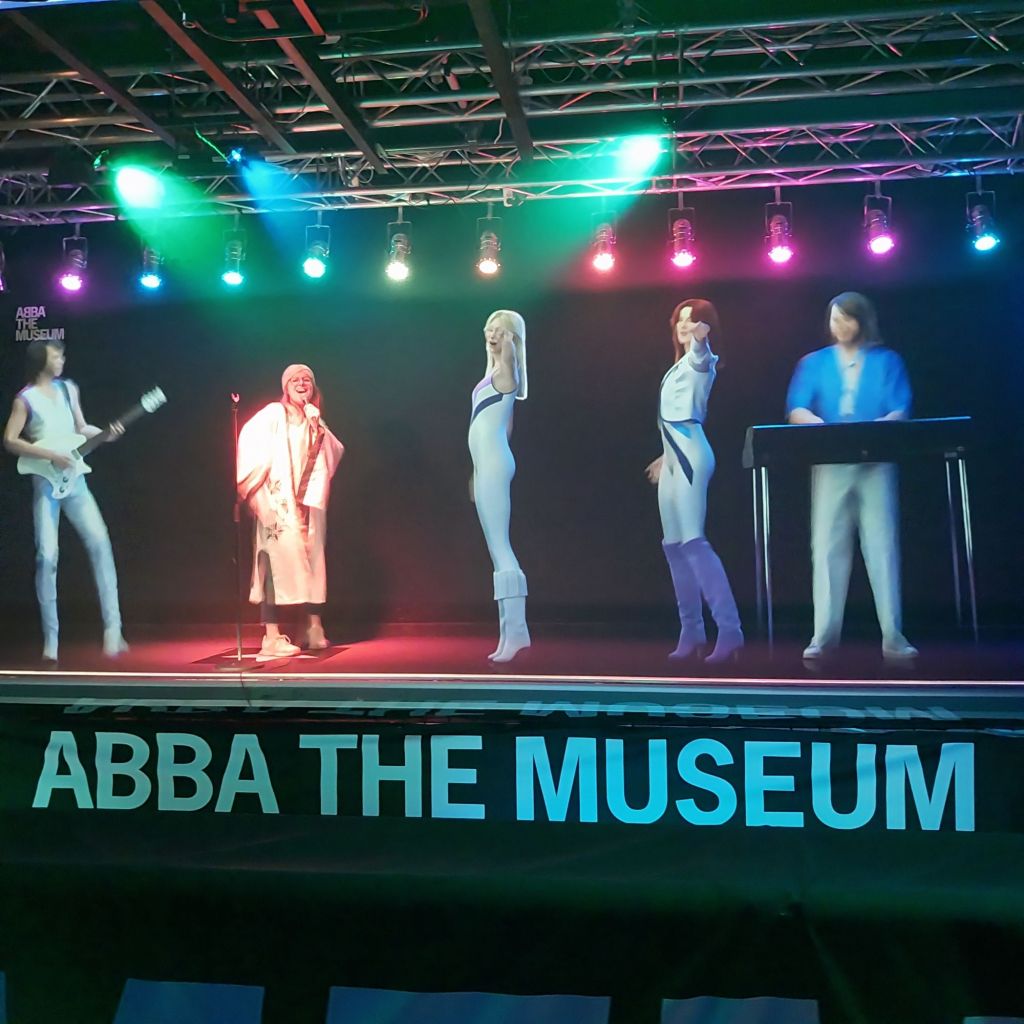
Strangely, the tour starts in the present day, with the story behind the virtual Abba show which is on in London. But the museum is an impressive, full on history of the group’s story. There are replicas of key locations, including the famous Polar Studios, and you can even have a go at singing or dancing yourself.
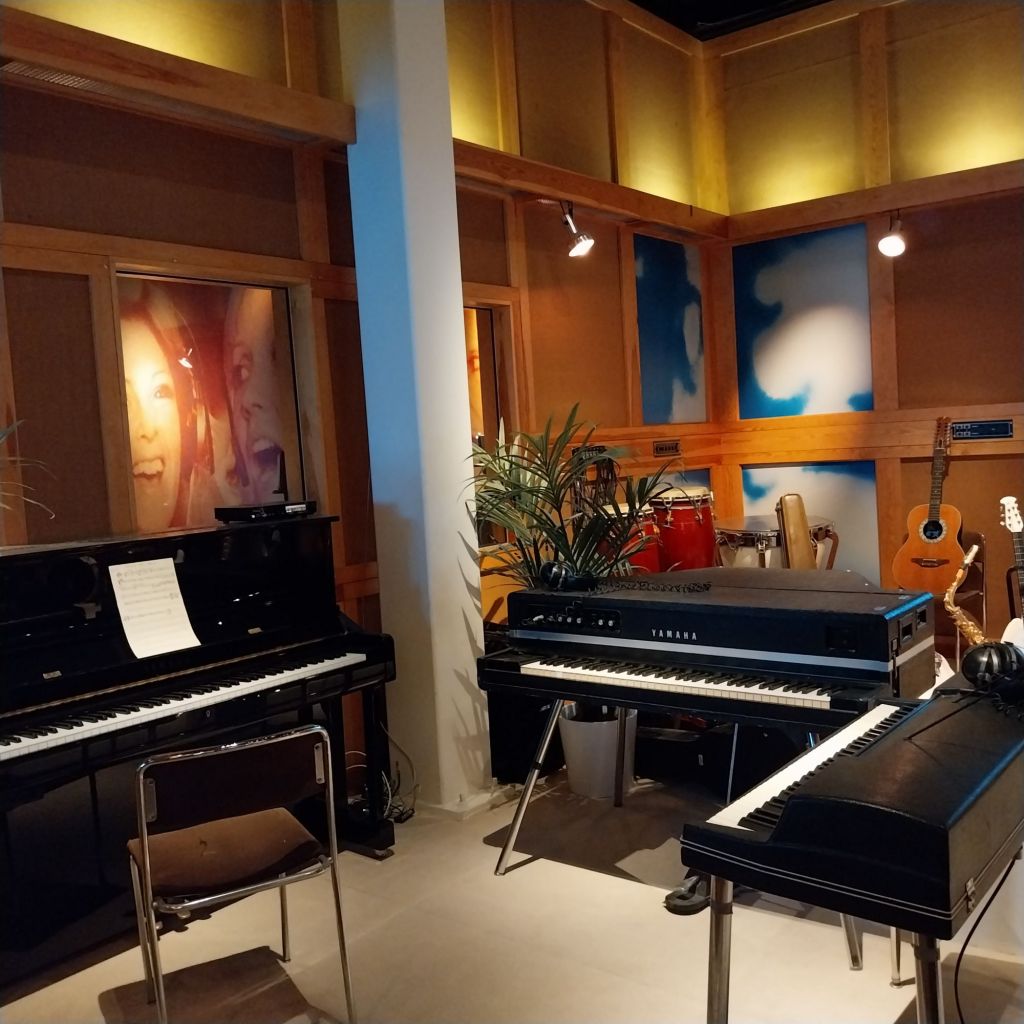
It’s a playful and joyful experience, and has rounded off my 24 hours in Stockholm perfectly. The snow has now turned into an icy sleet blizzard, and it’s time to head due west for the next part of my journey.
Getting here
By ferry : Tallinki Silja Line runs services between Tallin and Stockholm every other day (one going to Stockholm, the next back to Tallinn). At 2024 prices, a Class A Cabin cost about 160 Euro, with 19 Euro more for breakfast. You can do it for less with an inside cabin or (not to be recommended) just crash out on a seat on board the ship. Alternatively Viking Line also runs services between Tallinn and Stockholm.
By rail : As you would expect Stockholm is extremely well connected by train to other cities in Sweden and beyond. The SJ website provides a good enough starting point, but consider using a rail pass to save money.
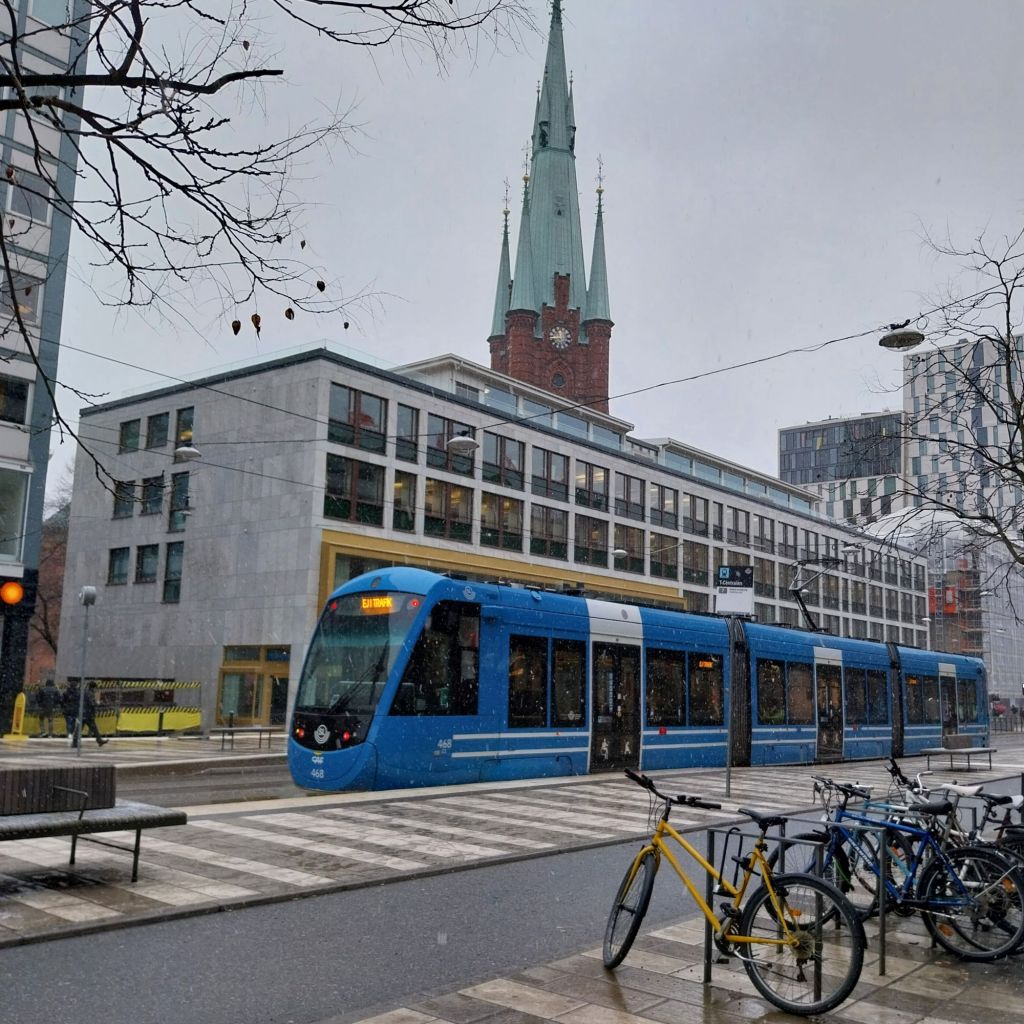
Tip : Within Stockholm, the company SL runs all of the local buses, trains, trams and metro. A 24 hour ticket costs around 16 Euro (2024) prices. You can download the SL app to save time at the ticket office. From the ferry terminal Gardet station is a 1km walk with one uphill section, so if you’re not mobile or the weather is bad, grab a cab instead for about 10 Euro to the city centre.


Leave a Reply