
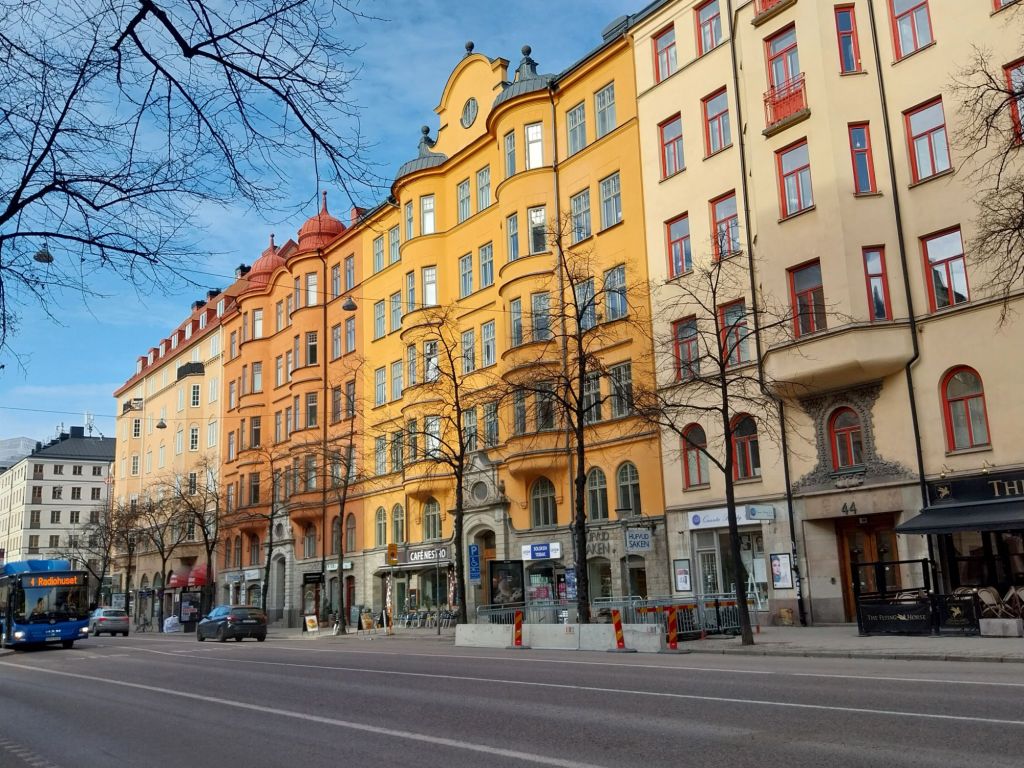
It’s not quite 9am when I leave the Unique Hotel to explore Stockholm. And as this is my second visit, I wanted to avoid the usual tourist traps. The hotel is located in Vasastan, a lively neighbourhood with plenty of character. The main street, Odengaten, has plenty of cafes and bars which I make a note to take a closer look at later. But one building stands out the most.
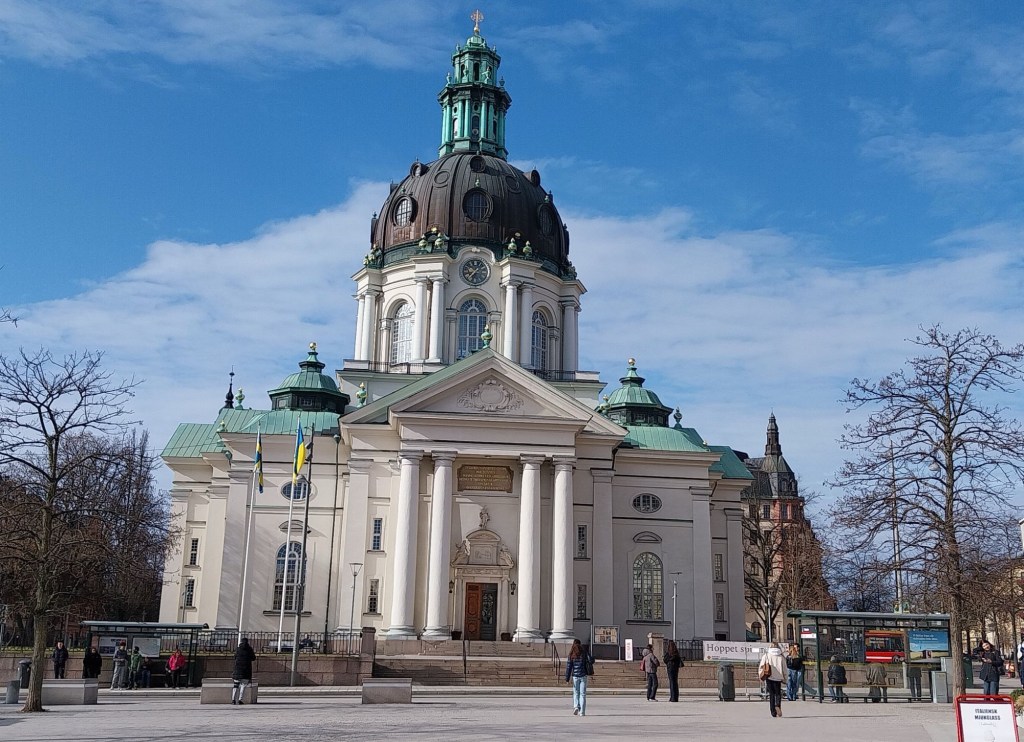
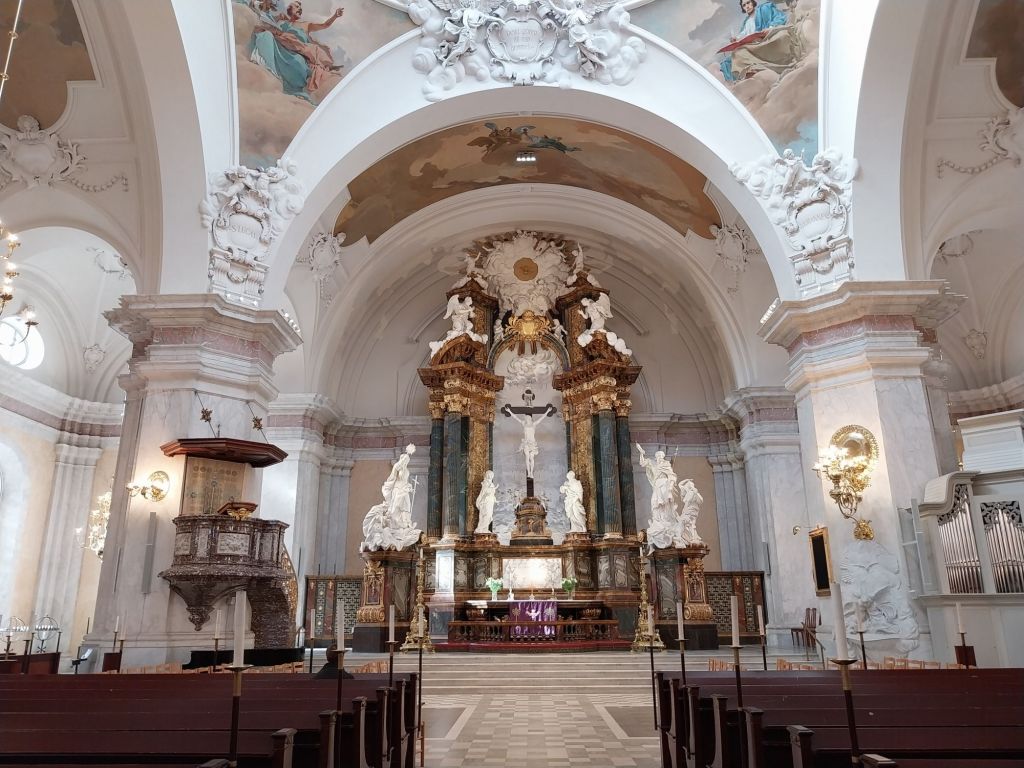
Gustav Vasa kyrka was named after the man who founded modern Sweden. The church is relatively new, having been completed in 1906. It’s elegant and elaborate interior is well worth seeing.
The Vasastan area also features a number of parks, which aren’t especially attractive in late March, but all around are signs of life during the summer, with attractive kiosks, play areas and a space to get away from the busy streets, which also have a confident feel to them.
Without realising it, I’ve walked thousands of steps this morning and have ended up surprinsgly close to the Gamla Stan – Stockholm’s Old Town. And I’ve timed it perfectly for an ancient tradition – the Changing of the Guard at the Royal Palace.
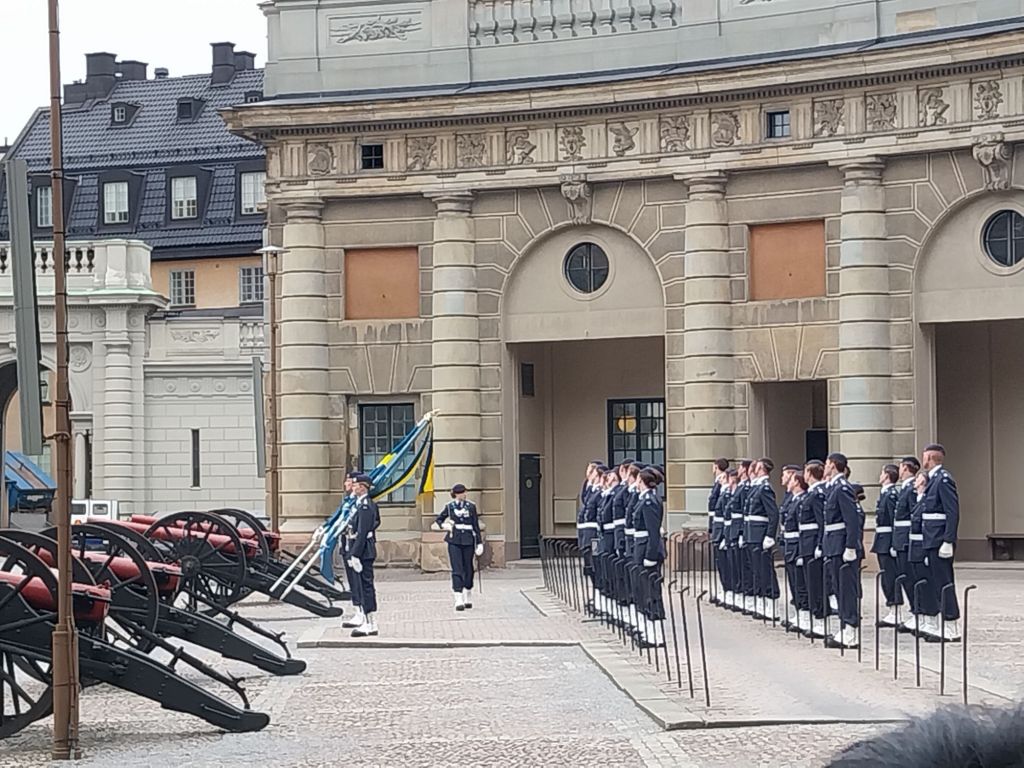
The military personnel providing the guard look very young to be keeping watch over the King and his official residence. It turns out that a form of conscription was reintroduced in Sweden in 2017. In practice, only a few men and women are called up – but the fact it’s happening is a reflection of wider global tensions, not least the war in Ukraine. Sweden doesn’t have a land border with Russia, but there is one in the Baltic Sea – less than 9 kilometres long – separating it from the Russian annexe of Kaliningrad.
As I’m here, I decide to be a real tourist and buy a ticket for the Royal Palace. The €19 fee is good value for money, with entry to the State Apartments, the Treasury and the informative Museum of the Three Crowns, which charts the history of Sweden and the forerunners of today’s Palace.
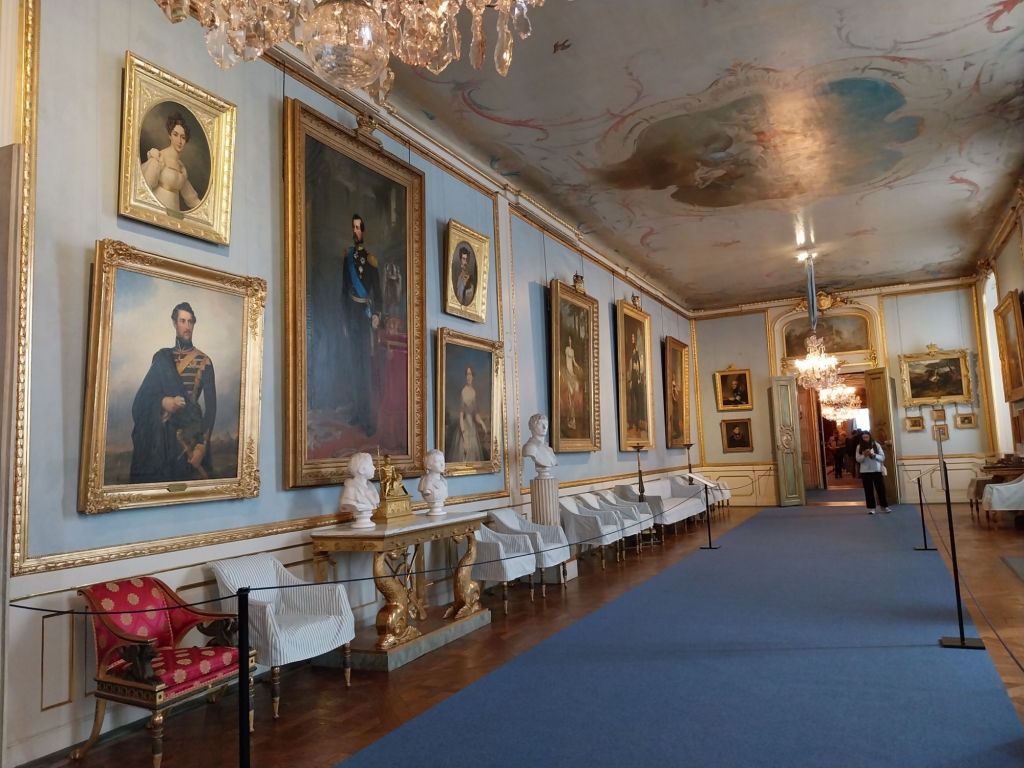
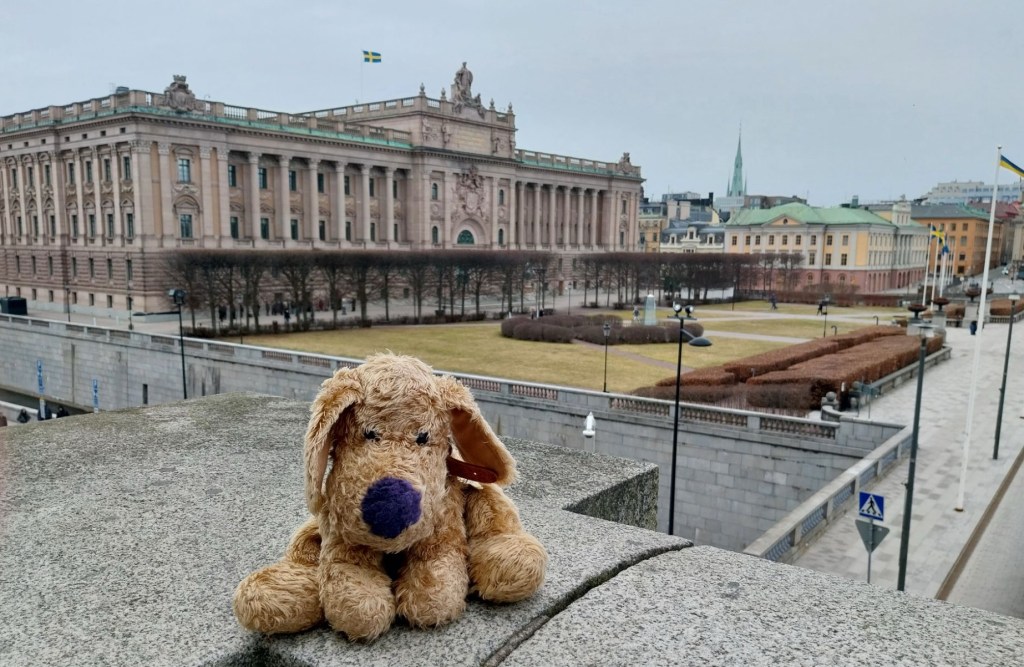
It’s worth noting that this is still a working building; Royal receptions and other functions happen here, so access is sometimes restricted. The Palace ramparts are also a great place to get a better idea of Stockholm’s marine geography. The city is built on a number of islands, and in the summer, the waterfronts turn into huge open air dining areas. I personally prefer it out of season; there are still thousands of tourists here, but the place has a relatively peaceful air to it.
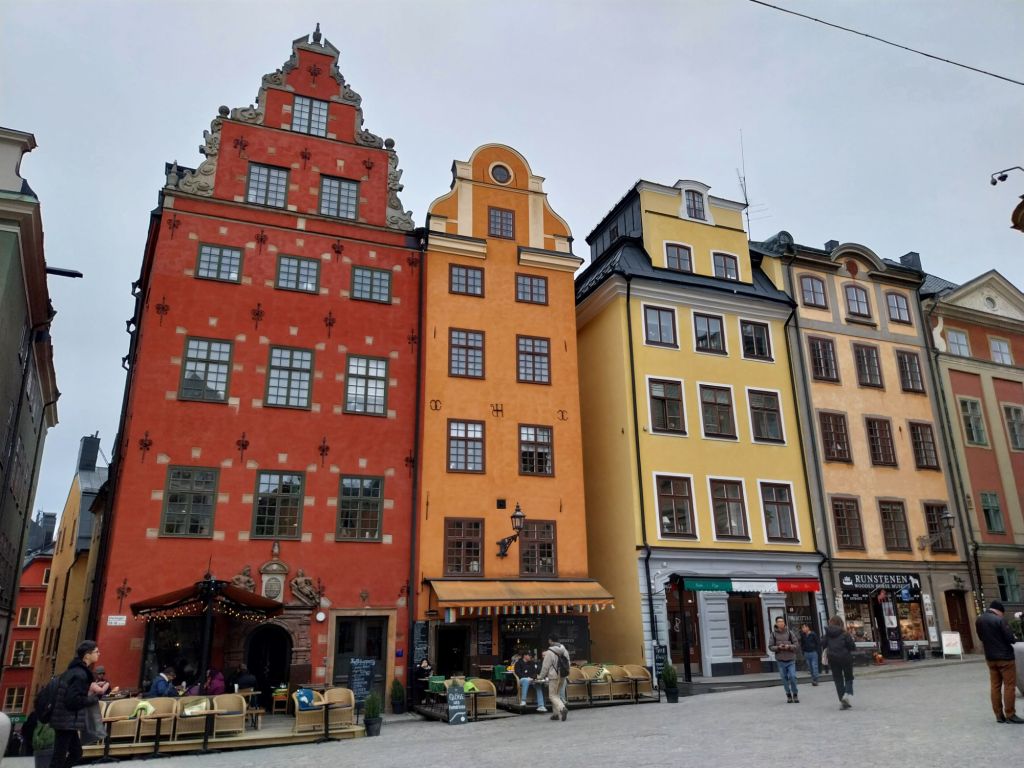
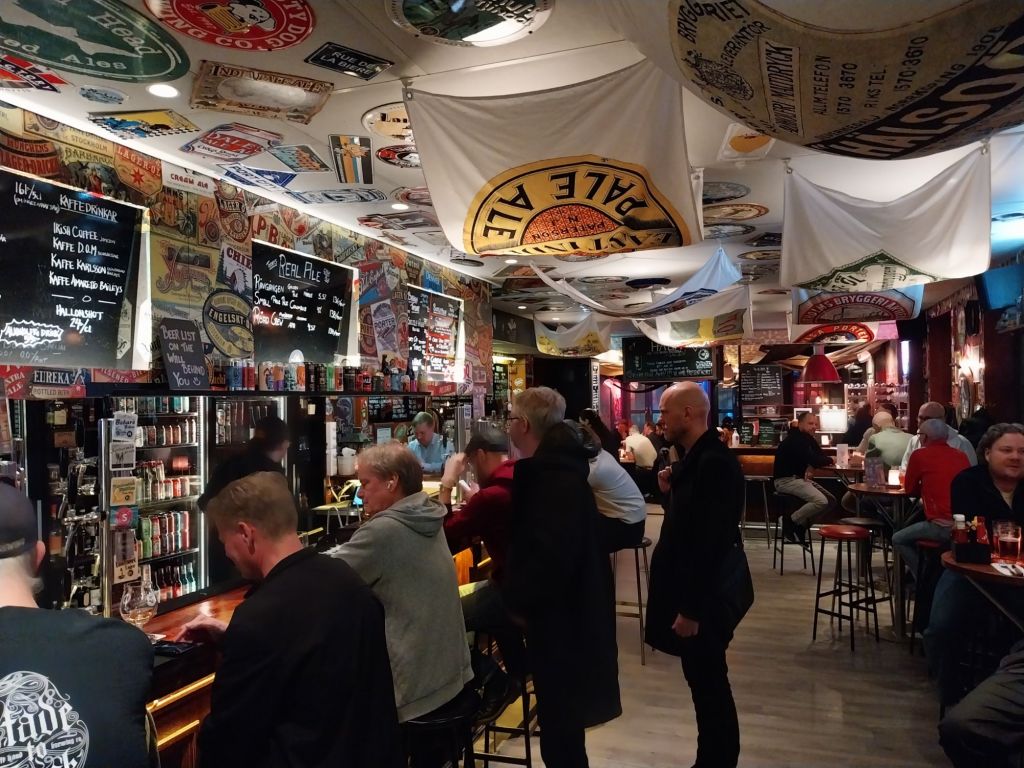
Stockholm by night offers lots of choice. But if you want to get away from the big touristy areas, you could do a lot worse than the Soldermalm district. Immediately south of the Old Town, it lacks elegant buildings and its streets can appear unwelcoming at first. The Oliver Twist pub is a beer lover’s paradise. It also does good food, and has a homely and welcoming feel to it. Even on a Tuesday evening it’s incredibly busy, and although you can queue at the bar, table service is also offered.
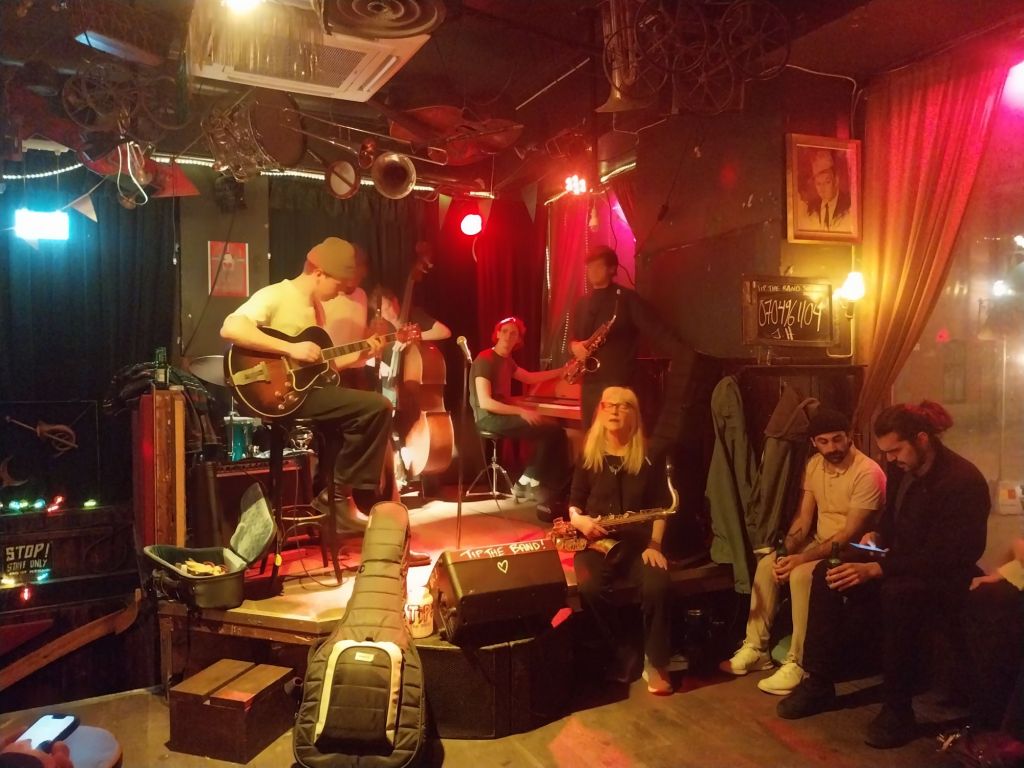
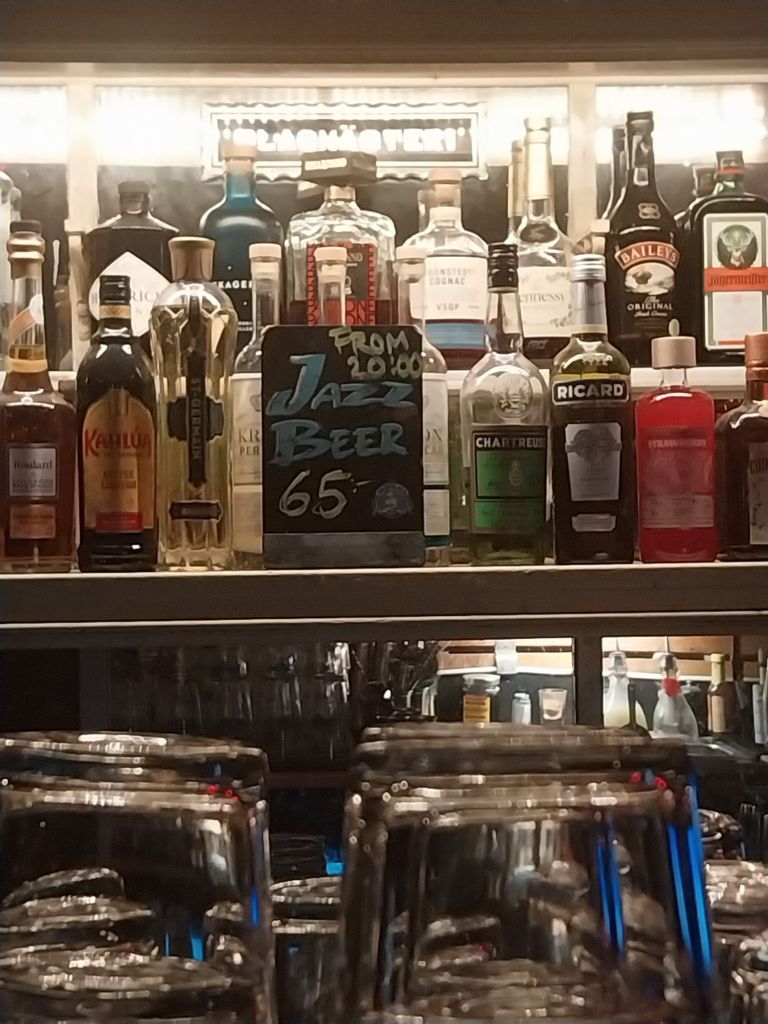
The Old Town does have a few drinking establishments of note. Stampen has live jazz and blues throughout the week, and tonight is jam night, A succession of brilliant musicians take to the stage with some dazzling performances. I’ve seen worse in New Orleans, such is the standard of playing. And specially priced Jazz Beer is also on offer; a welcome nod to the wallet, and a lot cheaper than most of the places around the Old Town.
Wednesday morning and a leisurely breakfast before exploring beyond the city. Stockholm is surrounded by spectacular countryside, forests, lakes and sea inlets – all making it the perfect getaway for many families, who have summer houses and weekend retreats here. Having planned the route to Vaxholm – a town some 18 kilometres from Stockholm, I start to have second thoughts as the bus makes its way through ever heavier rain.
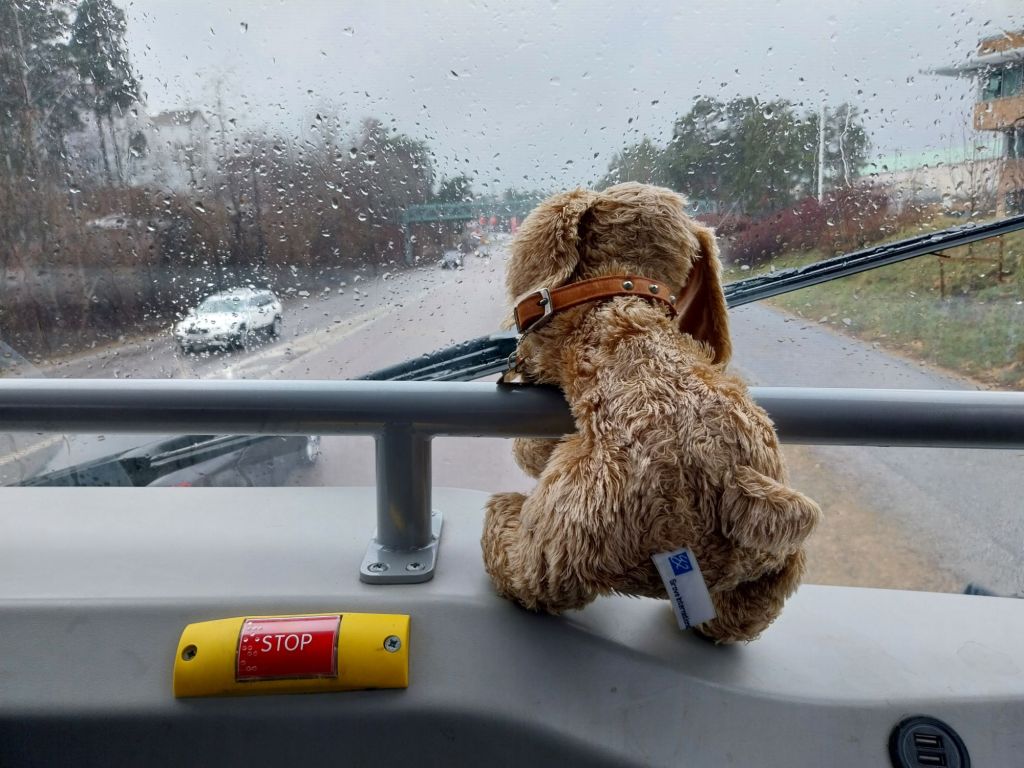
En route we pass commuter suburbs, with evidence of new housing being built all around. There are ugly urban developments with sprawling retail parks, but as we pull off the main road, waterways and woodland take over. Apartment block are replaced by traditional wooden houses, although as we enter Vaxholm there’s also a mix of modern accommodation.
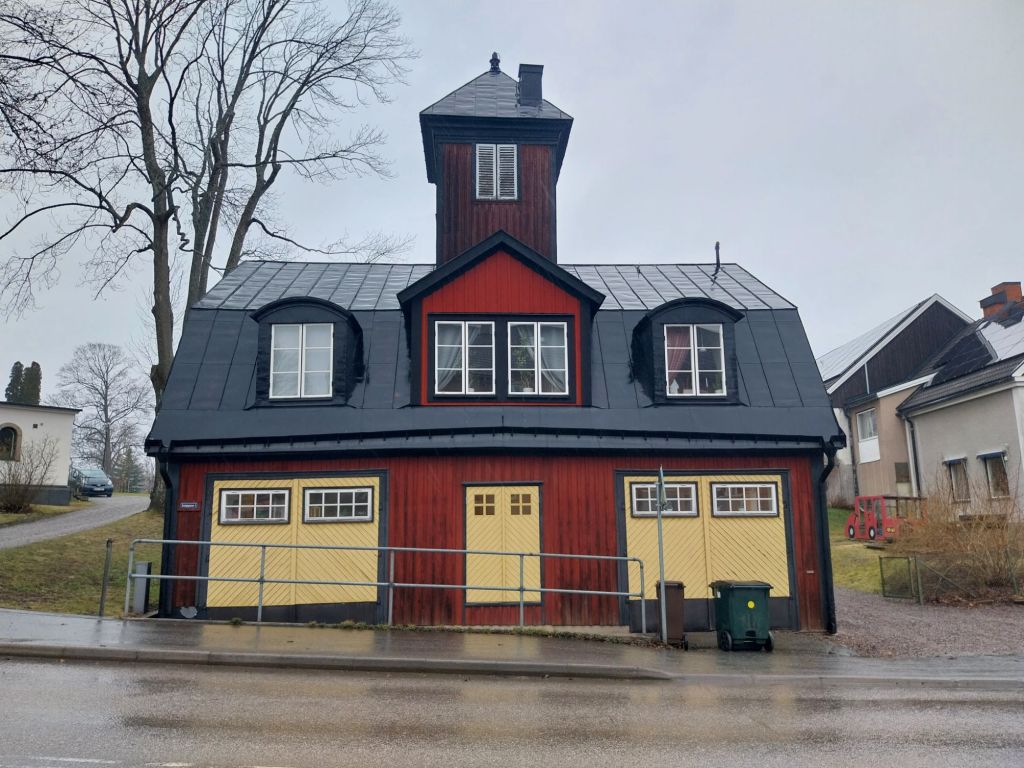
I’ll admit it – I picked the wrong day for this. The rain gets heavier, making the pretty town seem glum. And old fire station – now used as a community centre – seems to be the only thing worth looking at.
Even if it weren’t raining so hard, a walk along the waterfront here is currently impossible. The strand is being improved in what looks to be a two year plan, so the main walkway is full of construction vehicles and concrete debris.
But the improvements only prove how important Vaxholm is. Today, it’ a haven for tourism, but back in the 16th Century, King Gustav inistsed on building a fortress here, to protect the narrow strait of water that gives access to Stockholm itself. The fortress is now a conference centre, on an island that I can’t get to today. However, I can get some of the best fika to be had anywhere around here.
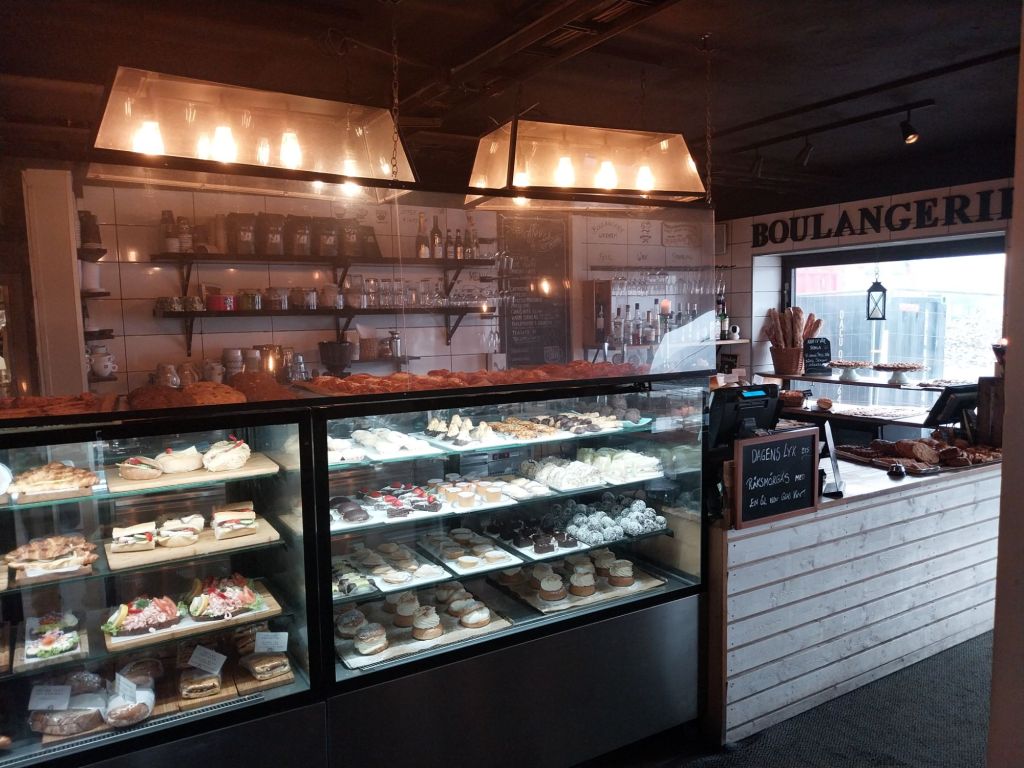
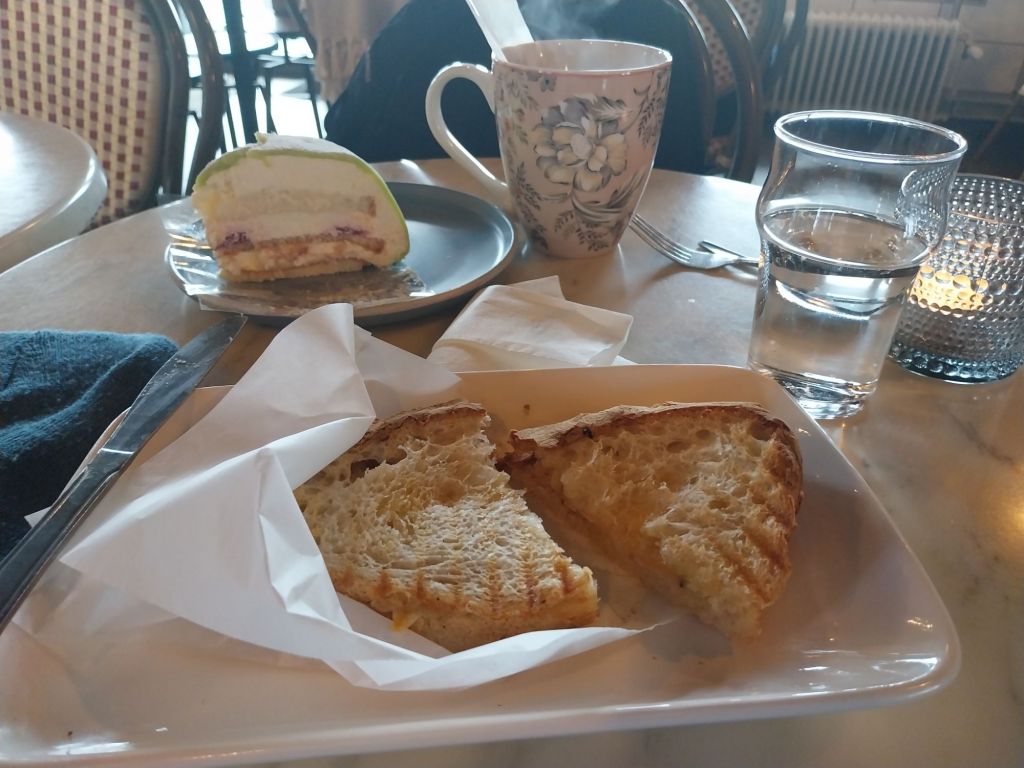
Coffee and a snack is a Swedish daily ritual, and among Vaxholm’s many cafes and restaurants, Boulangerie is arguably the best. A toastie, cake and coffee comes in at a respectable €15. Just the thing for a rainy day.
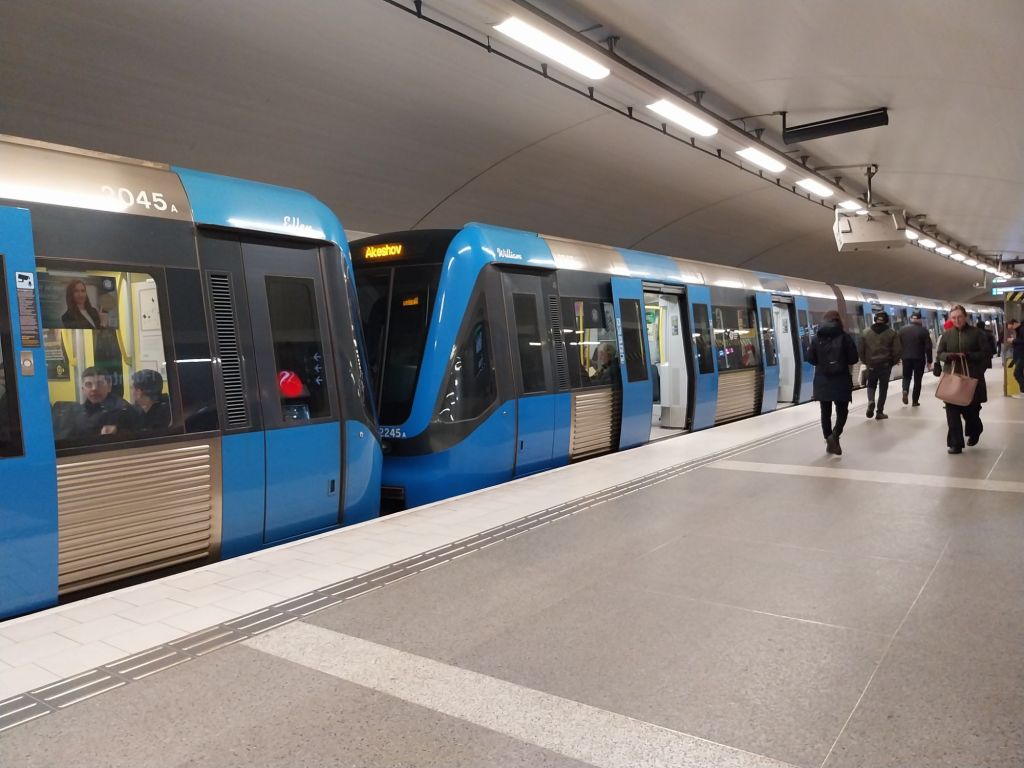
Travelling around Stockholm and the surrounding area is very easy. The SL app covers buses, commuter trains and the Tunnelbanan, the city’s metro system. It is still possible to buy individual tickets from machines – though most will issue a plastic SL Card which you then top up when needed. It’s an efficient and clean system.
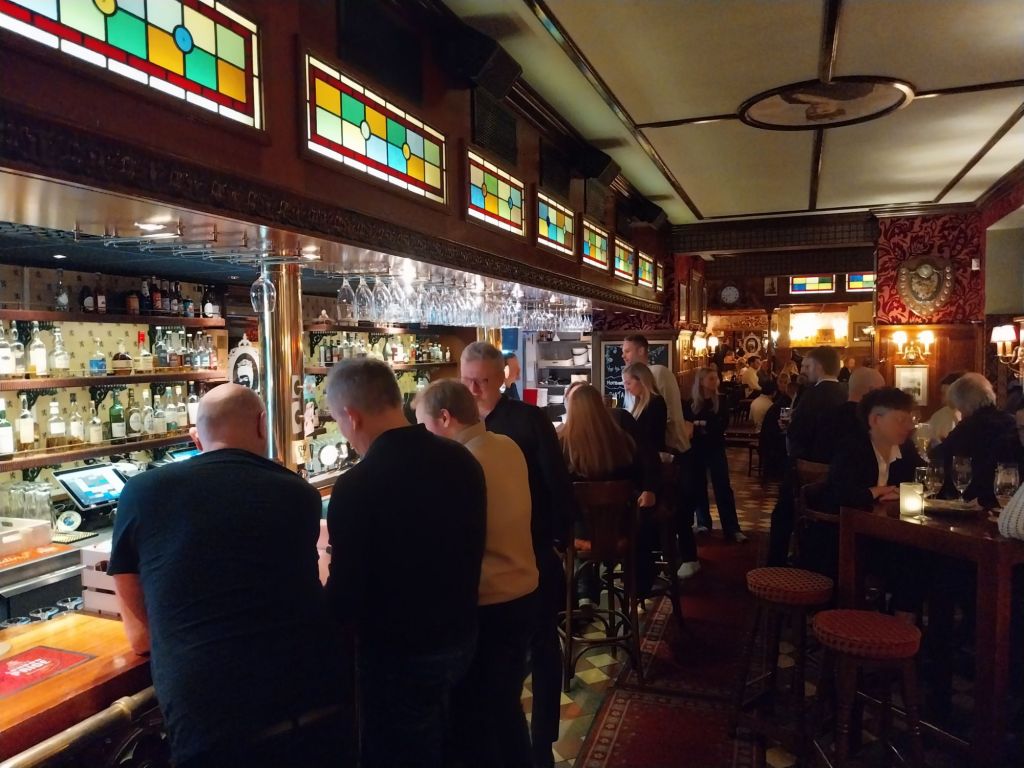
My final night is spent back in the Vasastan district. For some reason, Stockholm (and Sweden as a whole) has an abundance of “English” pubs. This isn’t about patriotism and St George’s flags, but a love of traditional decor with lots of wood and books. The Queen’s Arms is one such venue, and it’s absolutely heaving on a Wednesday night. I later overhear a converasation with people saying that Wednesday is “the new Friday”. It certainly feels like that tonight, though I manage to find a cosy table in the corner.
48 hours in Stockholm is enough time to see the main sights. In better weather, a longer stay would allow more expeditions to the pretty islands and villages around here. For me, it’s time to continue the journey south.
TravelCaster Tips
Getting here : Stockholm is easily accessible by train from other parts of Europe. There are night services to Copenhagen and Berlin, along with the one I took from Narvik. Booking is available via the Swedish Railways website. You can also travel here via ferry from Estonia and Finland. See our Baltics and Scandinavia blog for details.
Orientation : Stockholm’s busy central district sits immediately north of the Gamla Stan island where you’ll find the Old Town, The city centre contains hundreds of shops, bars and restaurants, plus accommodations to suit all budgets. Sodermalm, immediately south of Gamla Stan, is a friendly neighbourhood with plenty of places to eat and drink, as is Vasastan, the area immediately north of the Central Station.
Public Transport : SL runs all buses, local trains, trams and even some boat services. Its website has a useful/planner function, and re recommend downloading the app for easy purchase of passes. A 24 hour ticket costs around €10
Ford and Drink : Sweden is (only slightly) cheaper than Norway. Many bars and cafes promote “after work” food and drink options – usually until about 7pm, where a main course and a beer can be found for around €15. Expect to pay around a third more after 7pm and in the tourist areas.
 TravelCaster
Leave a comment