
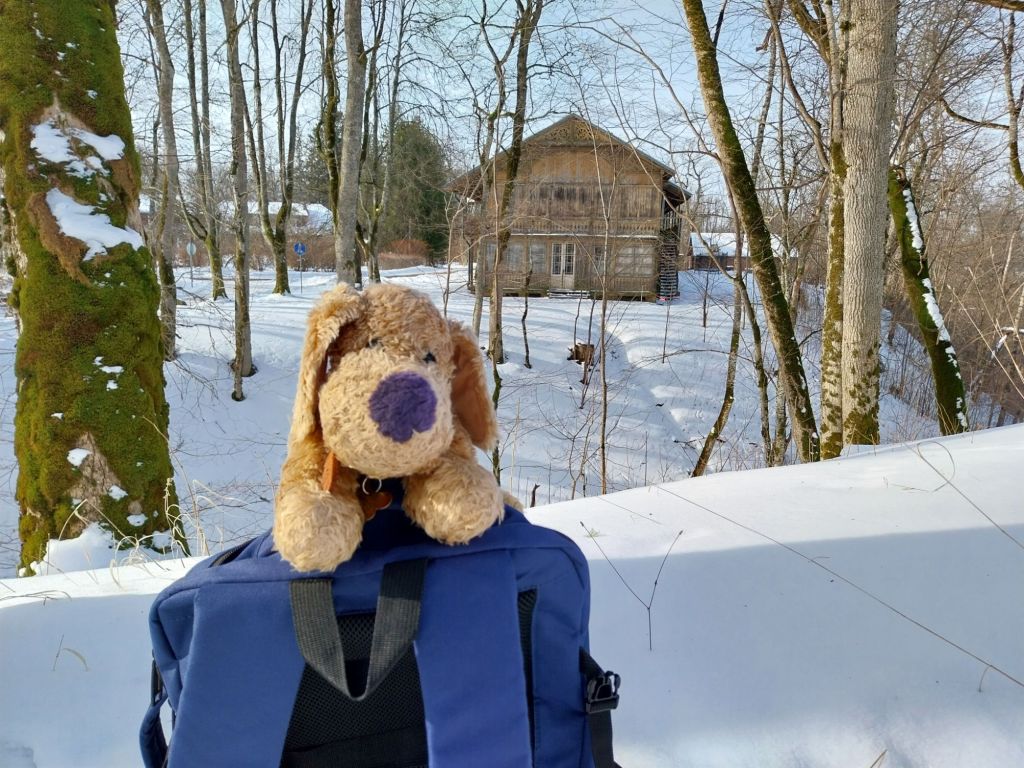
With so many cheap flights to Riga from the UK, it’s little wonder that the Latvian capital is a popular destination for a weekend getaway. But the country has so much more to offer – and much of it is within easy reach by train on bus.
And so it was, on a freezing Saturday morning in February, that I set out for the Gauja National Park. Established in 1973, it was Latvia’s first and covers some 90,000 square kilometres. Plenty of room to get lost in, then. The first task was to find the train from Riga. Fortunately, four to six services run each day, offering flexibility of exactly when to travel. And with last night’s temperatures of minus 16 celsius, there wasn’t a hint of anything being cancelled.
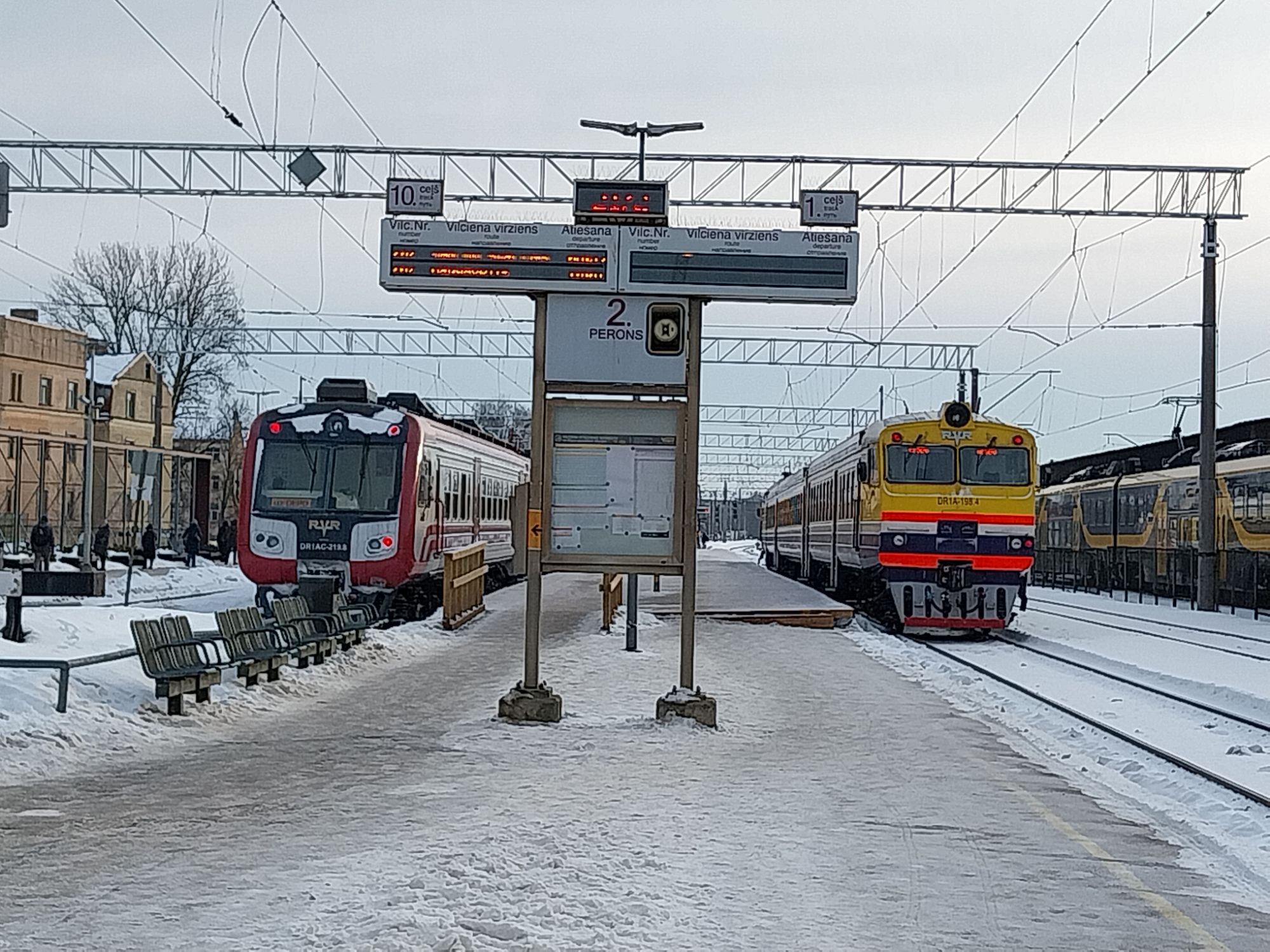
Latvian Railways, operating under the trade name of Vivi, are an easy and cost effective way of getting around. Sigulda is a popular destination, and even in the middle of winter, the four car train was around half full as we left Riga. There’s no first class on this service – which was heading to the border at Valga and then on to Tallinn in Estonia – but the air conditioned accommodation was comfortable enough, and included on board Wifi.
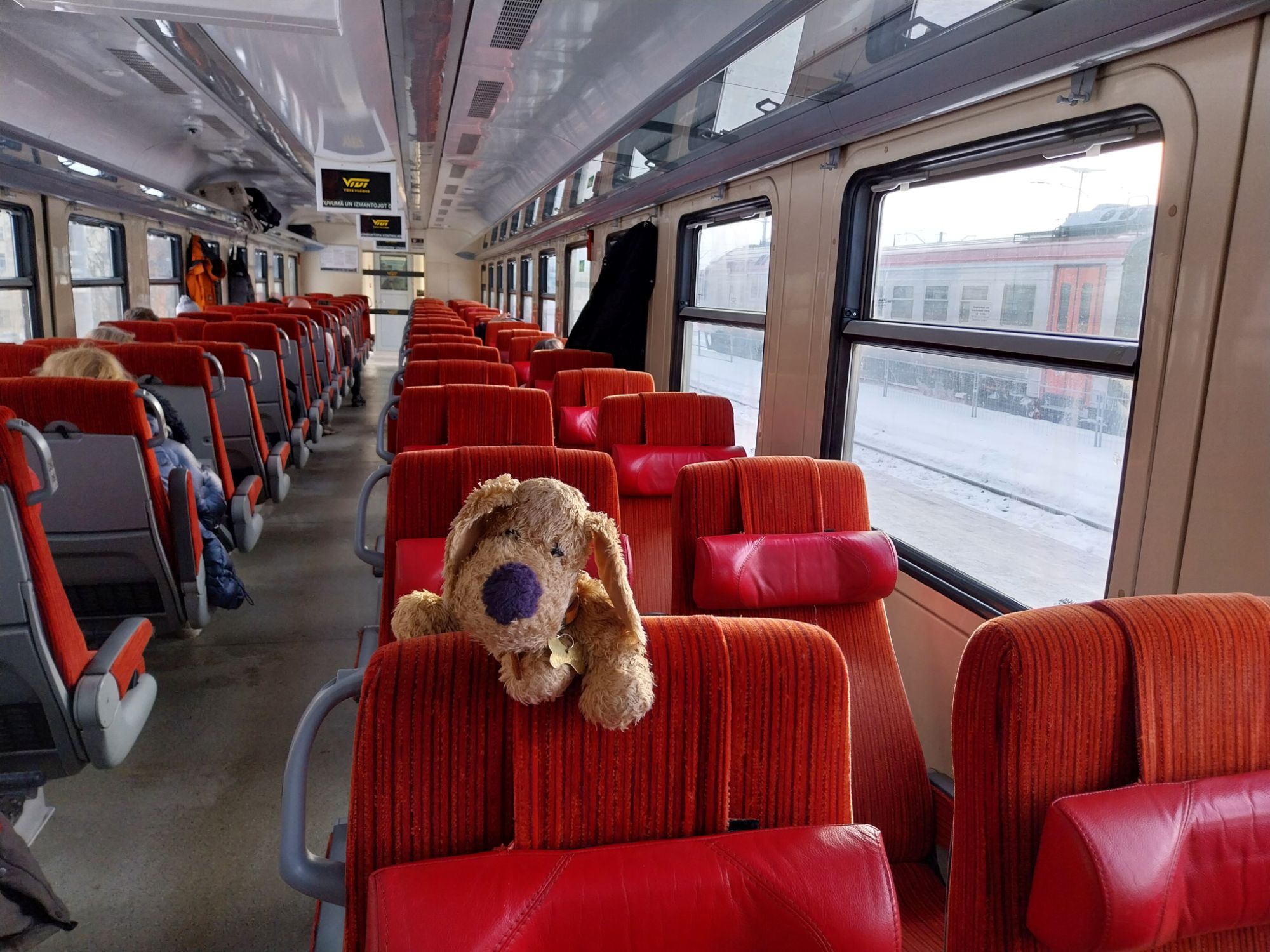
One point eight million people live in Latvia, and around a third of them are in the capital. Soon after leaving the industrial suburbs, it was easy to see just how sparsely populated parts of the country are. Over 50% of its land is covered by forests – a big business here, accounting for a fifth of the country’s exports and generating €3 billion in revenue annually. It’s a major employer, and as the train made its way through the countryside at a leisure 45 km per hour, I could see small villages and homesteads dotted across the frozen landscape.
In the summer, these areas would be lush with fields and farming. At places like Galkane, it felt like you could be in a far flung corner of Siberia.
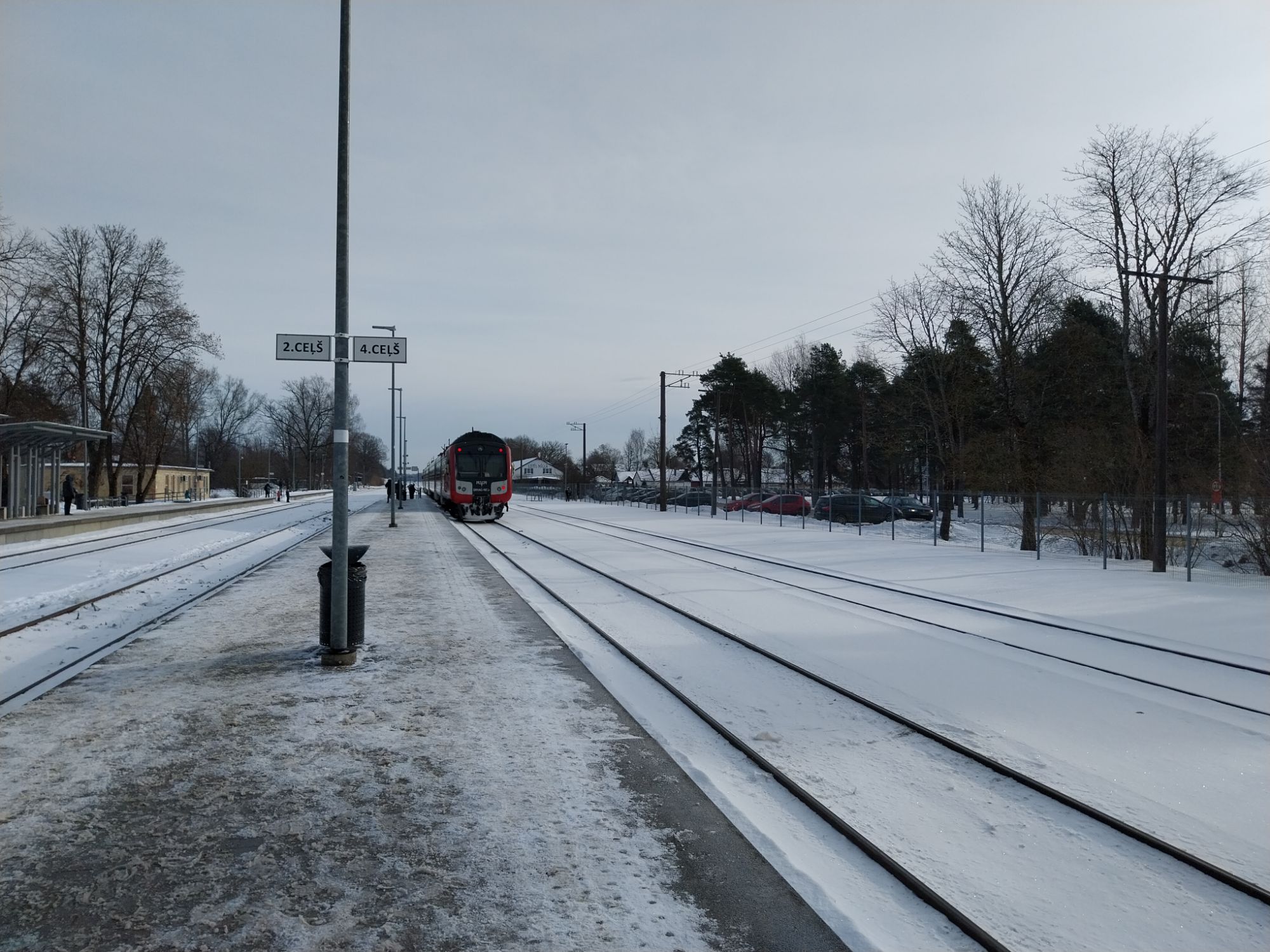
An hour from Riga, we arrived in Sigulda. Population : 15,000 – though in the Summer months I’d expect that to triple with holidaymakers. The town is at the centre of the Gauja National Park, and a base for a huge choice of adrenalin filled adventure. Here, for instance, you can ride on the bobsleigh track used by the Latvian national team. Latvia already had a strong tradition of winter sports and the current facility, built in 1986 under Soviet rule, has produced Olympic champions. Many of the USSR’s competitors came from this region.
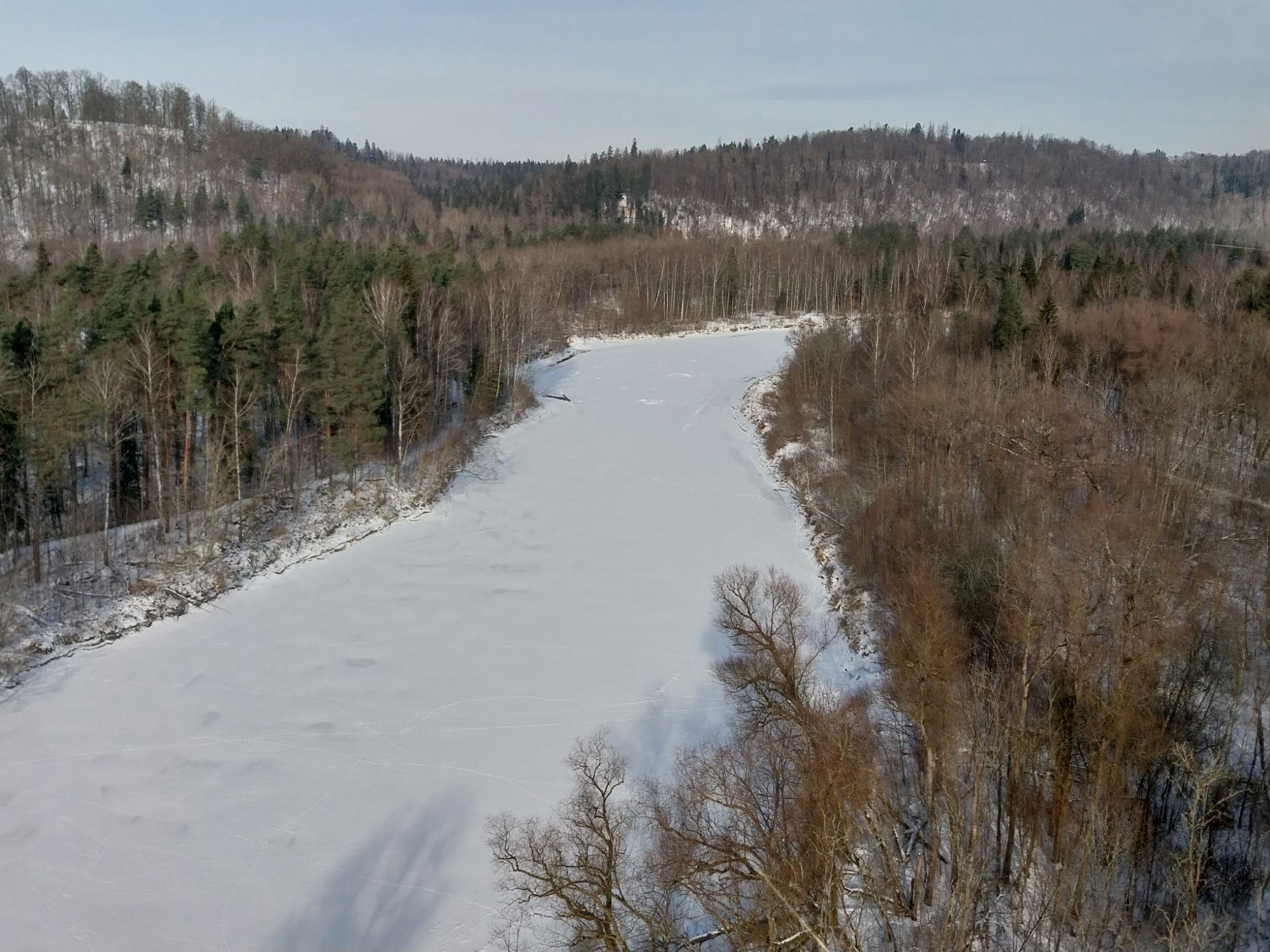
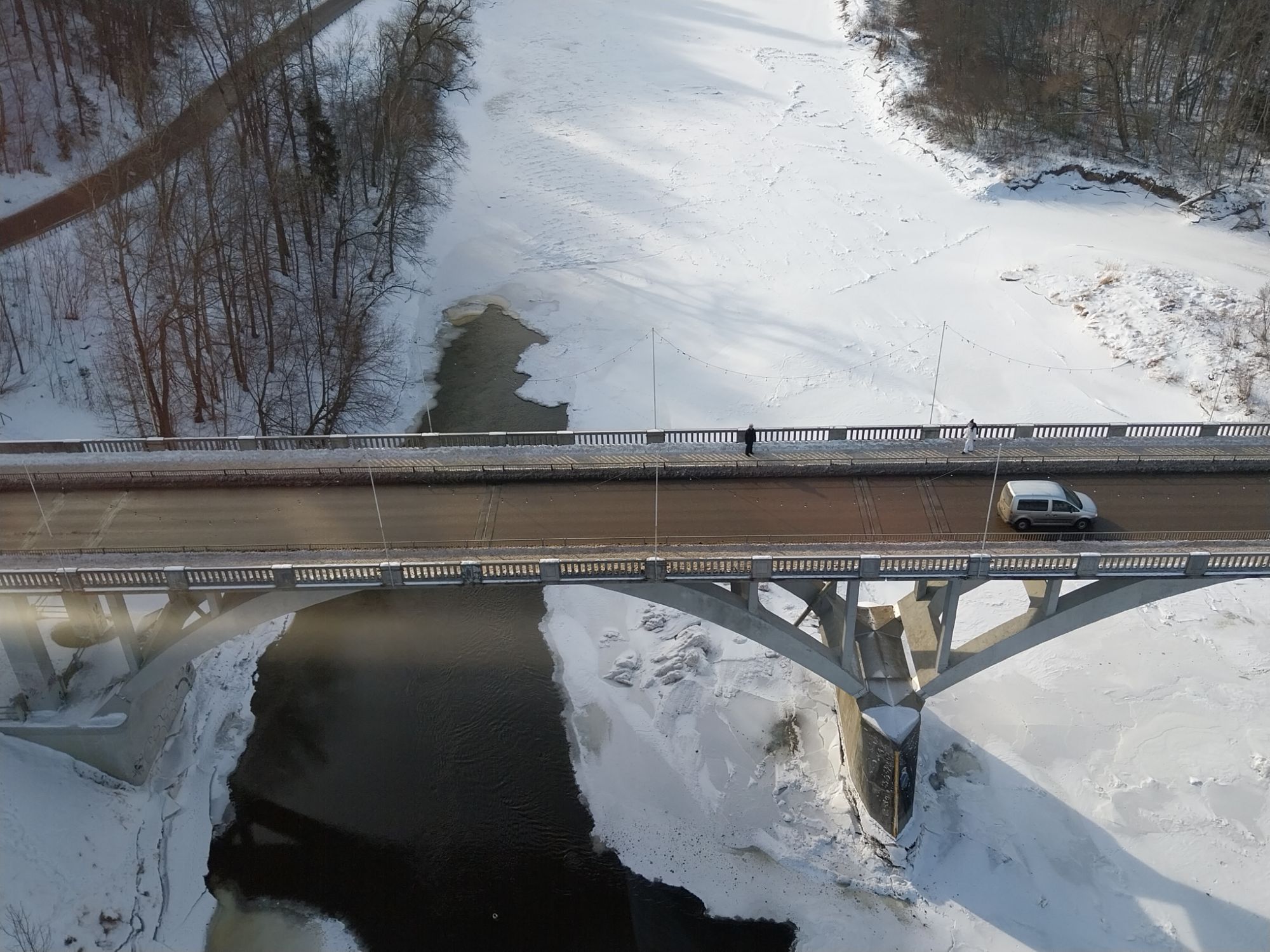
Preferring to keep my bones in their original place, I took a gentle stroll out of town to Sigulda Adventures where another set of high octane activities were on offer. Bungee jumping and mountain biking did not appeal, so instead I opted for the far more sedate cable car trip across the valley. The ride – of just over a kilometre – takes less than ten minutes. But the views are breathtaking. Dangling 43 metres above the frozen River Guaja, the thick forest gave way to the road below. And with this being mid February, I had the experience all to myself – the only passenger on the car.
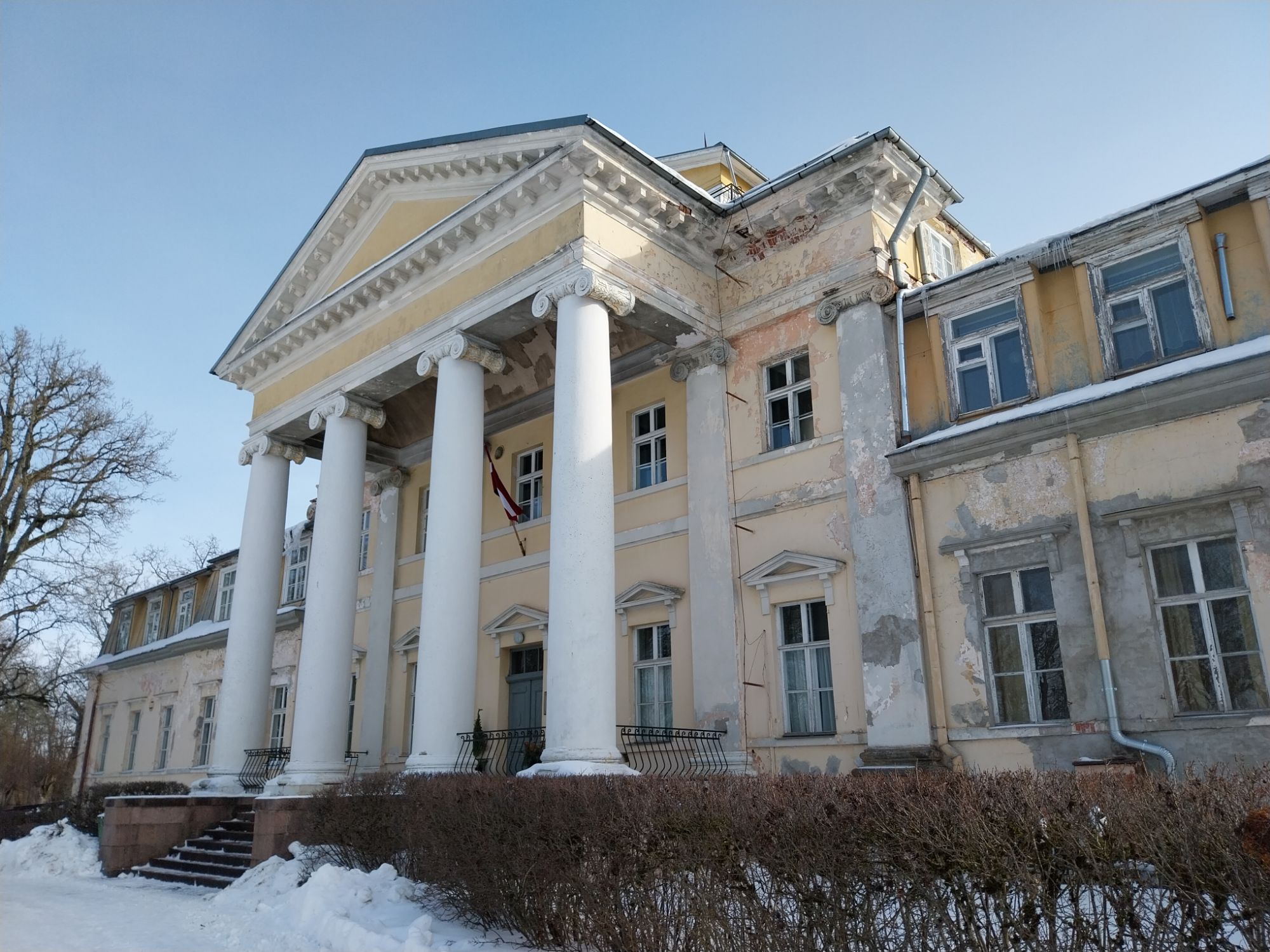
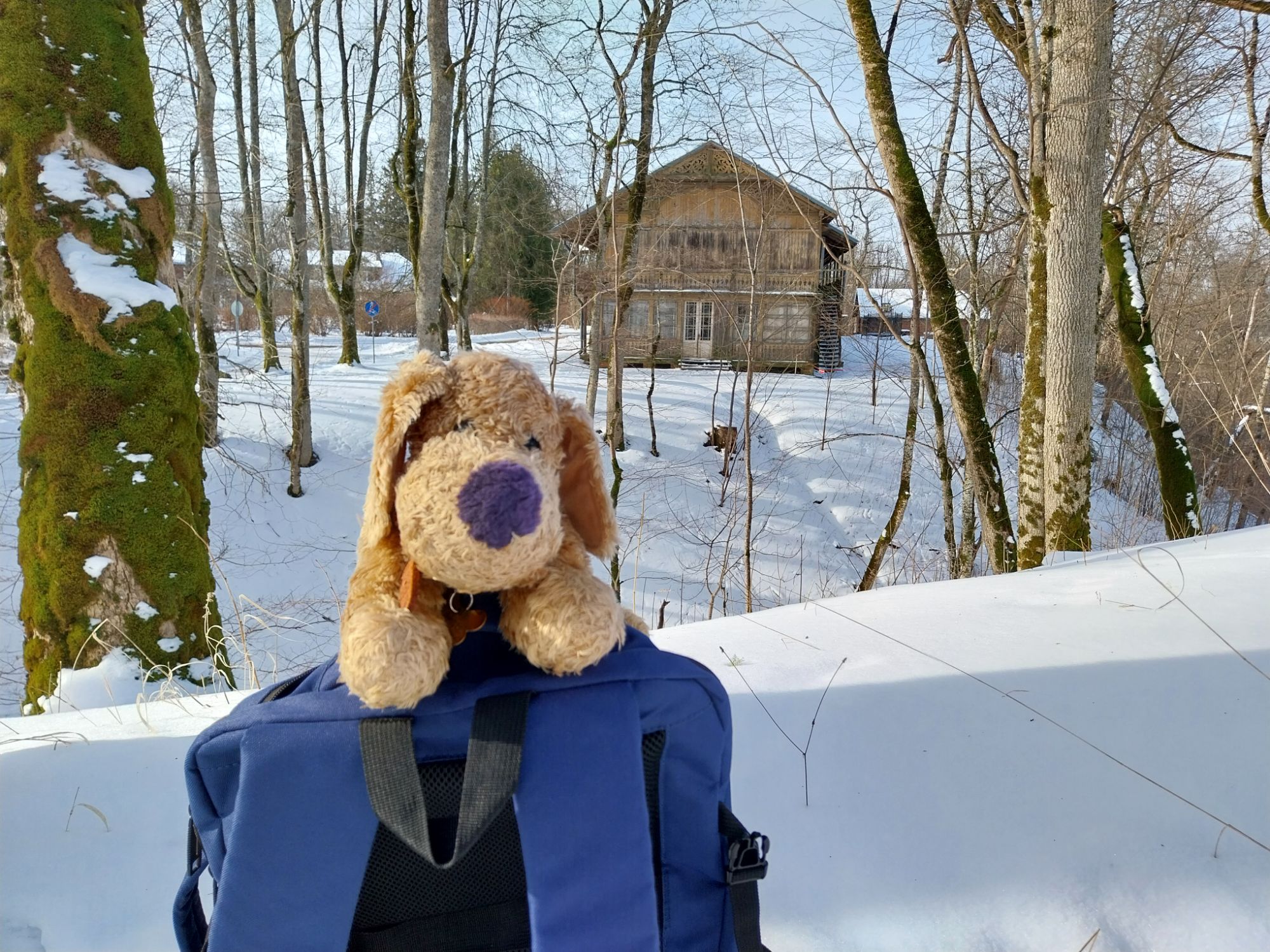
Both sides of the valley offer plenty of sightseeing options. The Krimulda Estate is home to a stunning nineteenth century manor house, Mainly used these days as a rehabilitation centre, it also offers tourist accommodation in the manor itself or a set of wooden summer houses in the grounds. There’s also the remains of the medieval Krimulda Castle, and a welcome cafe in one of the outbuildings.
The whole place is surrounded by more thick forest and hiking trails leading down to the River Gauja. I can imagine this place being horrendous in the middle of the summer, with families crowding out the cable car and fierce biting insects in the trees. But today, it’s a peaceful retreat with historic buildings to admire and bright winter sunshine adding to the atmosphere.
The small town of Sigulda is also geared up for hungry tourists. There are loads of cafes and bars and a couple of hotels catering for all tastes. And the prices here are surprisingly cheap compared to the Old Town in Riga. Maybe it’s seasonal thing.
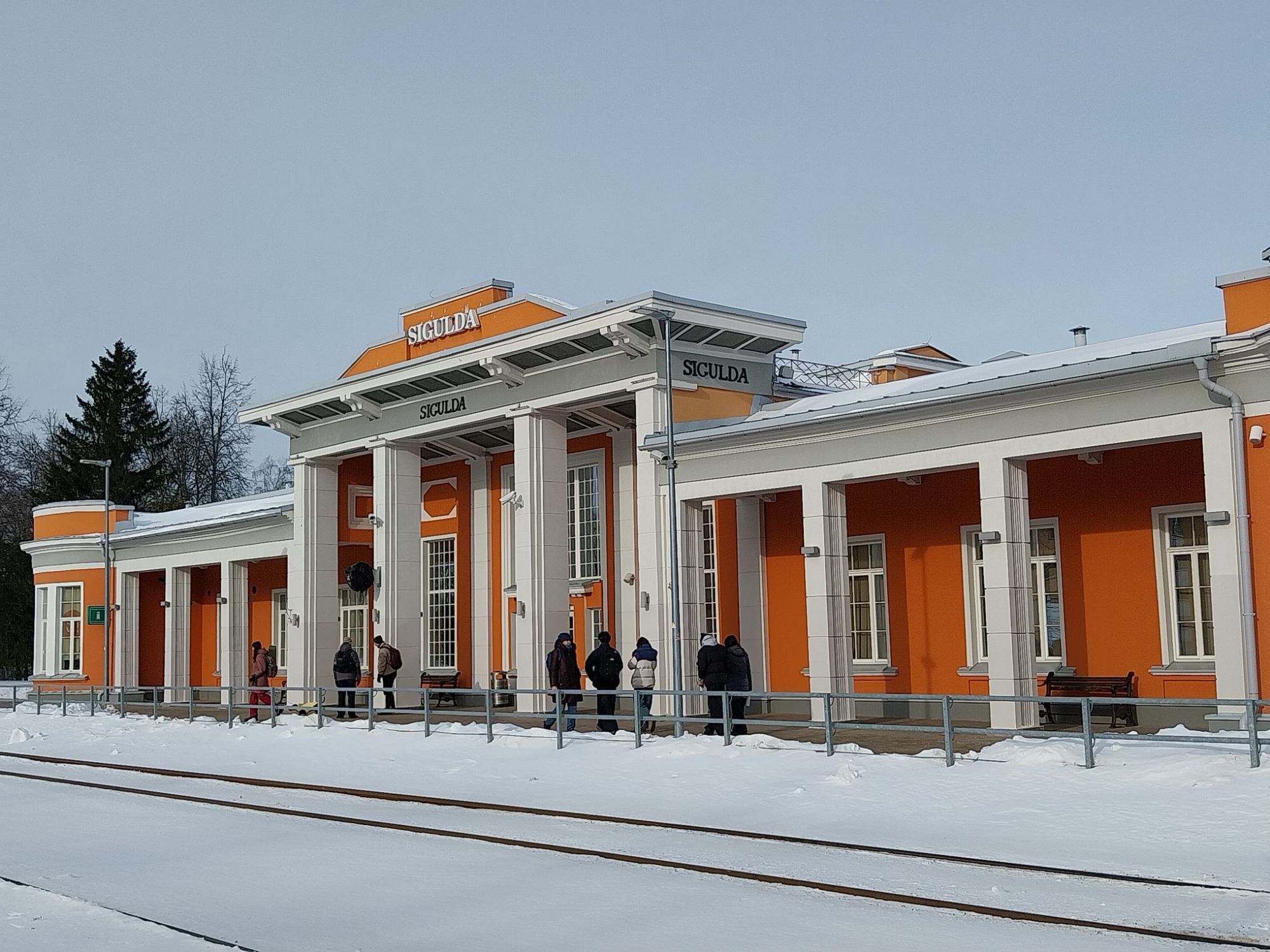
Sigulda really does have everything for a great day out (or two) in one very handy location. Other centres across the Gauja National Park offer multiple attractions, pretty castles and natural spaces to enjoy. It’s well worth getting out of the city for – even if it’s just to look at the elegant train station.
TravelCaster Tips
Getting here : Latvian Railways run frequent services to Sigulda, with up to five departures per day from Riga. Although trains may get busy in the summer, you can’t reserve a space. A one way ticket costs €2,80 which can be bought from any station office or on board.
Orientation : To reach the cable car from Sigulda station, cross the main road and walk through the town. Sigulda Adventures is a 15 minute walk from the centre on flat ground.
Public transport : There are occasional local buses from Sigulda to the adventure centre, though these are infrequent. You can also connect to Silgulda by bus from Riga, or onwards to Cesis, a larger town with a medieval castle.
Food and drink : Sigulda has a good choice of cafes and restaurants, including Kaku Maja – which offers a great value self service menu; we had a main course and a hotel drink for €8.50. Krimulda has the small but well stocked Cafe Milly. Many locations offer outdoor seating in the Summer.
© 2026 Kevin Stanley/TravelCaster
 TravelCaster
Leave a comment