
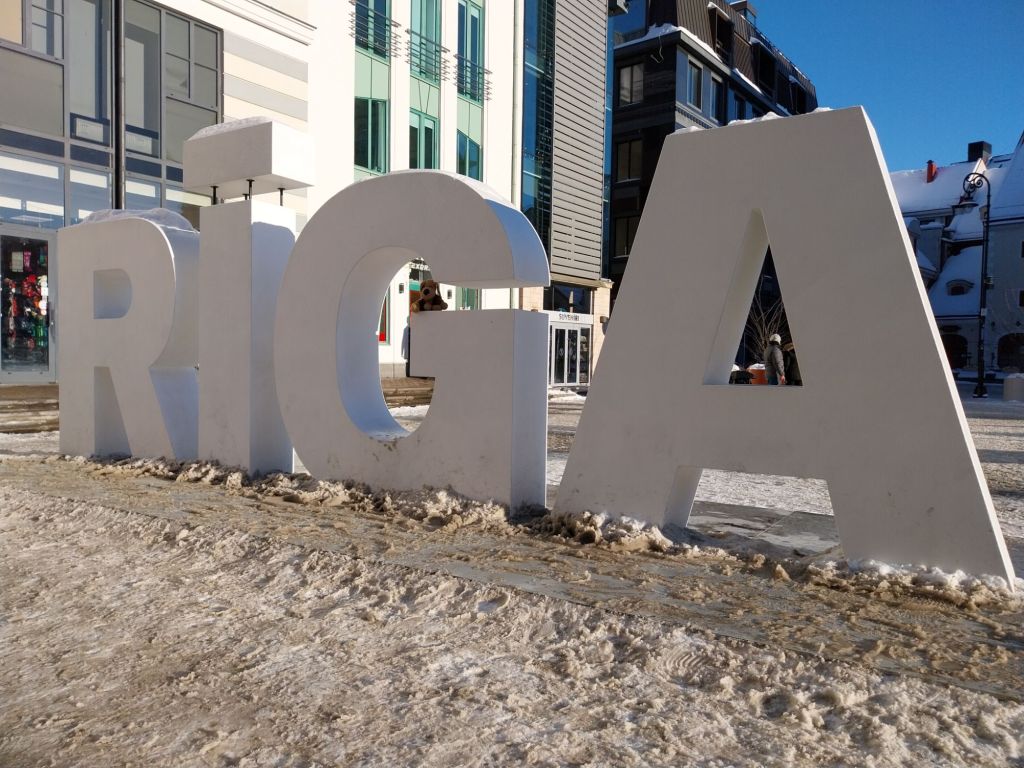
The last time I visited Latvia was back in 2009. Then, it was June. The sun was shining, and the Baltic Sea looked almost inviting from the white sandy beach at Jurmula, just north of the capital Riga. Two days before my February 2026 trip, the night time temperature was minus 17 celsius – and the daytime wasn’t far above that.
So I knew it probably wasn’t necessary to pack the shorts. Not even at 5.45 in the morning at East Midlands Airport, where the thermometer registered a balmy plus 3 celsius.
However, Latvia can look great in the winter months, and arriving in the icy capital Riga in the middle of the morning presented a view to behold. The Daugava River; over a thousand kilometres long, with its roots in Russia, it flows all the way through Belarus to the Gulf of Riga. Except at this time of the year, when it’s completely frozen over.
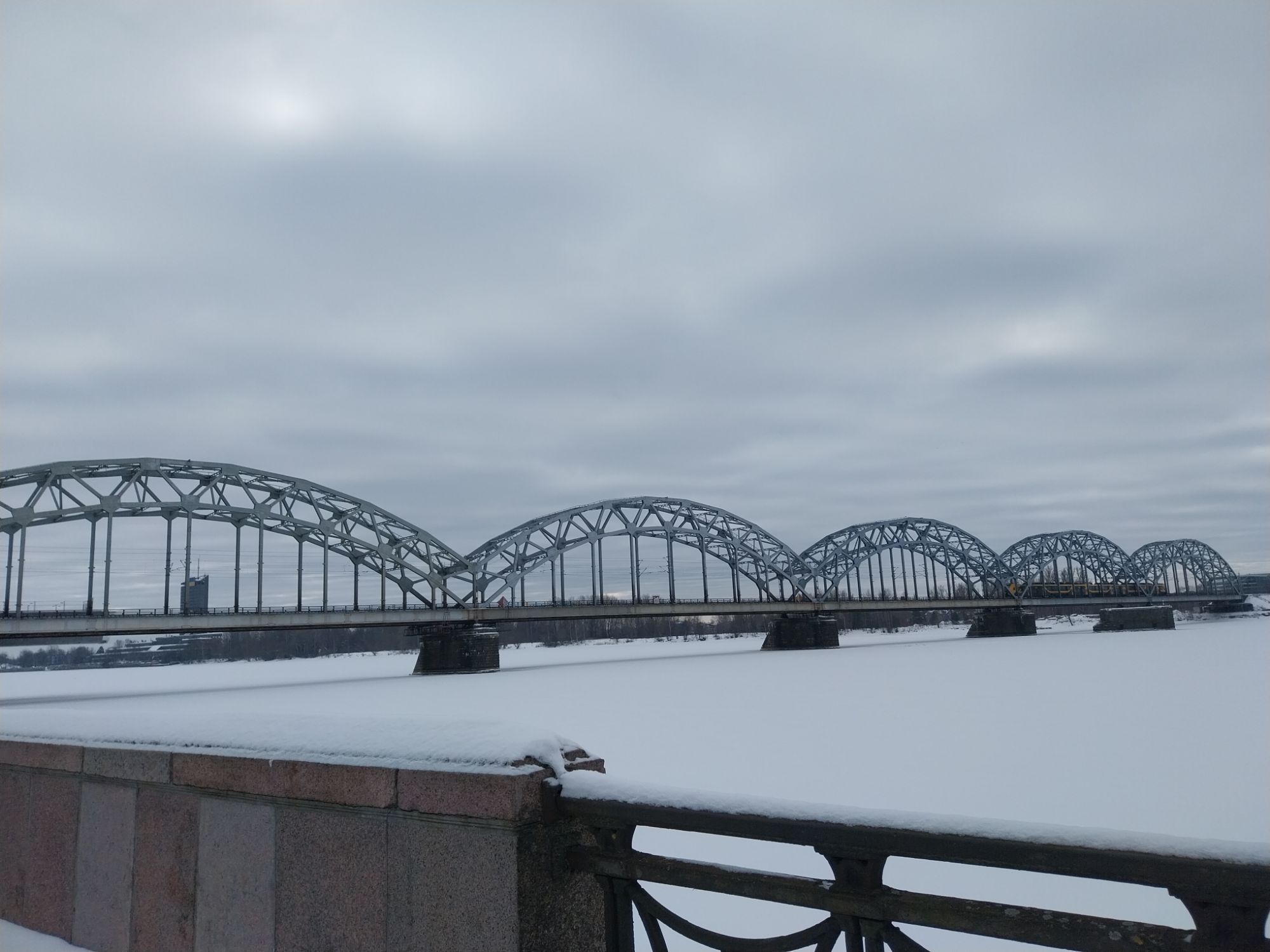
It’s the kind of scene which in the UK would lead to a complete shutdown of the country. But here, flights still operated, trains ran over the bridge and cars made their way through the frozen roads. They’re a defiant bunch in the Baltics, which is hardly surprising; over the centuries Latvia has had to fight hard for its independence, having been occupied by Sweden, Germany and Russia to name but three. The fall of the Soviet Union in 1991 finally brought about a proudly sovereign nation – and 35 years on, this still feels like a young country.
Riga’s Old Town is relatively compact and has plenty of offer for sightseeing. There’s a museum for just about everything here – in fact, no fewer than three dealing in some way or other with the fall of Russia in the 1990s. Many of the historic buildings are actually reconstructions; the House of the Blackheads being one. Today it houses yet another museum and, next door, the city’s tourist information office.
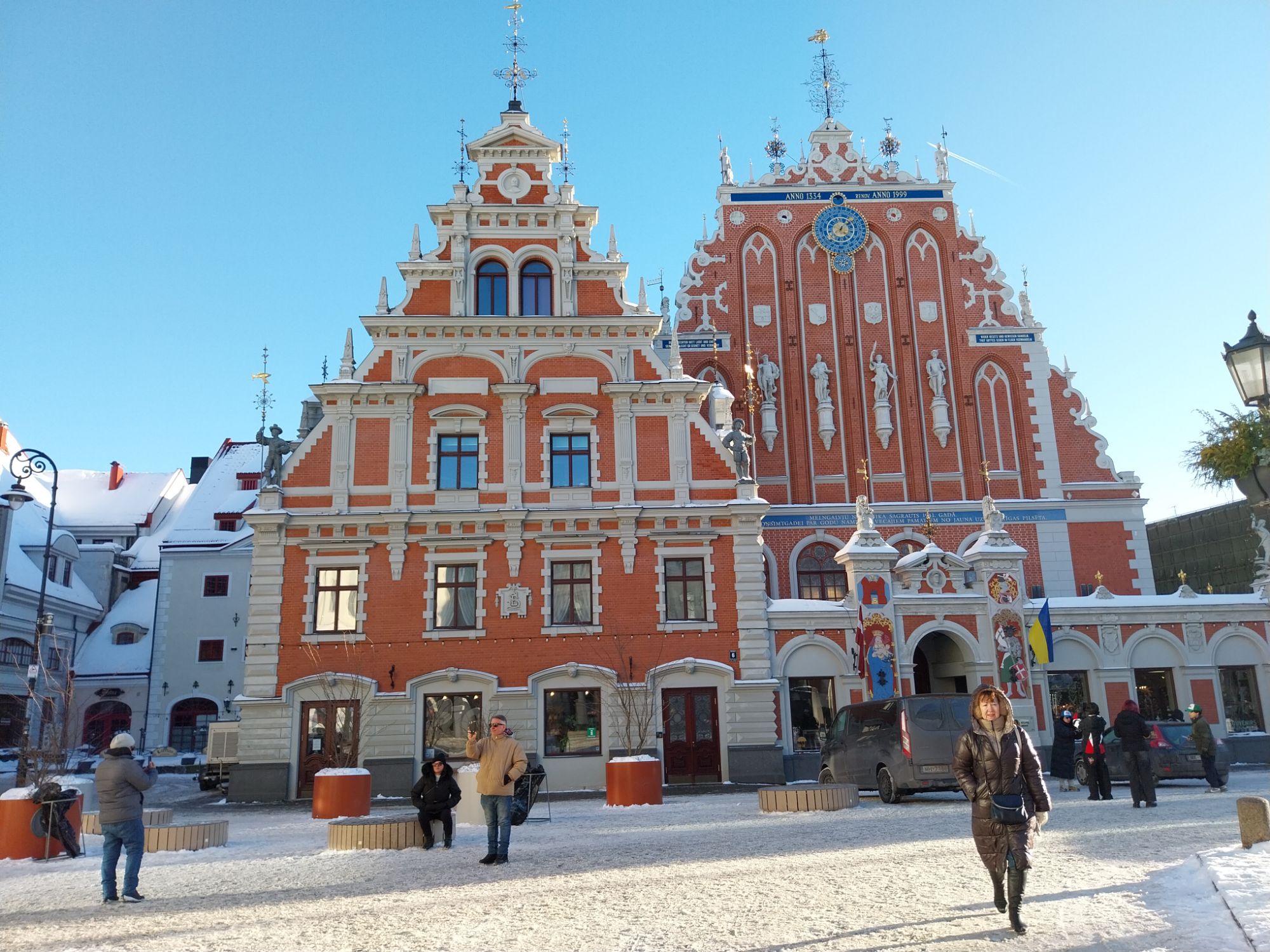
This is the main City Square, and it’s where you’ll find two types of annoying people; the first are the walking guides – okay, they’re offering what some may feel is a useful service but they stand watching visitors with an eyes that says “you won’t enjoy this as much unless I’m talking at you”. The second annoyance is the habit of Riga’s drunks to shuffle through the snow asking for money. Thankfully neither are in abundance at this time of the year.
Directly next to these pretty gabled buildings is a far more sinister looking brutalist structure. It comes from the Soviet era and was built next to a monument honouring the riflemen of the Red Army. Today, it’s home to the Museum of Occupations – and if you only visit one museum, make it this one.
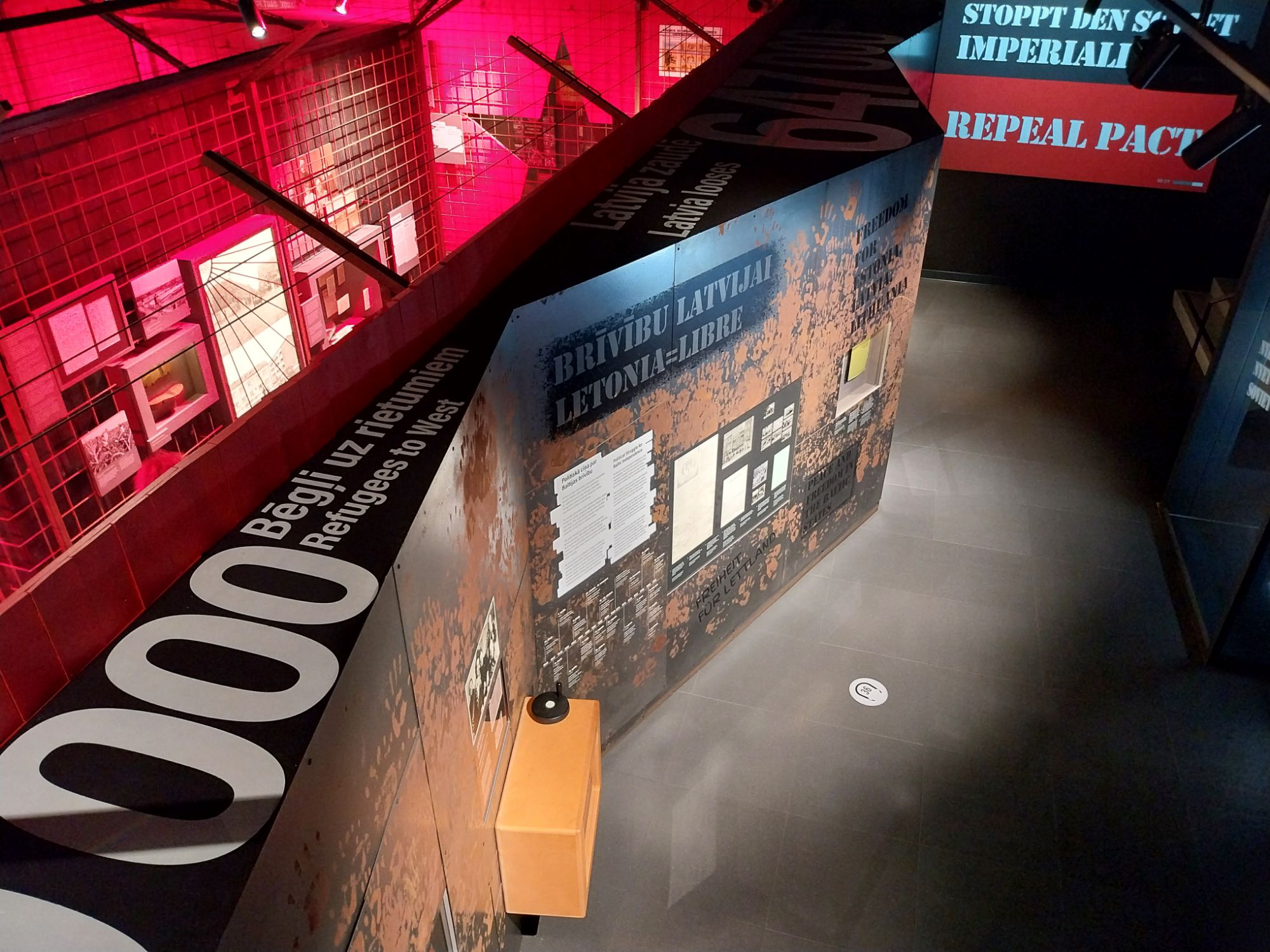
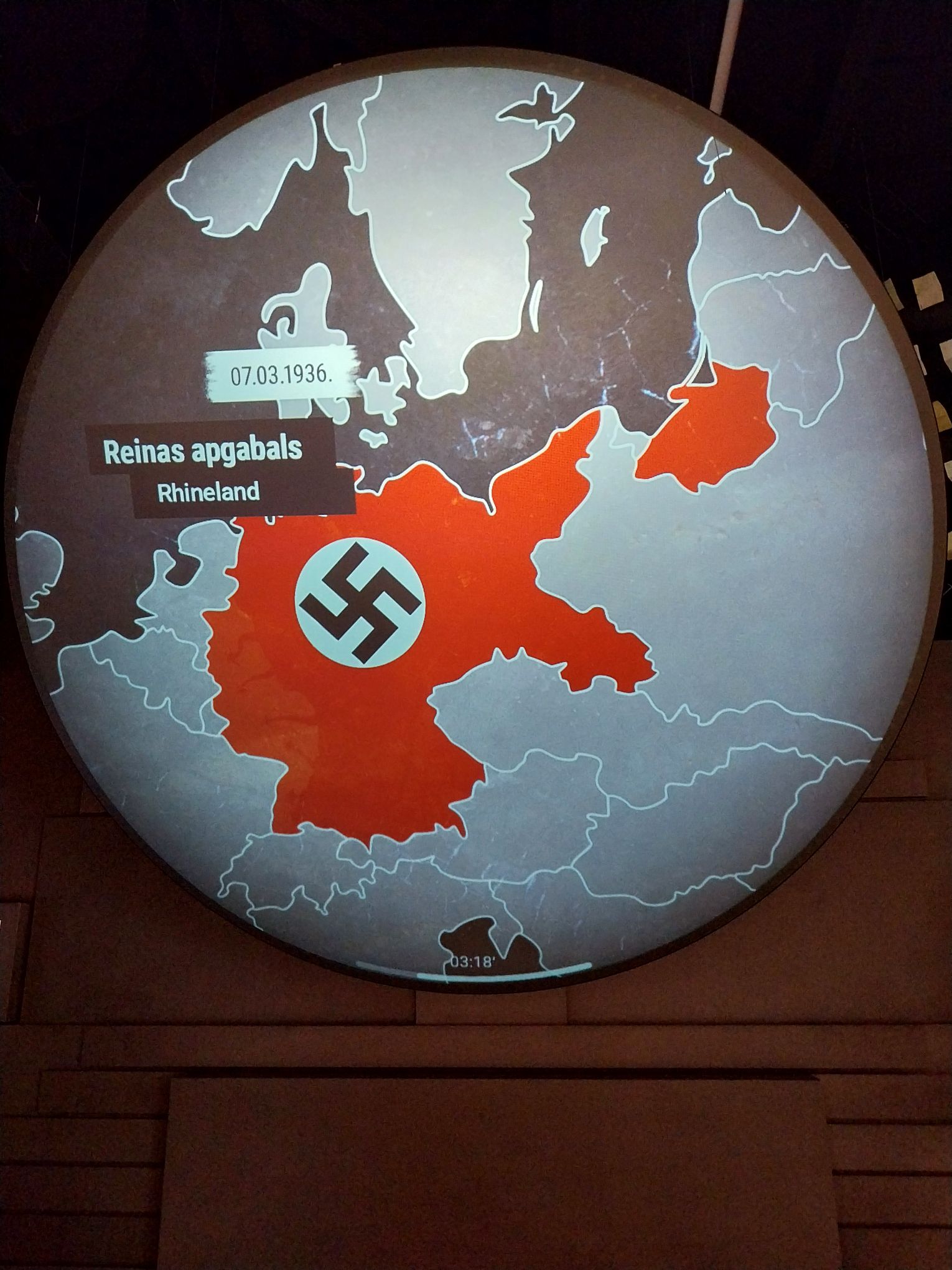
The impactful, immersive displays chart the conspiracy between the Nazis and the Russians to take over the Baltic States. Like many other European countries, it’s a difficult, complex and often harrowing story to take in. But unlike many other parts of Europe, the Baltics didn’t gain freedom at the end of the Second World War, instead becoming part of the Soviet Union and enduring nearly 50 further years of life under Communism.
Of course, we now know that there was light at the end of that very long tunnel, and the upper floor of the museum tells a much more positive story of freedom, reconciliation and progress. Although writing this blog in 2026, you have to wonder if that freedom will last, as Russia’s war with Ukraine enters its fourth year.
A wartime memory is also kept alive just outside the Old Town. Five German aircraft hangers from the First World War are now home to Riga’s Central Market, one of the largest in Europe. It’s modest outdoor stalls, today caked in snow, hide the impressive array of goods on offer inside.
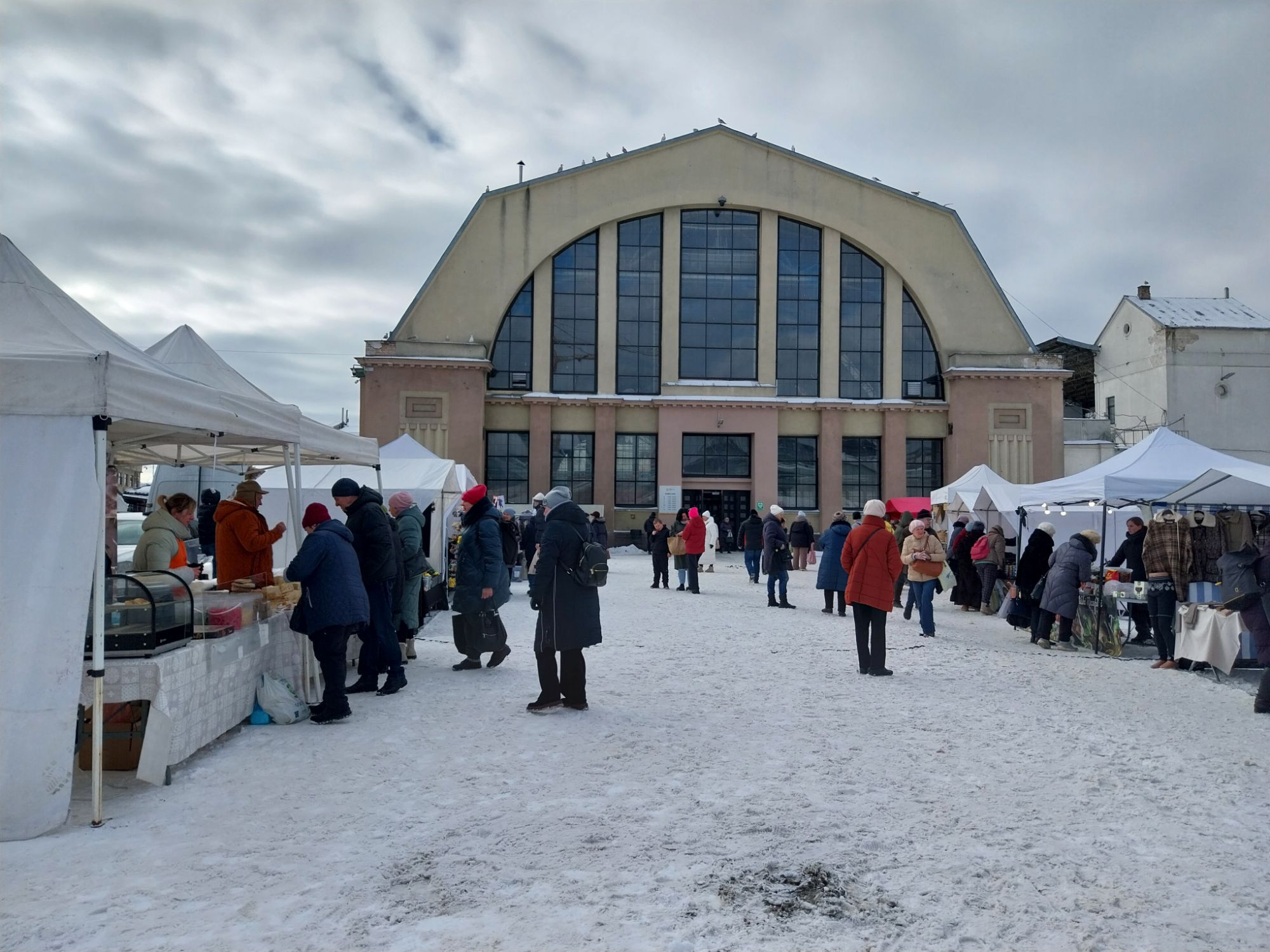
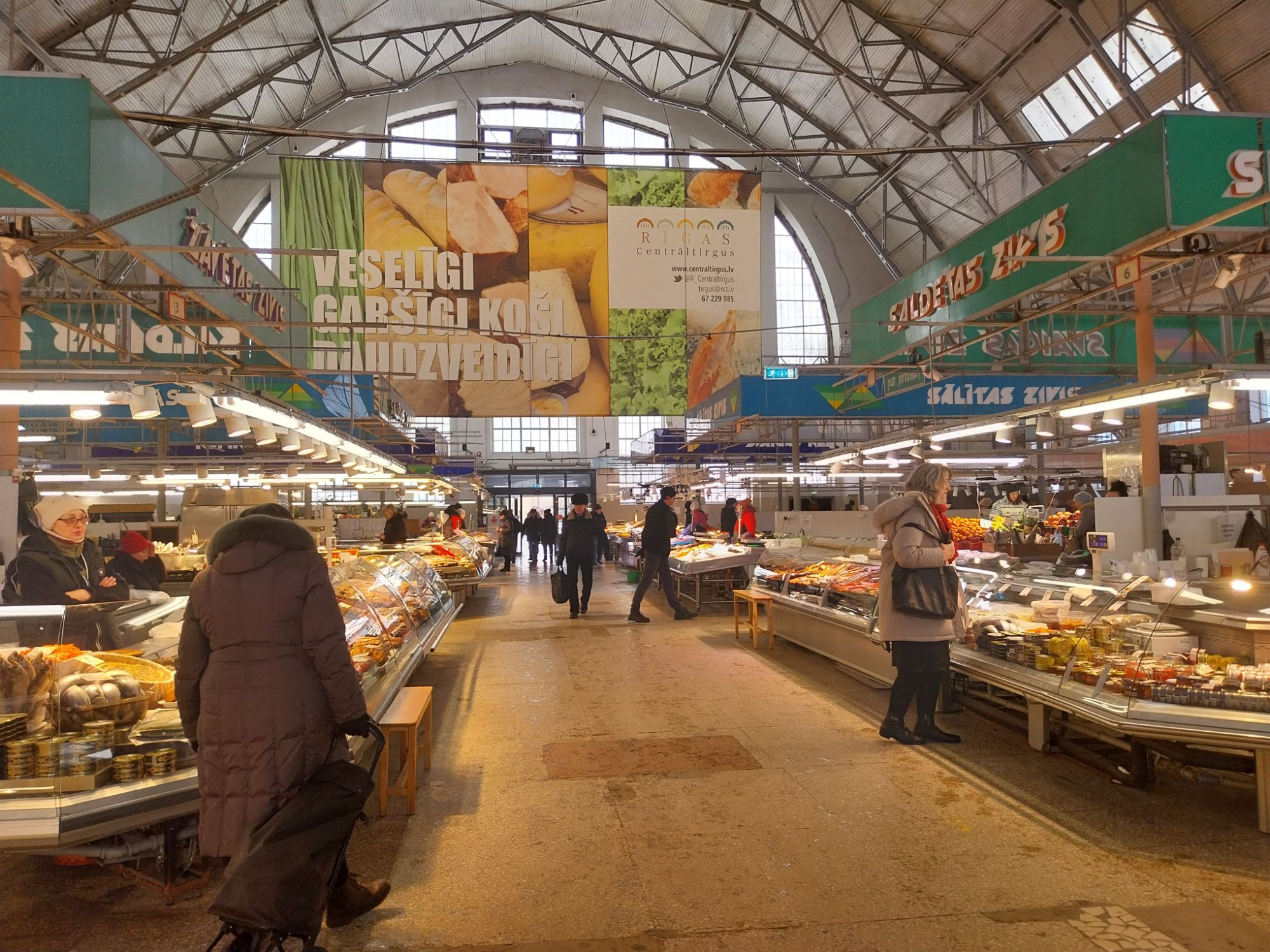
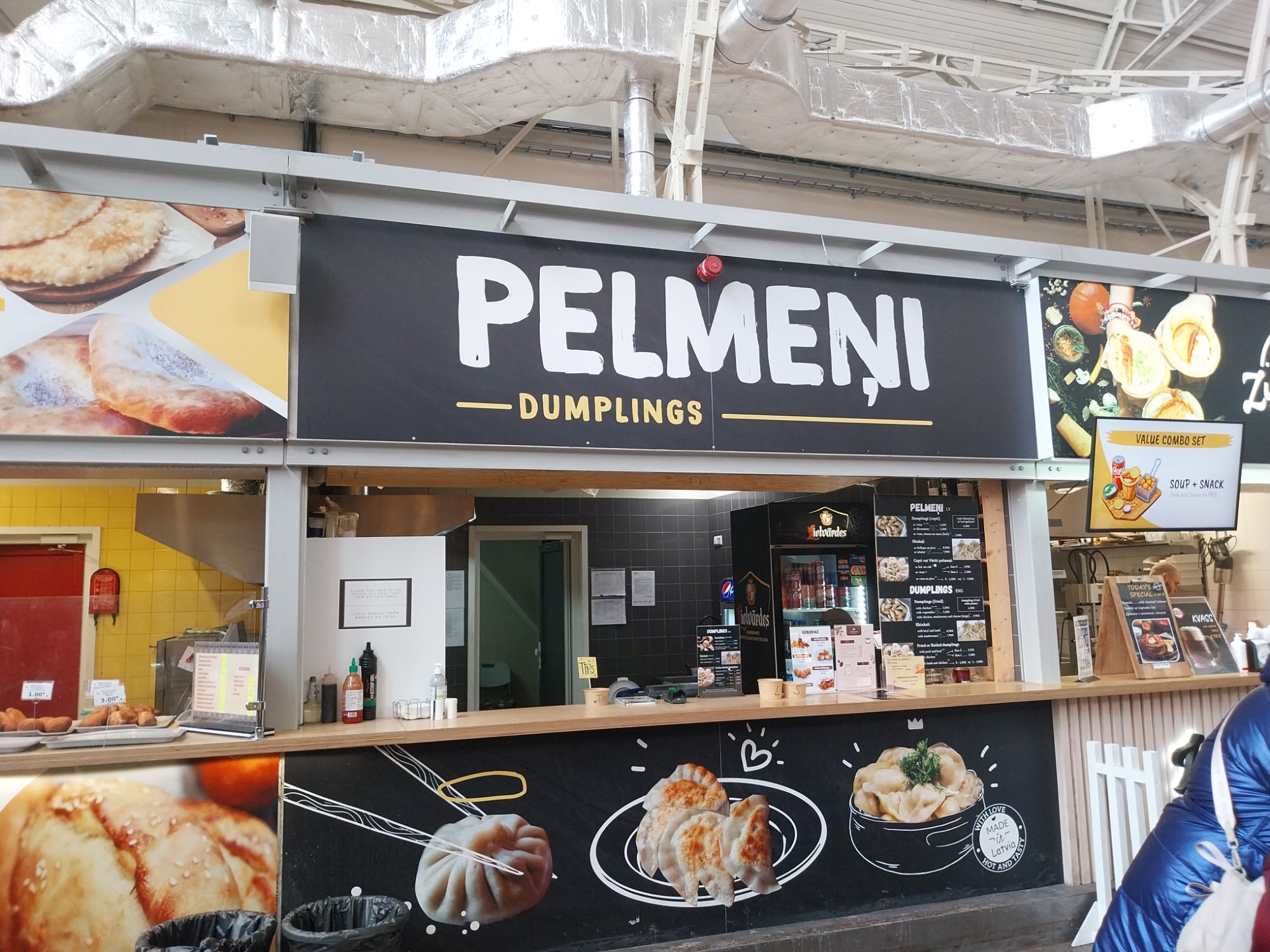
Each hanger is dedicated to one type of product – fresh meat and fish in this one, homewares in the next, and an massive hall of cheese. There’s also a food court with around twelve stalls selling hot meals. They include the Pelmeni – a Latvia dumpling filled with cheese, meat or potatoes, similar to the Polish Perogi. Overall, the market is a great place to get a bargain, with a filling main course and a drink to be had for less than €10 – simple snacks are even cheaper.
Riga’ ‘s Old Town, by contrast, is full if neat streets and open squares of varying sizes. In the summer, the place is teeming with outdoor bars and restaurants overcharging the tourists as best they can. At this time of the year, you’re overcharged inside a warm cosy setting instead. Actually, that’s not quite true. While prices have certainly gone up since my first visit in 2009, they’re modest compared to other parts of Europe. But don’t expect the good old days where a you could get a pint for less than a Euro.
While there’s plenty to see at street level, St Peter’s Church is the place to get an aerial view. Repeatedly destroyed and rebuilt over the centuries, the current tower dates back to 1967 and reaches 123 metres into the sky. Helpfully, there’s a lift to take visitors to the 73 metre point, where a selfie is compulsory.
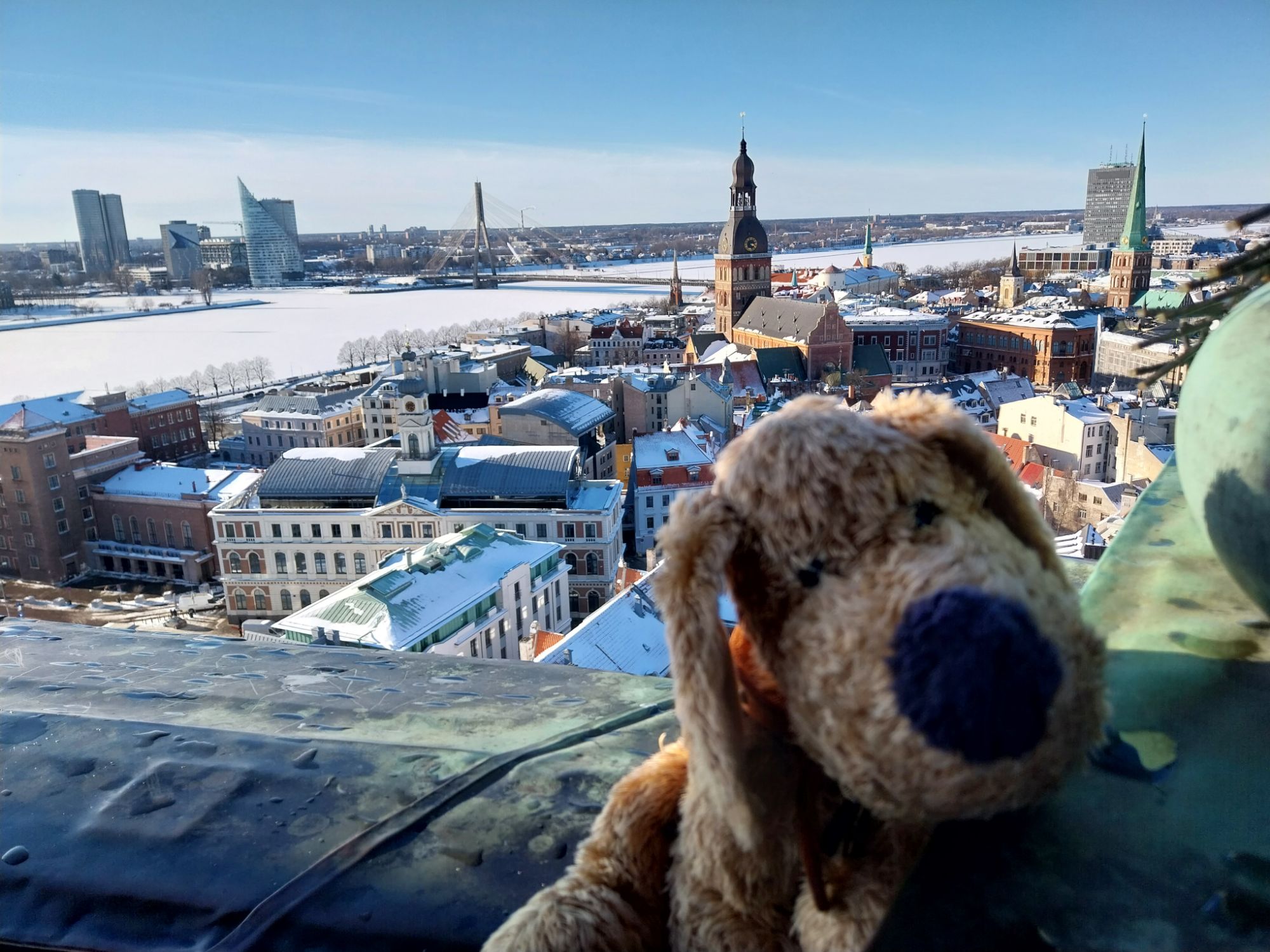
The Old Town is also full of another historical sight – Stag and Hen parties at night. Riga’s popularity has endured with the continuation of cheap flights from the UK and other parts of Europe. As a result, you’ll find yourself wandering along streets full of party bars and (generally) younger people falling out of the doors. Which is why it’s a good idea to venture a bit further.
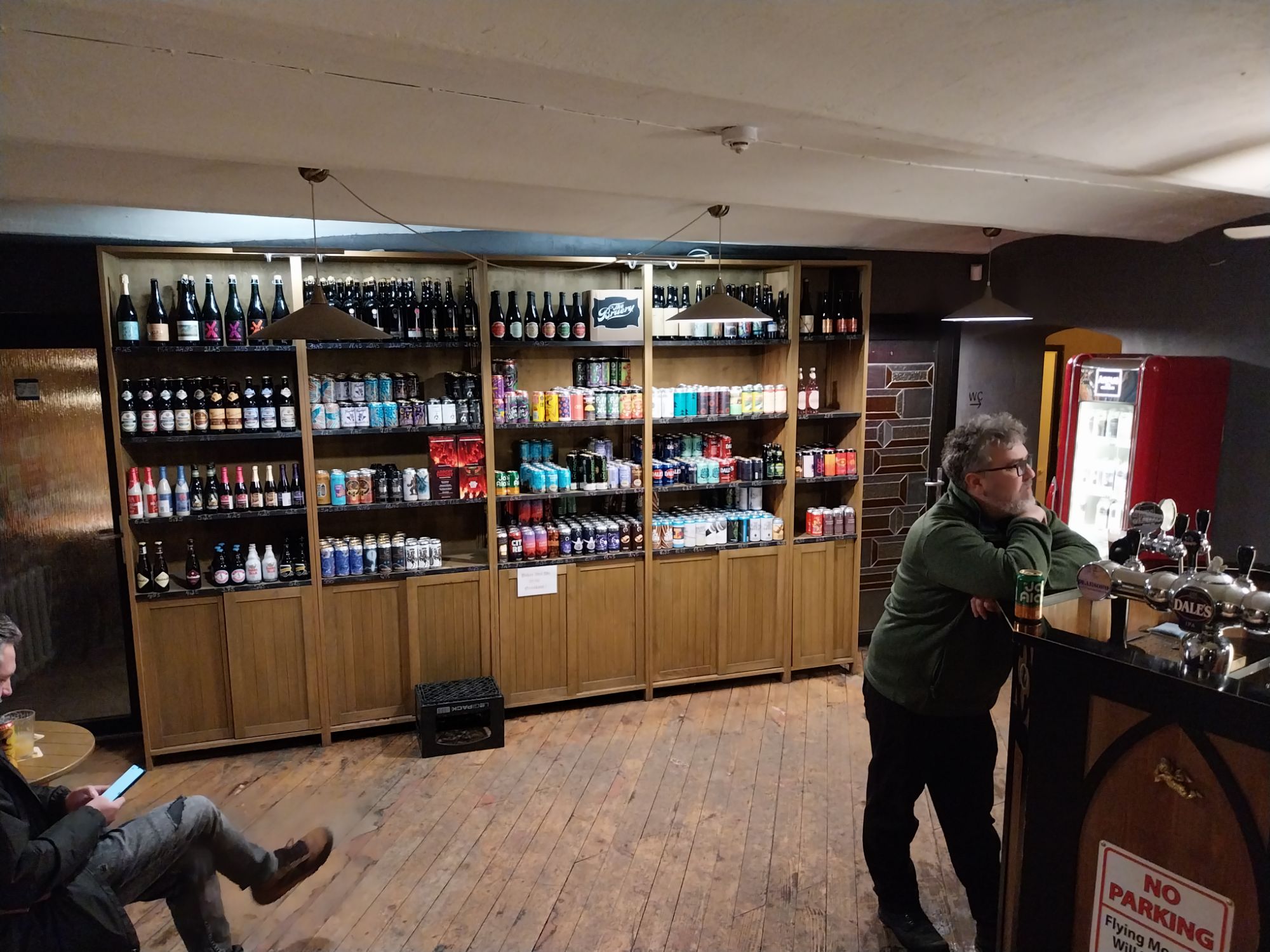
The central district of Riga offers a more authentic choice of night life. Allus Celle – which literally translates as Cellar Bar is a fine establishment offering hundreds of craft beers. Locals of all ages sit at the tables, some sharing a drink with the friendly and knowledgeable owner who will help you choose a brew.
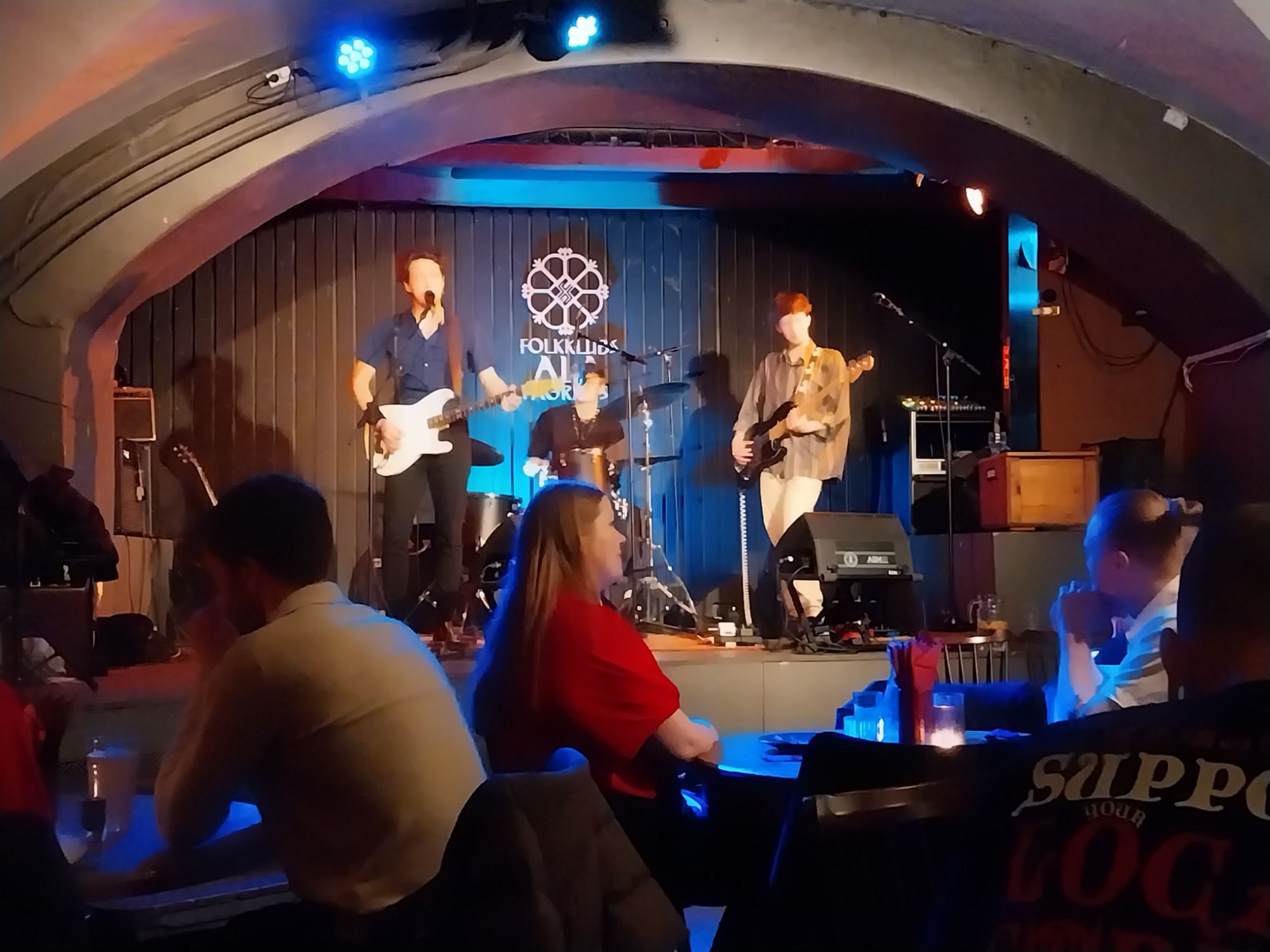
There are more lively options in the Old Town that don’t amount to drinking 25 shots in five minutes. Ala Pragabs – another subterranean bar – is a great place for live music on most nights of the week. Admittedly, this is a touristy venue, but a useful diversion from the madness elsewhere. And for a tourist area, the prices aren’t excessive. Despite its label as a “Folkklub”, tonight it’s all about rock and roll.
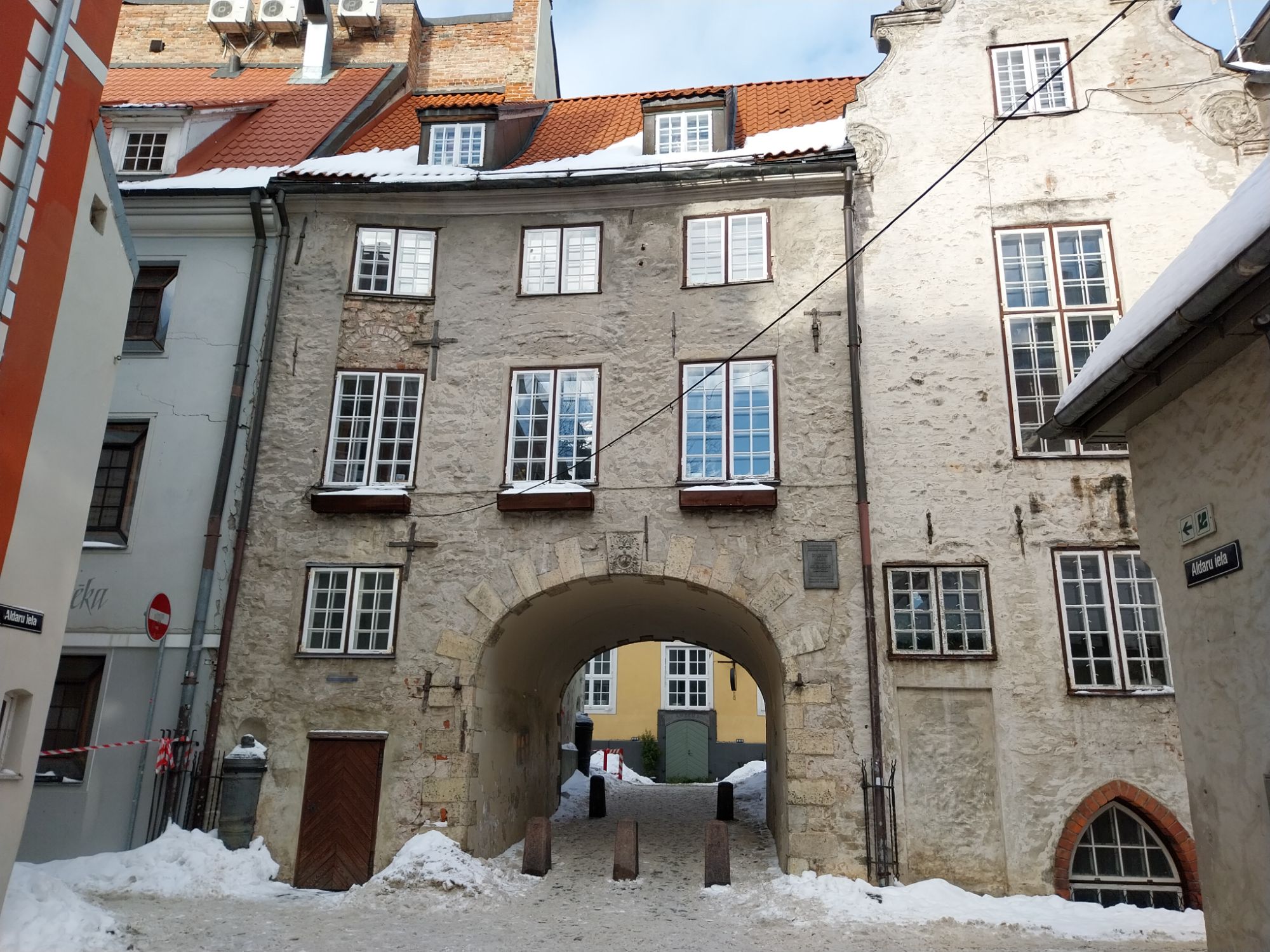
Unlike some European cities, there’s not much left of Riga’s original city walls. The Swedish Gate is one of the few remaining signs of its fortifications.
But a short distance away, the former bastions and moats from Medieval times today house a large and beautiful park. At the centre of it is the Freedom Monument – built in 1936 to honour the Latvian soldiers of the First World War. It’s hard to see from this wide angle, but the column is guarded by two soldiers. The guard is changed once an hour in a formal ceremony.
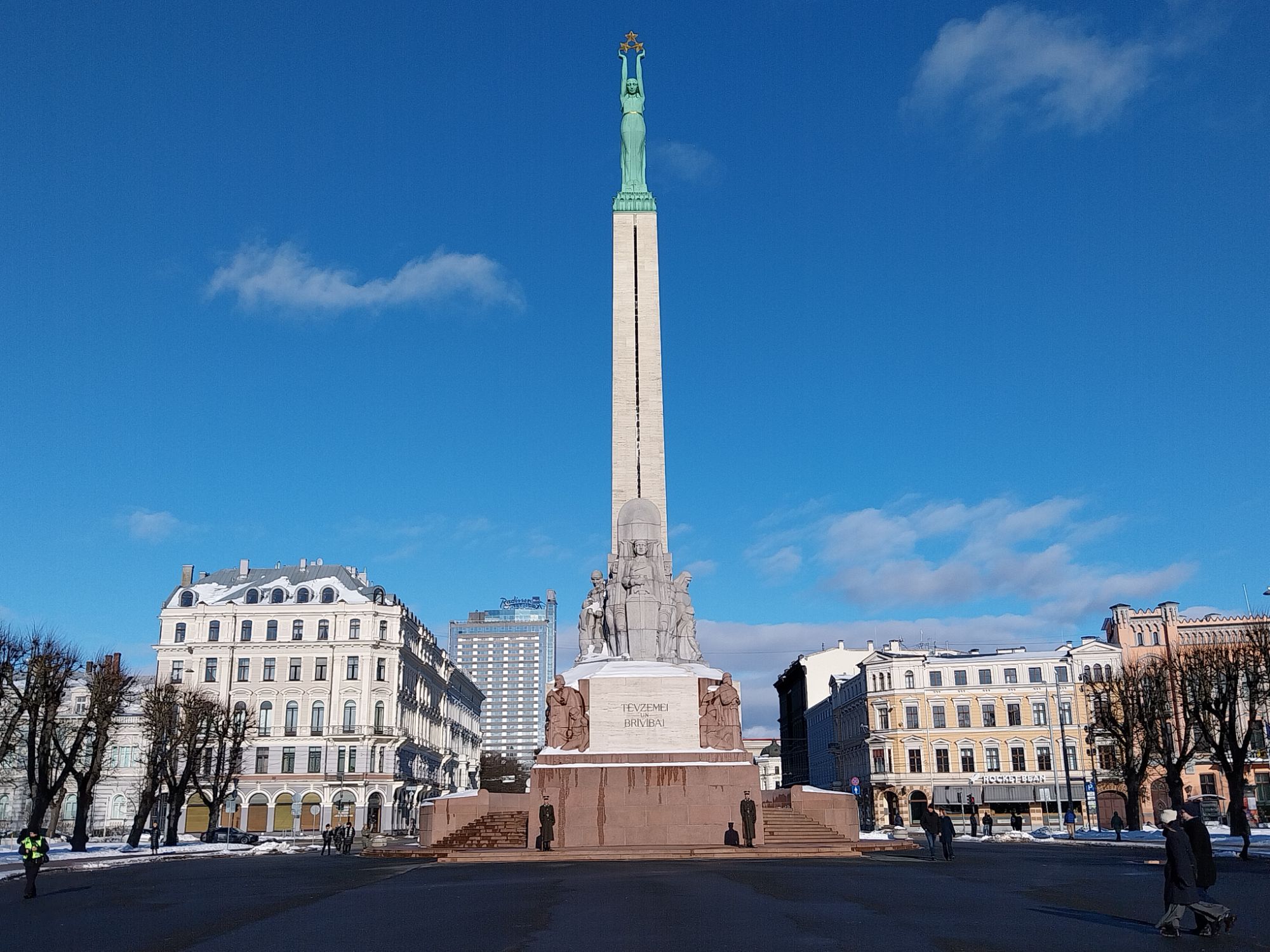
Riga has more than enough to fill your time for a long weekend – and in the next part of the blog we’ll look at options for exploring beyond the city.
TravelCaster Tips
Getting here : Riga is served by multiple airlines from the UK, Europe and beyond. The flying time from the UK is around 2.5 hours. You can also travel here by train from Tallinn in Estonia and Vilnius in Lithuania. The Seat 61 website has details of how to do the journey from London, via Berlin and Warsaw.
Orientation : Riga Airport is around 10 kilometres from the city centre. Take the Number 22 bus from outside the airport terminal and alight at the first stop after crossing the Daugava River at Grēcinieku iela – which then gives you direct walking access to the Old Town.
Public Transport : Buses and trams are run by Riga Satiskme. A single 90 minute ticket (which will cover most journeys) costs €1.81 while a 24 pass comes in at €5. You can pay for the airport bus on board, but for everything else you’ll need to buy a ticket before you board – machines are located at main bus and tram stops. Remember to validate your ticket for every journey. Train services are run by Latvian Railways which has a comprehensive network and good value fares. Buy tickets at main stations or on board.
Food and drink : Riga has an excellent selection of restaurants, bars and cafes. In the Old Town, expect to pay upwards of €15 for a main course with a 0.5 litre beer averaging between €5 and €7 in the main tourist areas. Much cheaper options can be found away from the Old Town and in Riga Central Market.
 TravelCaster
Leave a comment