
Journey overview
153 years ago, the North British Railway pioneered a service that was to become a benchmark for travel across the UK, in Europe and many other parts of the world. And for the first time this year, you’ve been able to embark on it from Birmingham, rather than the more glamorous locations of, say, Crewe. Or Preston.
But the real aficionados know that there’s only one place to board the Caledonian Sleeper for the full experience. And so it was that I trekked all the way south from my home in Nottingham only to immediately head back north again. That said, my journey could well have begun in Birmingham that night -as my connecting train was unexpectedly terminated at Leicester, with passengers shunted towards the West Midlands. In the end we changed at Nuneaton for the very efficient (and spacious) London North Westerrn to Euston.
The diversion proved to be a blessing in disguise, since London Euston is the starting point for the sleeper train. I’d booked a Club Class room on board, meaning I could also take advantage of the lounge in London. The interior was thankfully nicer than the outside view.
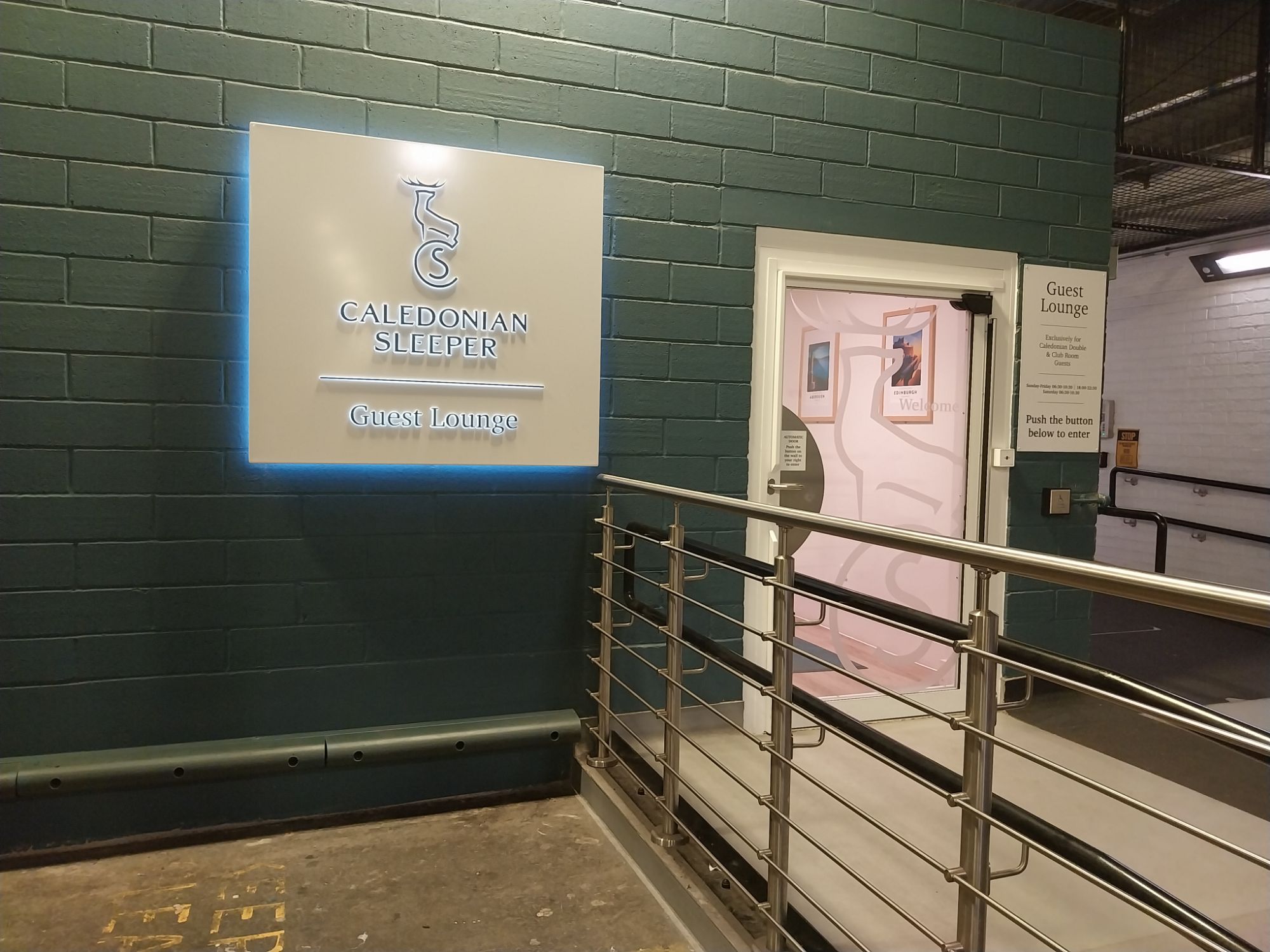
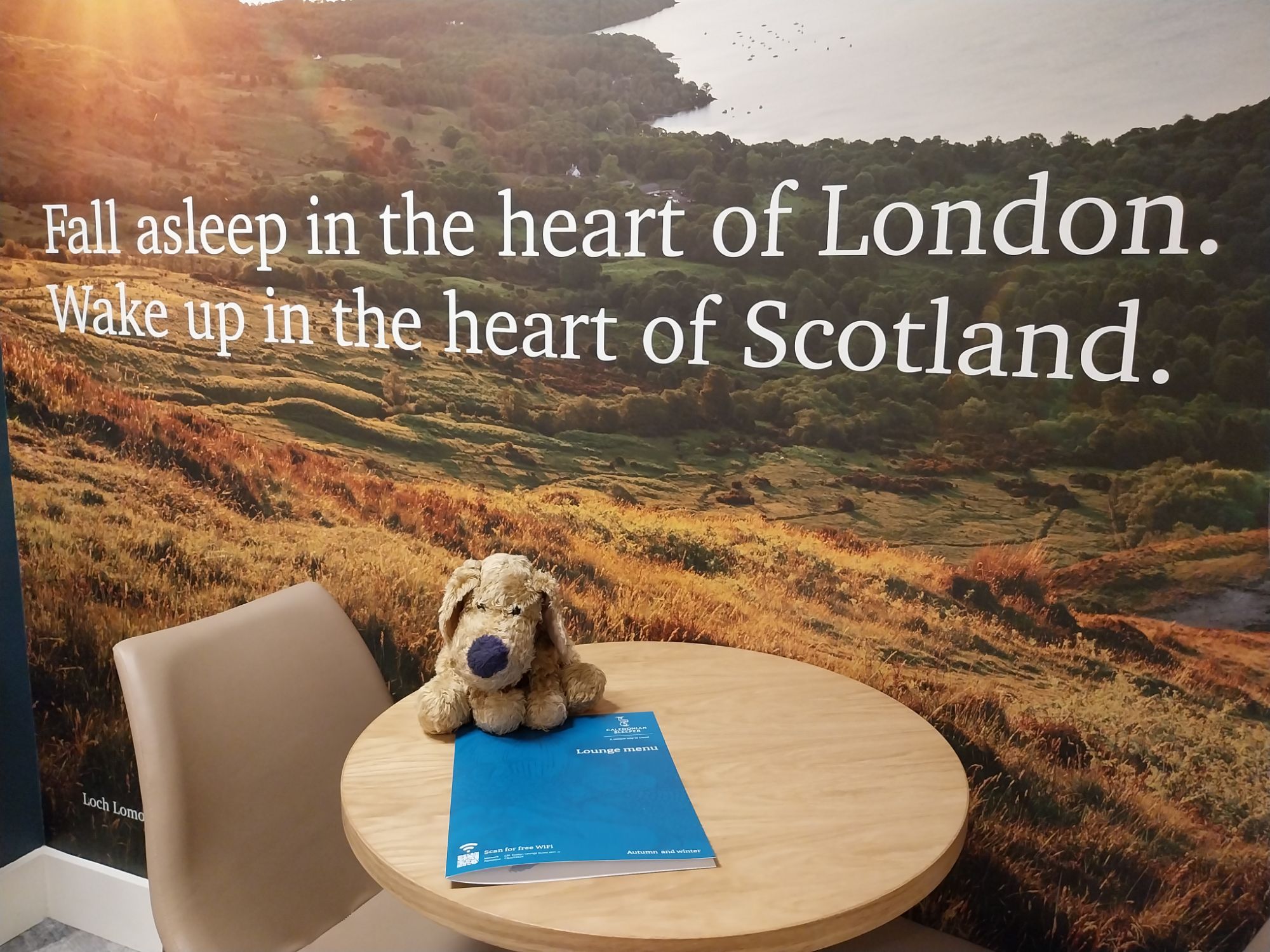
Having paid a premium price for the room on board (£210 with a 25% discount), perhaps I expected something a little… well, nicer in the lounge. The seating was comfortable enough (though just a tad too functional rather than luxurious and the choice of free refreshments was a bit limited. Tea, coffee, soft drinks, a fruit bowl or a couple of cakes. You can pay for hot food and other snacks in a menu that mirrors the one on board the train. This is useful if you want to eat before travel, as the restaurant on the train itself can get busy.
And so to boarding – about half an hour before departure. But do make sure you’re in the right place – because the Caledonian Sleeper is, in fact, two trains serving five different locations. My service – the Highlander – splits at Edinburgh for onward travel to Aberdeen, Inverness and Fort William. There are helpful staff everywhere to guide you to the correct car.
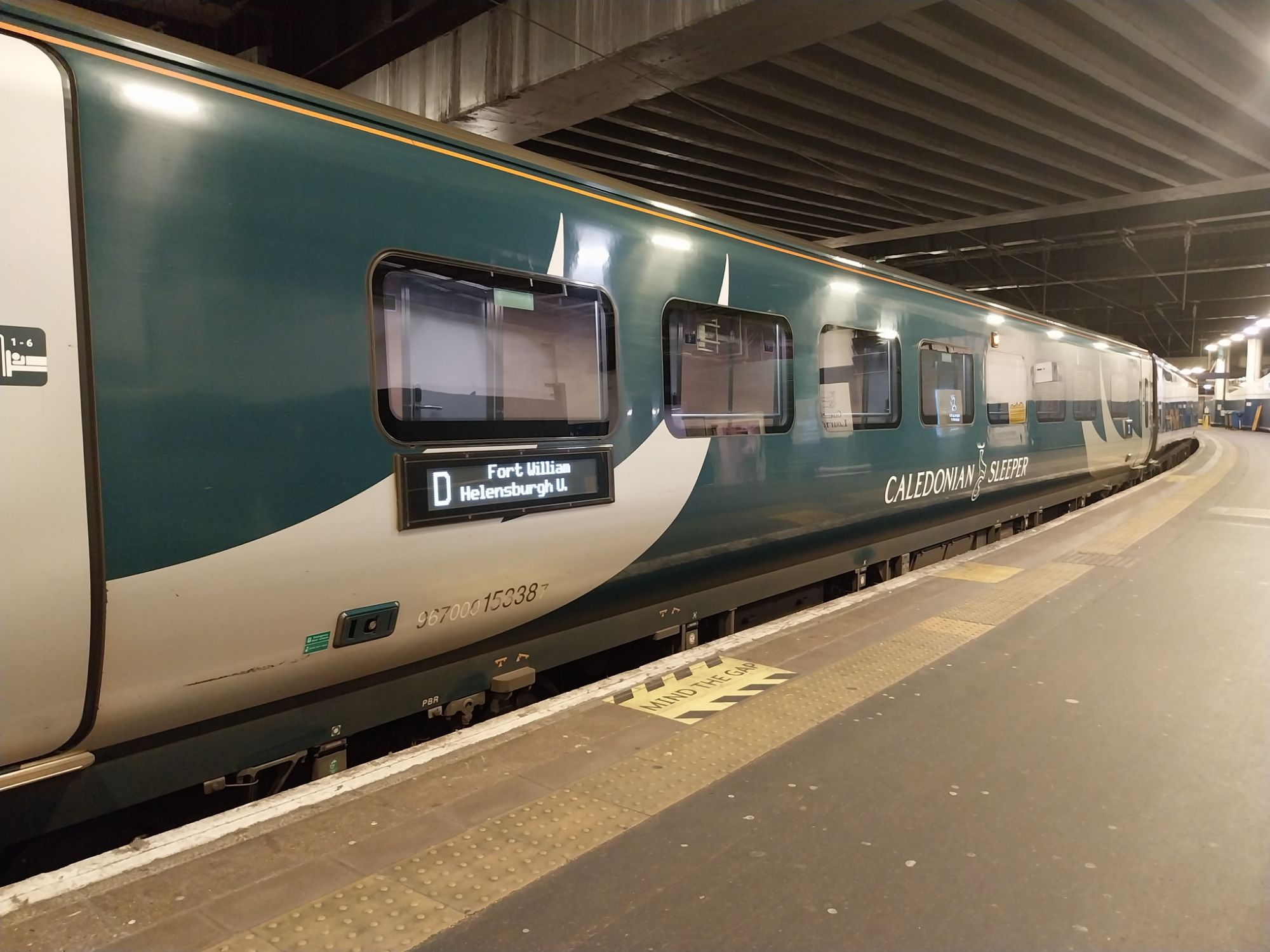
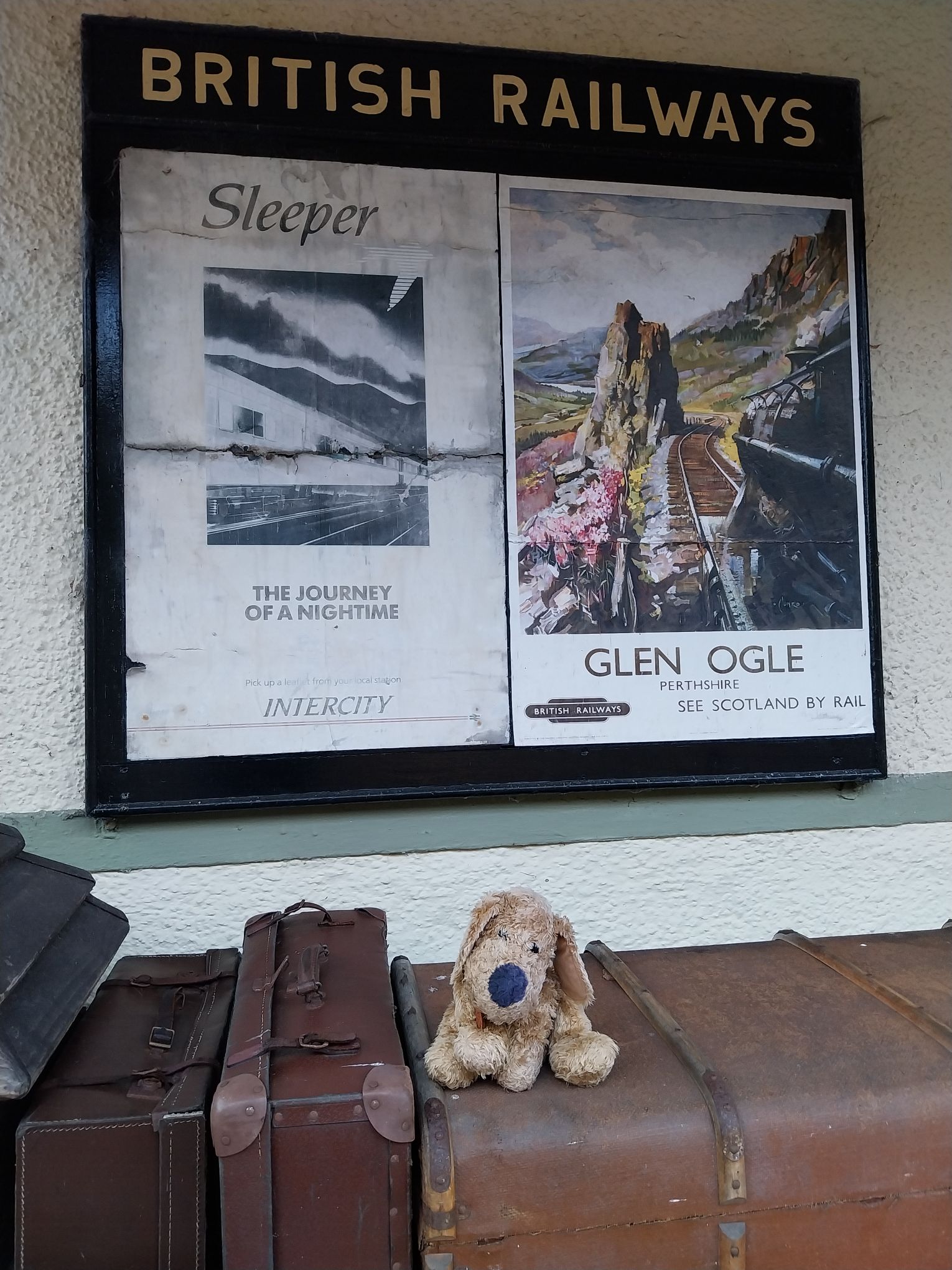
Like many night trains, the Caledonian Sleeper offers a choice of seating and beds. At its most basic, a seat in the main coach – from there, you can book a room that you may end up sharing with someone else (or not, if you’re a couple or in a family), or go for sole occupancy. Here, there are three choices. A Classic room has a shared bathroom at the end of the coach, or a Club Room which includes a toilet and a shower. Again, this isn’t glamorous by any standards – but remember, you’re travelling hundreds of miles and getting a bed for the night. At the very top end of the range you can select a double bed. For most though, it’s a bunk. Barely enough room to swing a cat – which happens to be one of NewsMutt’s favourite pastimes.
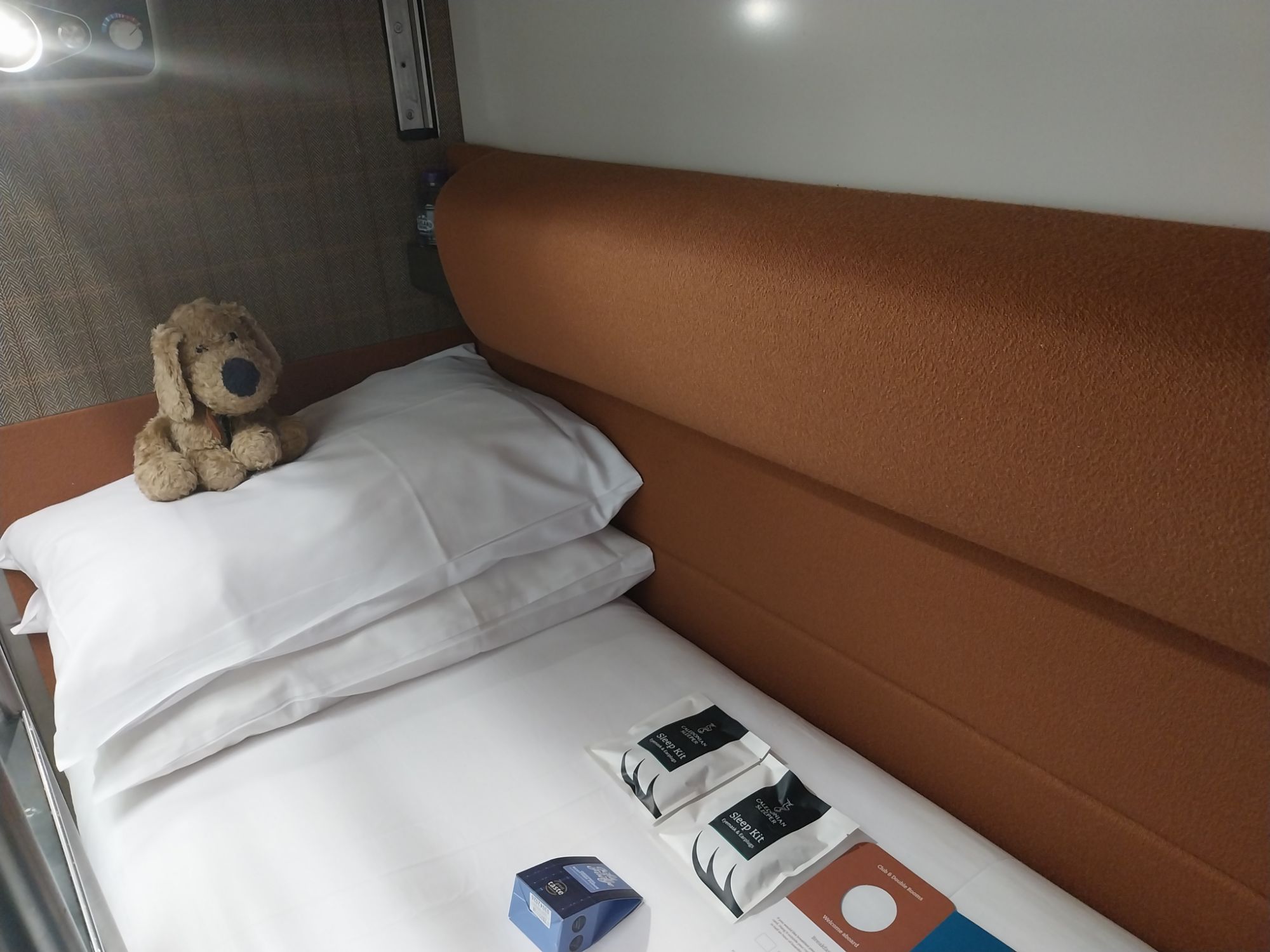
With no cats in sight, I felt safe enough to leave him guarding the room (which does lock with a key card, by the way) and explore the dining options in the Club Car. For many, this is one of the highlights of the Caledonian Sleeper – many in Europe don’t have full catering or a bar. We’ve barely left Euston, but already there are two couples and a group of hiking lads making the most of it. Unlike the lounge, there are no free drinks (even soft ones) here. But for a train, the prices are reasonable. And there’s the chance to get into the true Scottish spirit by sampling a fine single malt to help you sleep.
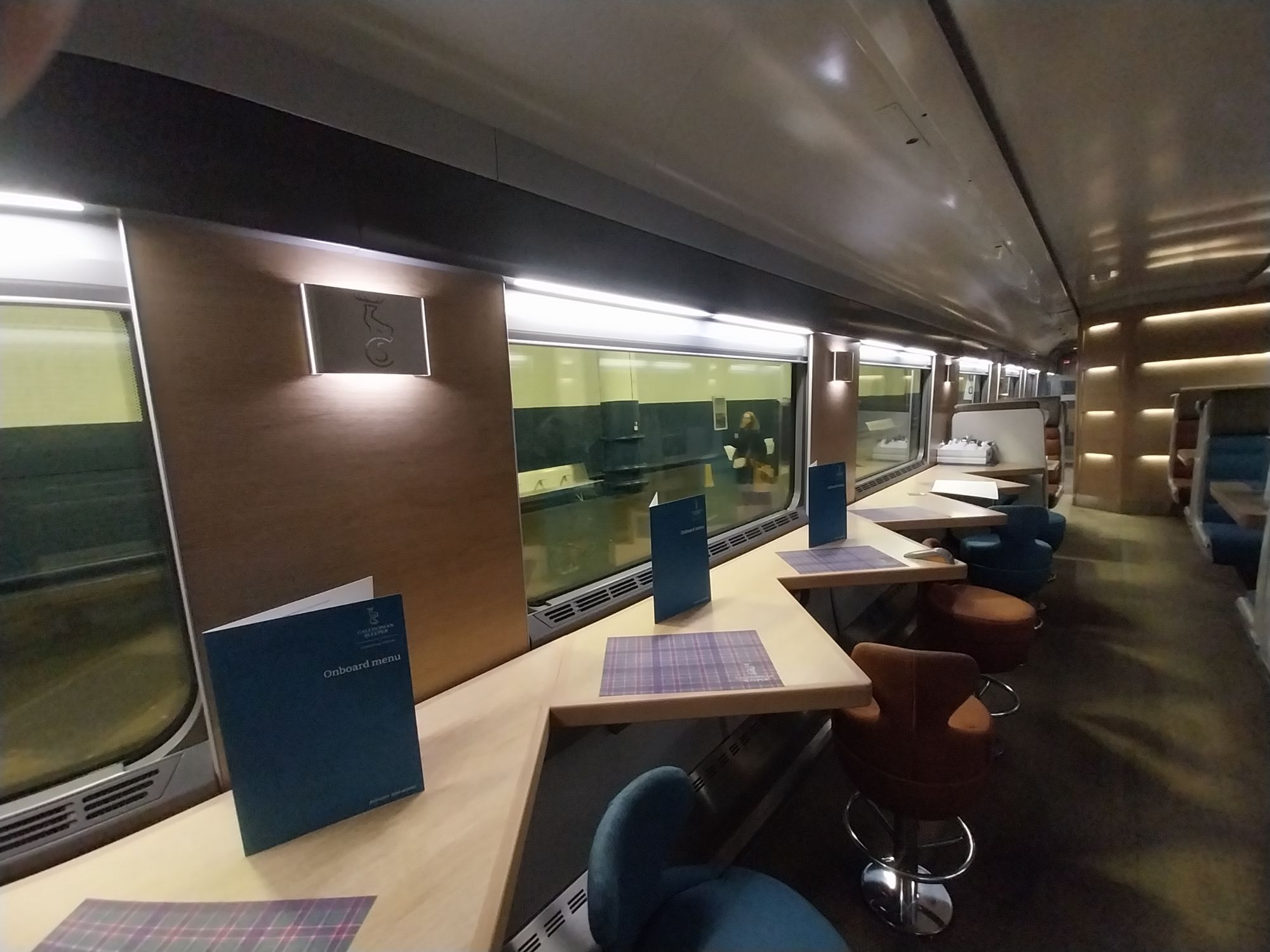
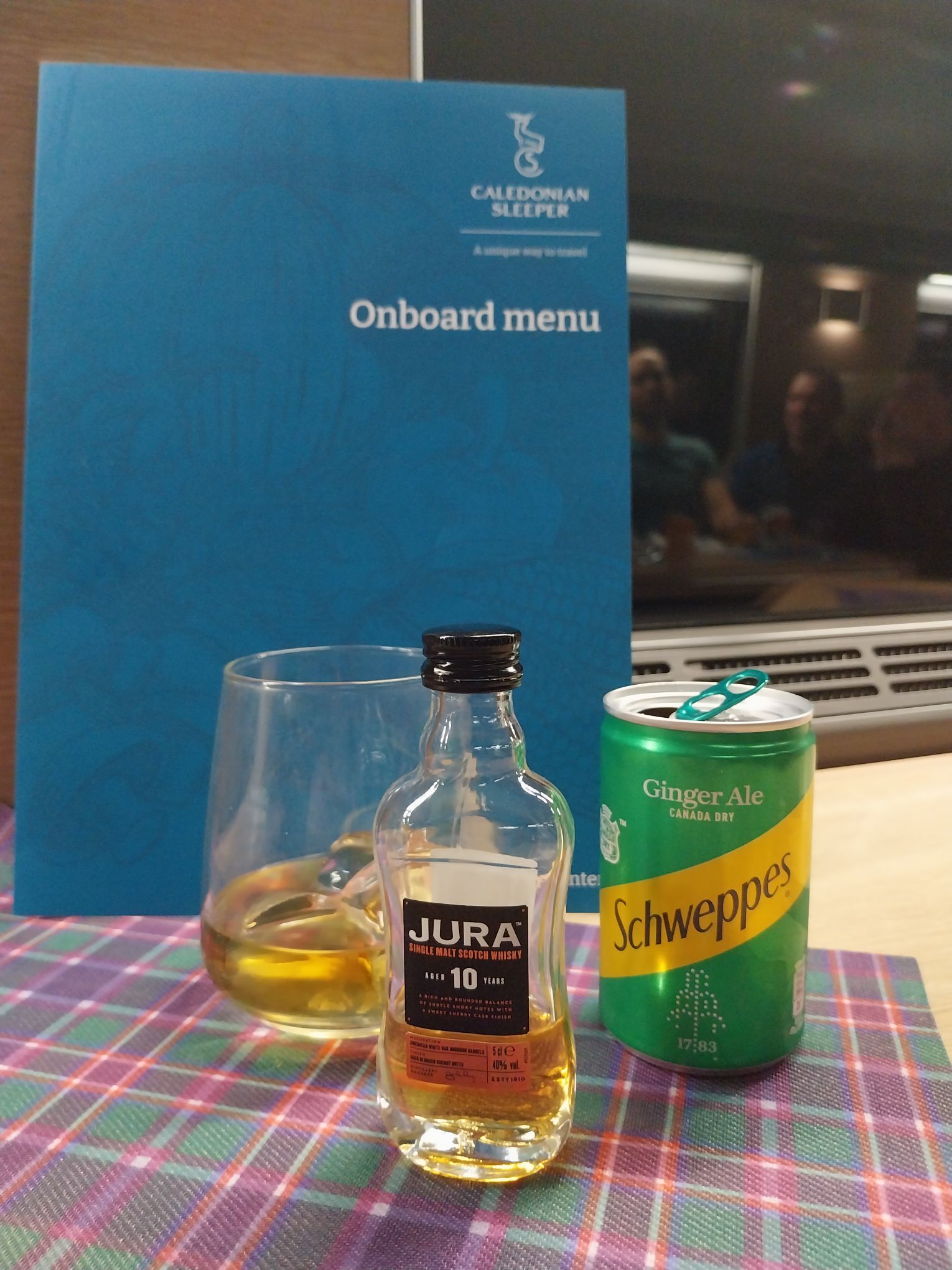
The Club car is helpfully open until 1am – though it’s worth noting that priority is given to passengers in the Club level rooms. If you’re in the basic car, you can order items from the menu which are brought to your seat. And – given that this is a 16 car train that splits at Edinburgh, there are actually two Club Cars – though you’ll only ever be able to access one.
Sleeping on board a sleeper train – this is what you’ve come here for, right? And yes, while the bed is comfortable enough, and while the room is reasonably soundproofed, there’s no getting away from the fact you’re on a moving machine. The train crosses many points, navigates many curves and stops, sometimes abruptly, and usually just at the moment when you’re finally getting off to sleep. A decent meal and a couple of drams will help – unless you’re prone to travel sickness – in which case you are probably reading the wrong blog.
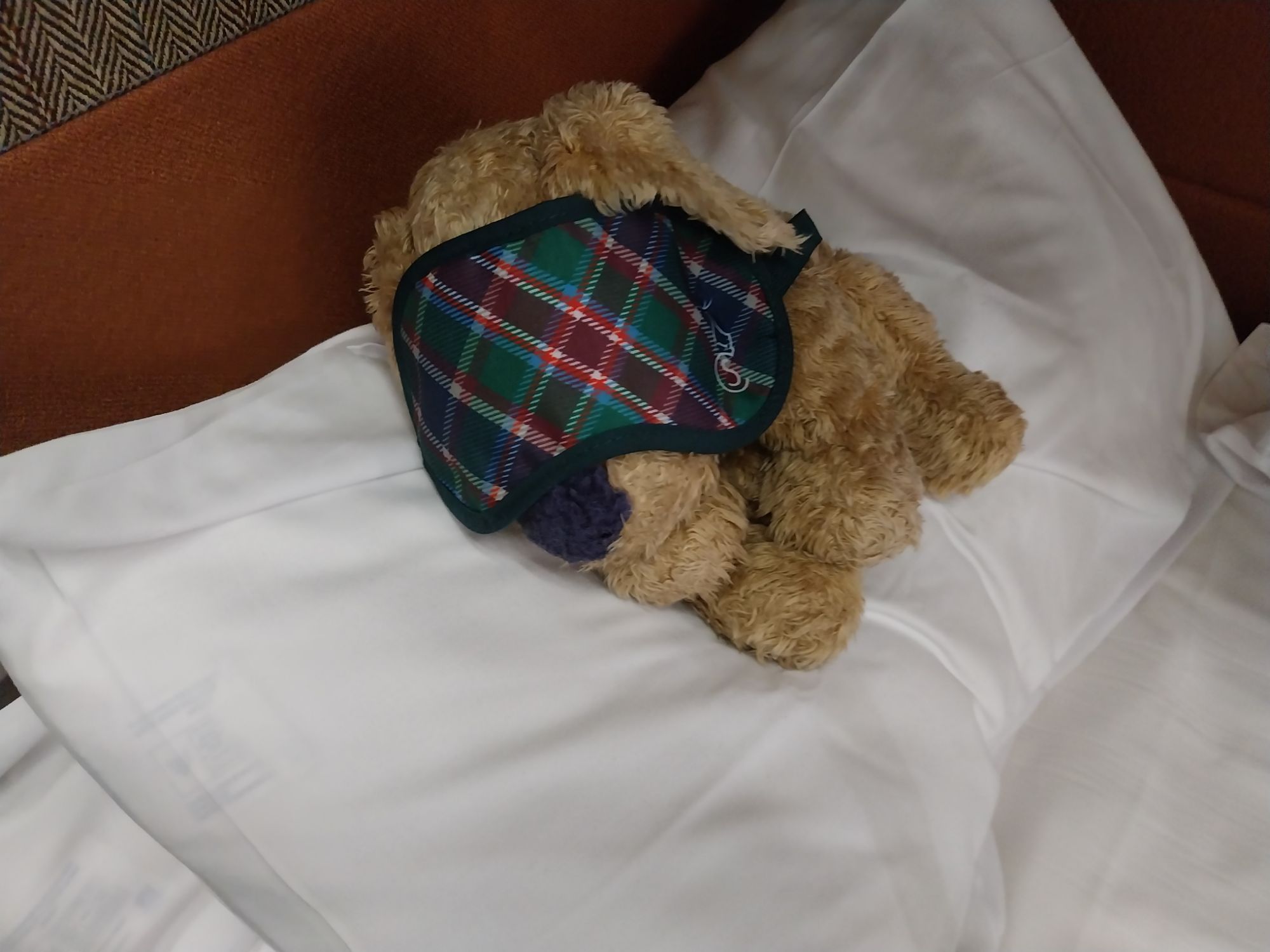
One of the downsides of the Caledonian Sleeper is that there’s no equivalent daytime service – so you can’t appreciate the scenery as you travel through the night. But when heading north, the best views are arguably towards the end of the route. And depending on the time of year, you might just wake up to something rather stunning. I’ve deliberately chosen the Fort William train because it snakes up the beautiful West Highland Line. As the sun rises, we pass through tiny stations like Bridge of Orchy.
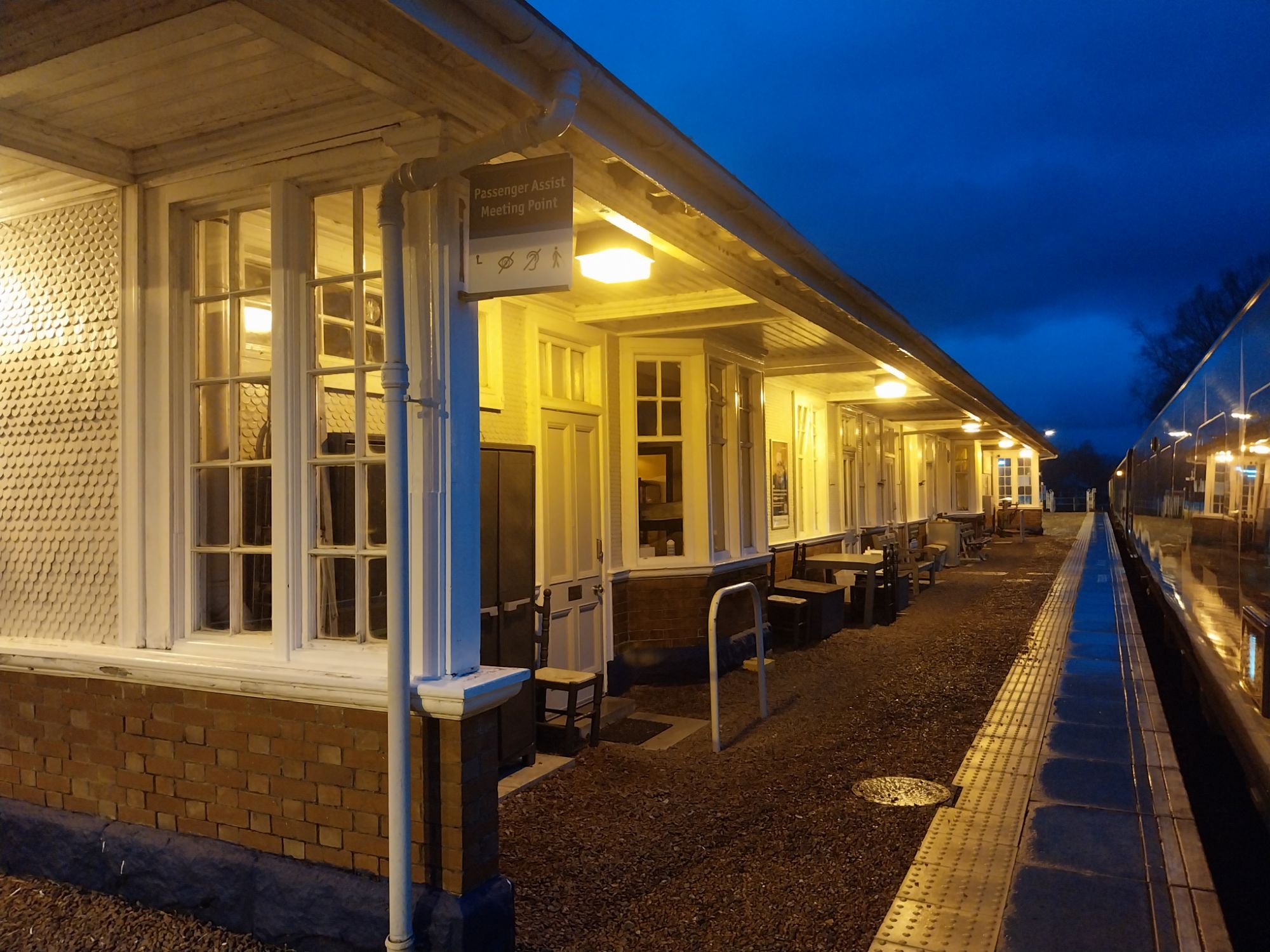
Although run and maintained by Scotrail, these calling points are often lovingly tended by volunteers, who “adopt” a station. As well as regular cafes, they often have small rooms, open 24 hours a day, offering tea and coffee, a book and a warm place to shelter – all paid for through honesty boxes.
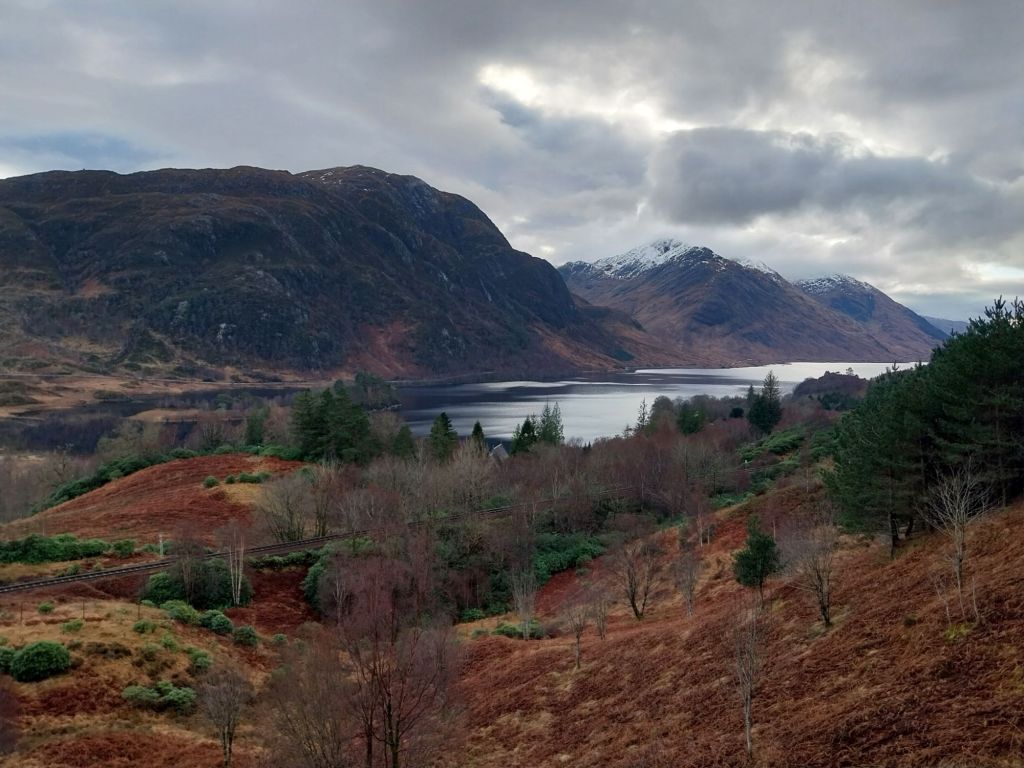
The line climbs steadily to Corrour Station – Britain’s highest, at 408 metres above sea level. We’re now deep in the middle of Rannoch Moor, a desolate but beautiful wilderness. The station is only accessible by train or a twenty mile hike, and in recent years has become home to a remote B&B and restaurant. From the train, enormous views open our of mountains, moorlands, streams and lochs. This is the Highlands you’ve come to see, and it doesn’t disappoint.
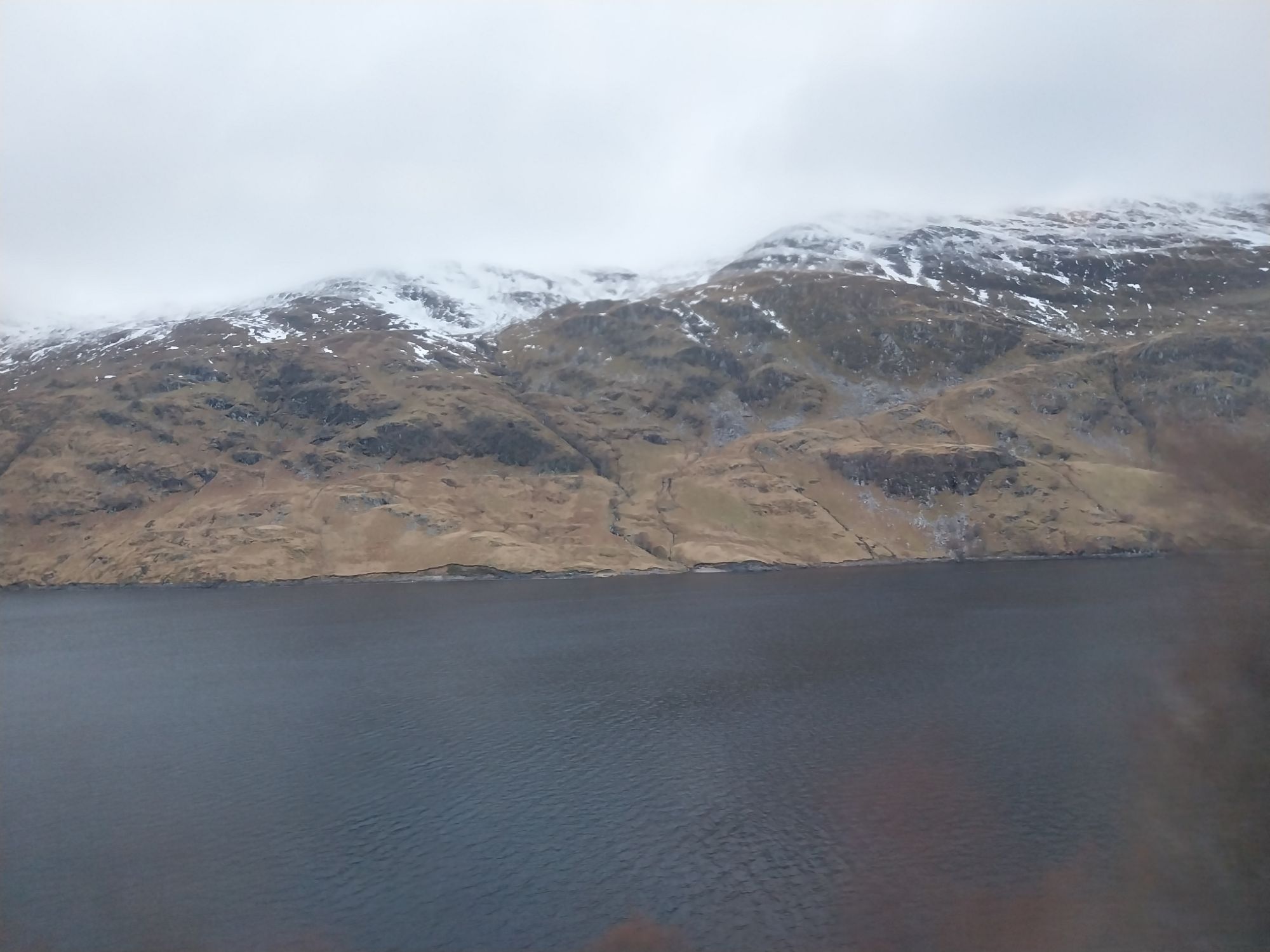
After three hours of picture postcard views (more if you travel in the Summer), arrival at Fort William is, well, underwhelming. There’s no getting away from it – the Northern terminus of the Caledonian Sleeper is not a pretty sight. And, I may as well say it, neither is the rest of the town.
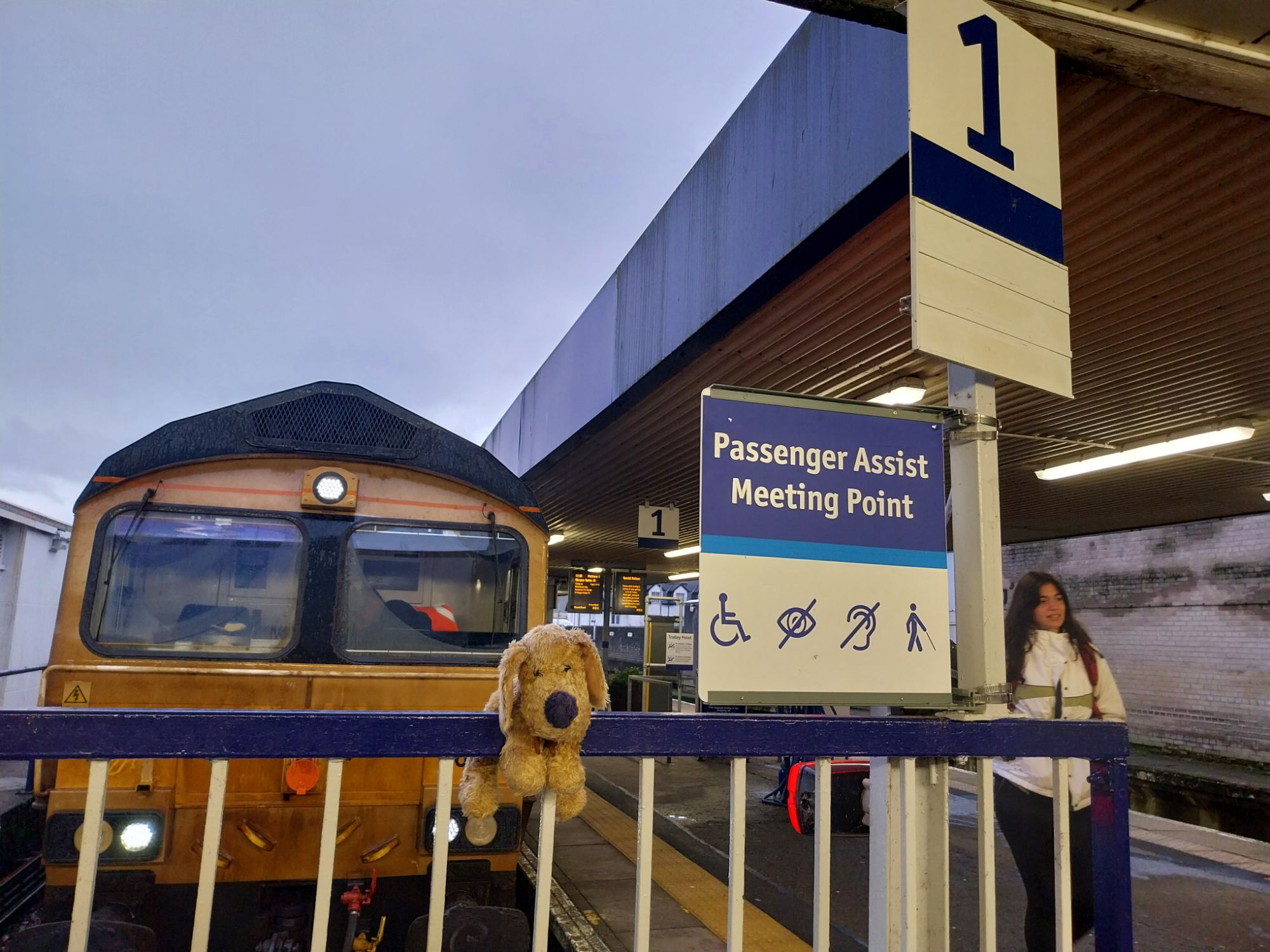
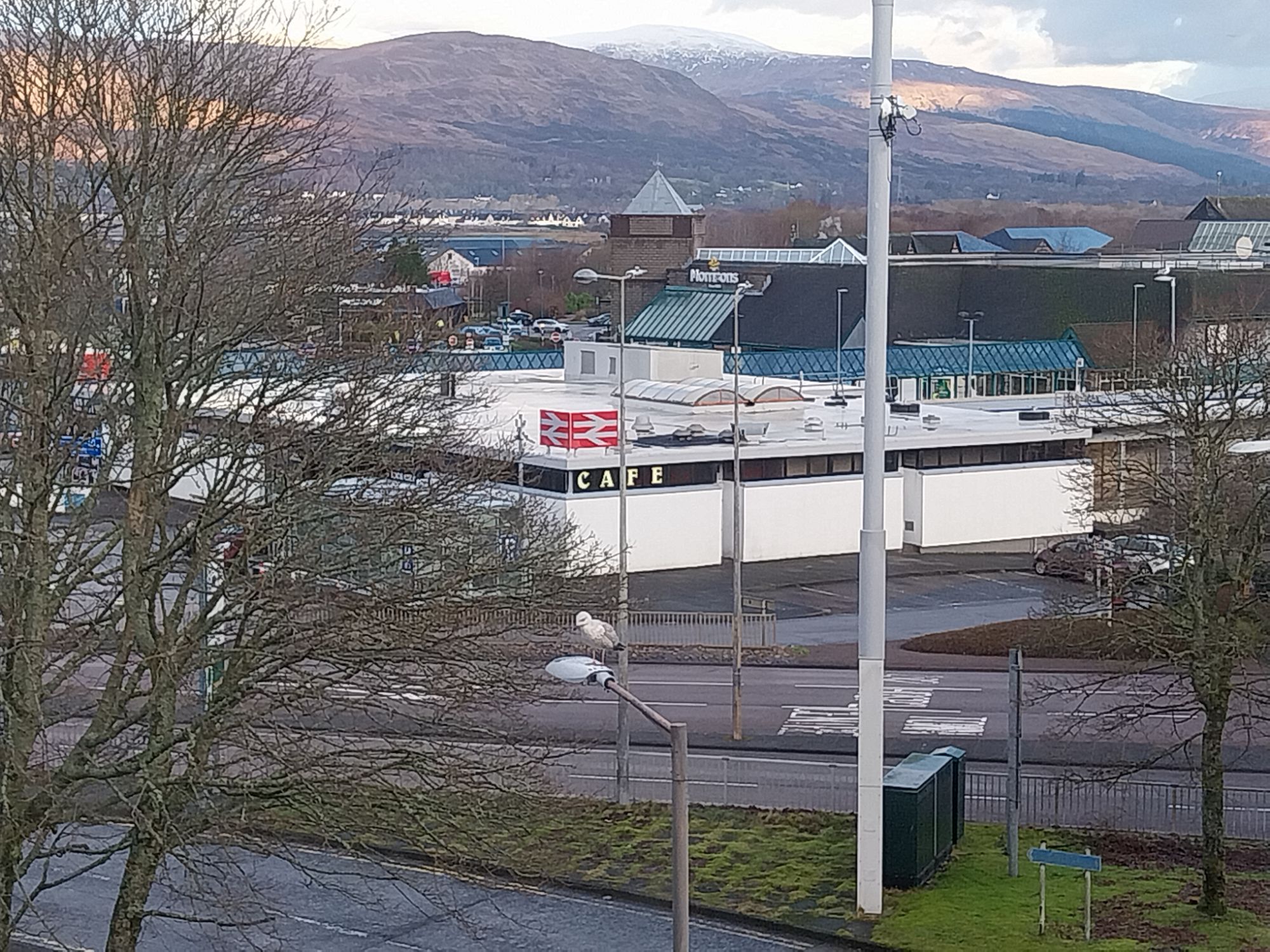
Don’t get me wrong – I received a very warm welcome from my hosts at the Alexandra Hotel. And the volunteer guide at the West Highland Museum couldn’t have been more helpful. I even stifled a frown when being charged £6.50 for an IPA in the Ben Nevis Inn. But Fort William is essentially a gateway to much nicer things.
The history of this area is much better told by others, like the travel writer Robin McKelvie, who penned this article for the National Trust for Scotland. But as he says, you can’t escape the fact that this place has become somewhat more famous because of JK Rowling. And – because I love trains – there’s a railway connection too.
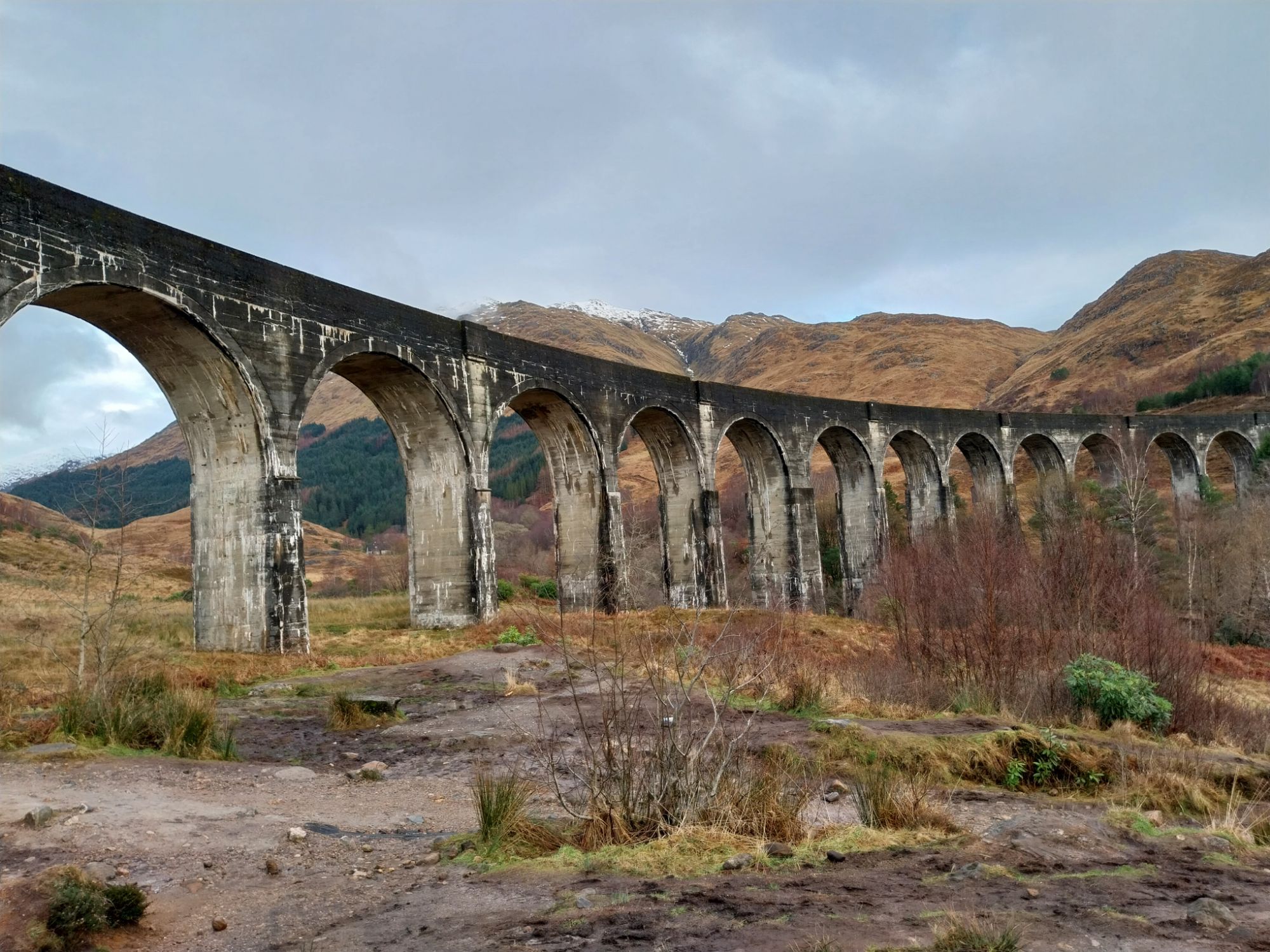
This is Robert McAlpine’s Glenfinnan Viaduct. 381 metres long and 30 metres high, it towers above the valley below. During the season, the Jacobite steam train thrills passengers who want to become Harry Potter, Which is all very well. But for considerably less money you can take the regular train from Fort William to Mallaig and get pretty much the same experience. And the best experience of all is to alight at Glenfinnan station and walk the Viaduct Trail.
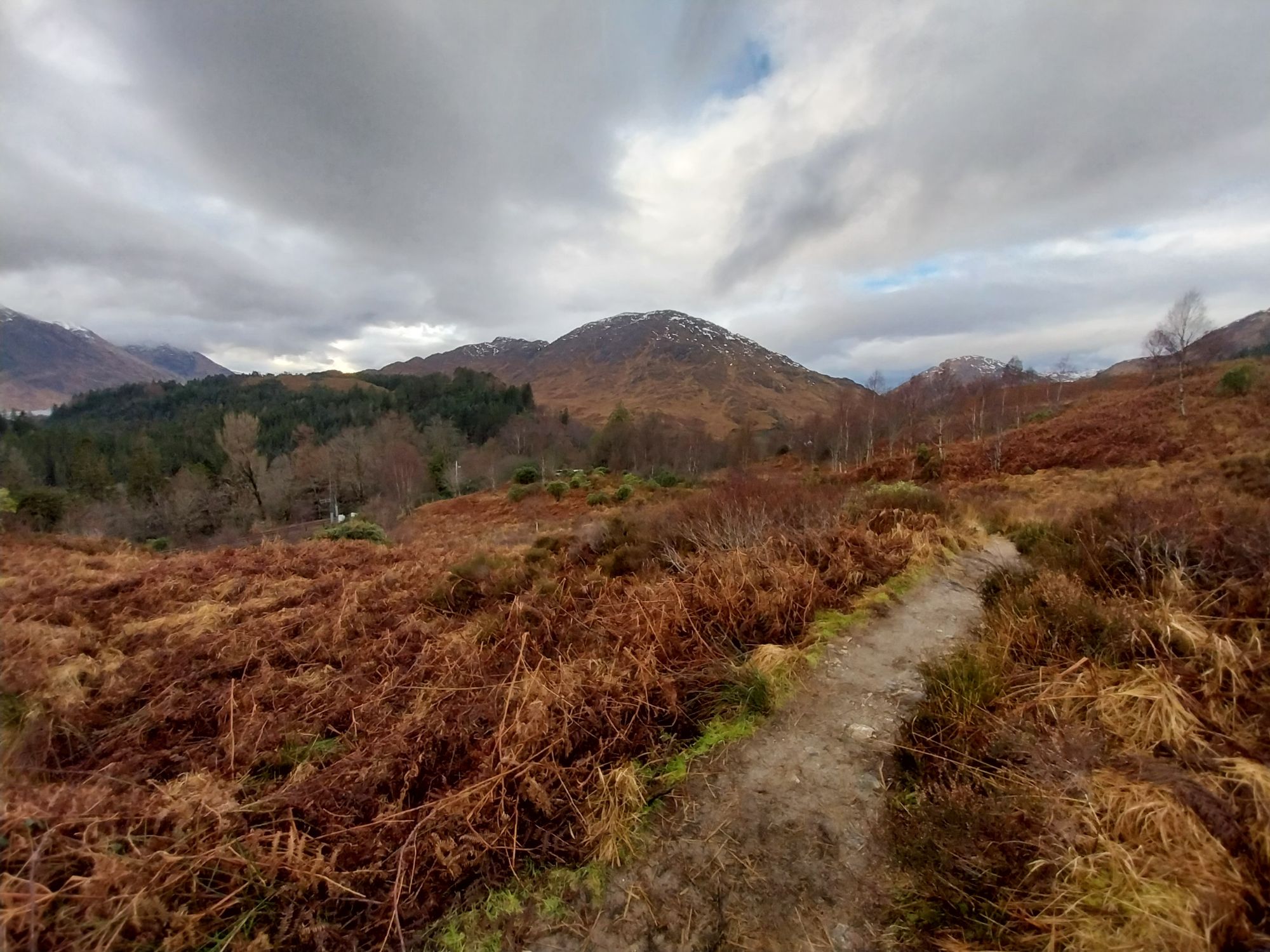
I’m pleased to be here in January, not least because it’s beautifully quiet, but it’s also well away from midge season. Insects love me and my sweat – I can attest to this after years of many bites on hard to reach parts of the body. So if you’re coming here it’s best to bring some repellent. Your dog will also thank you for it.
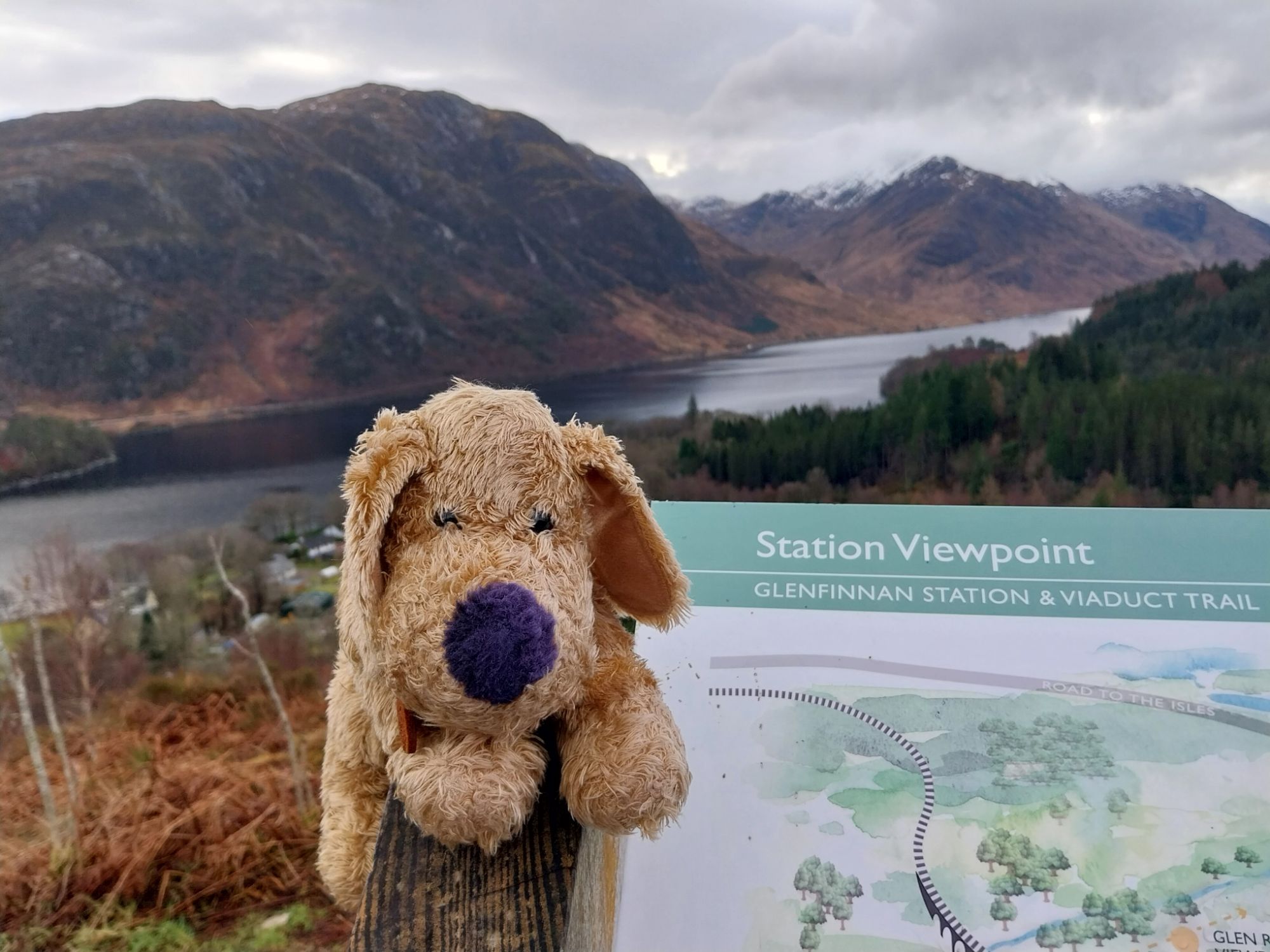
The trail is easy to follow – though steep and slippery in places. As well as the viaduct, you’ll be rewarded with perfect views of Glenfinnan and Loch Shiel. Just below the viaduct, a path along the crystal clear River Finnan takes you to the National Trust car park and visitor centre. Again, January affords views with fewer people and more tranquility, where even the most amateur of photographers can snap a memorable picture.
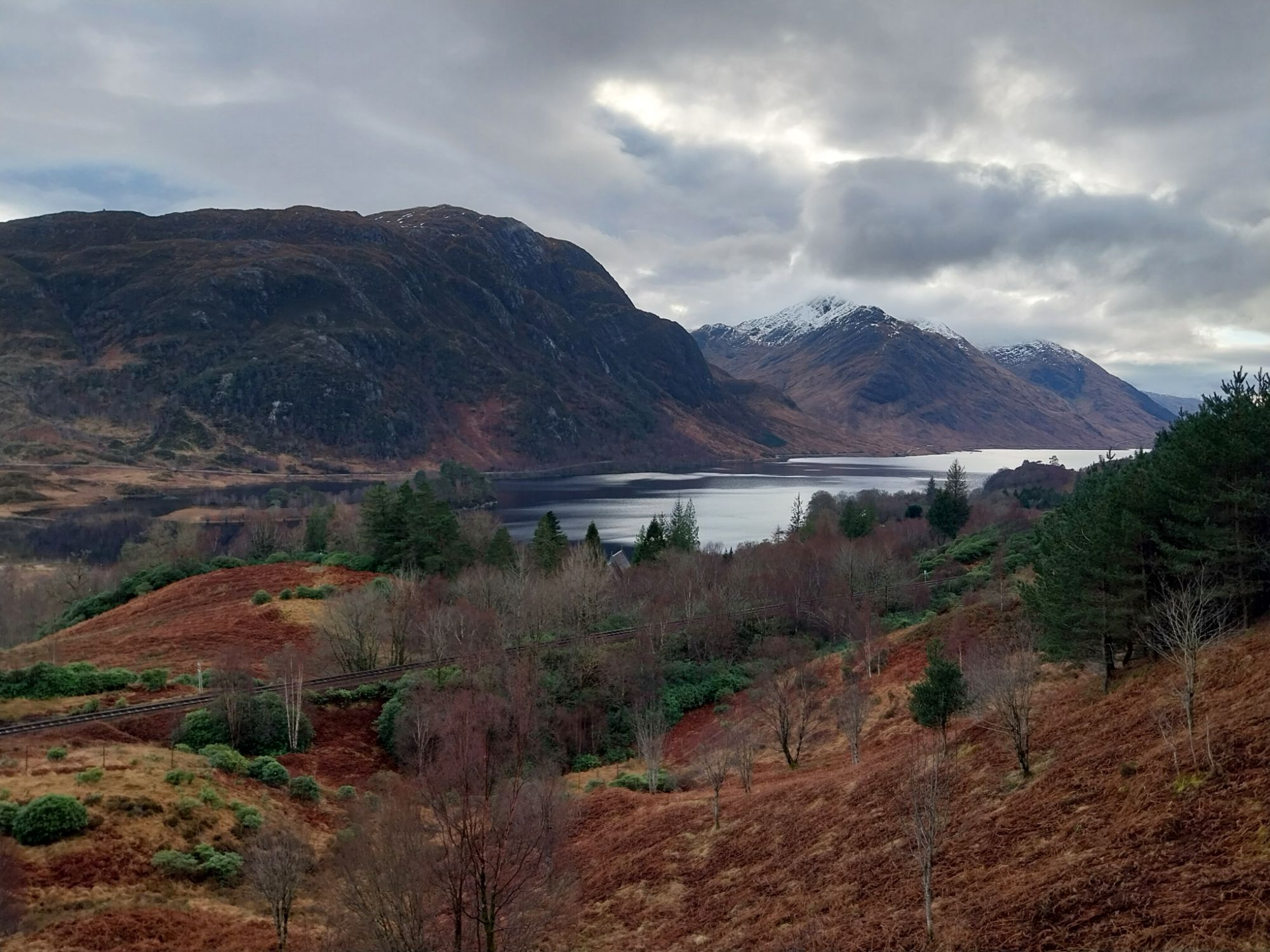
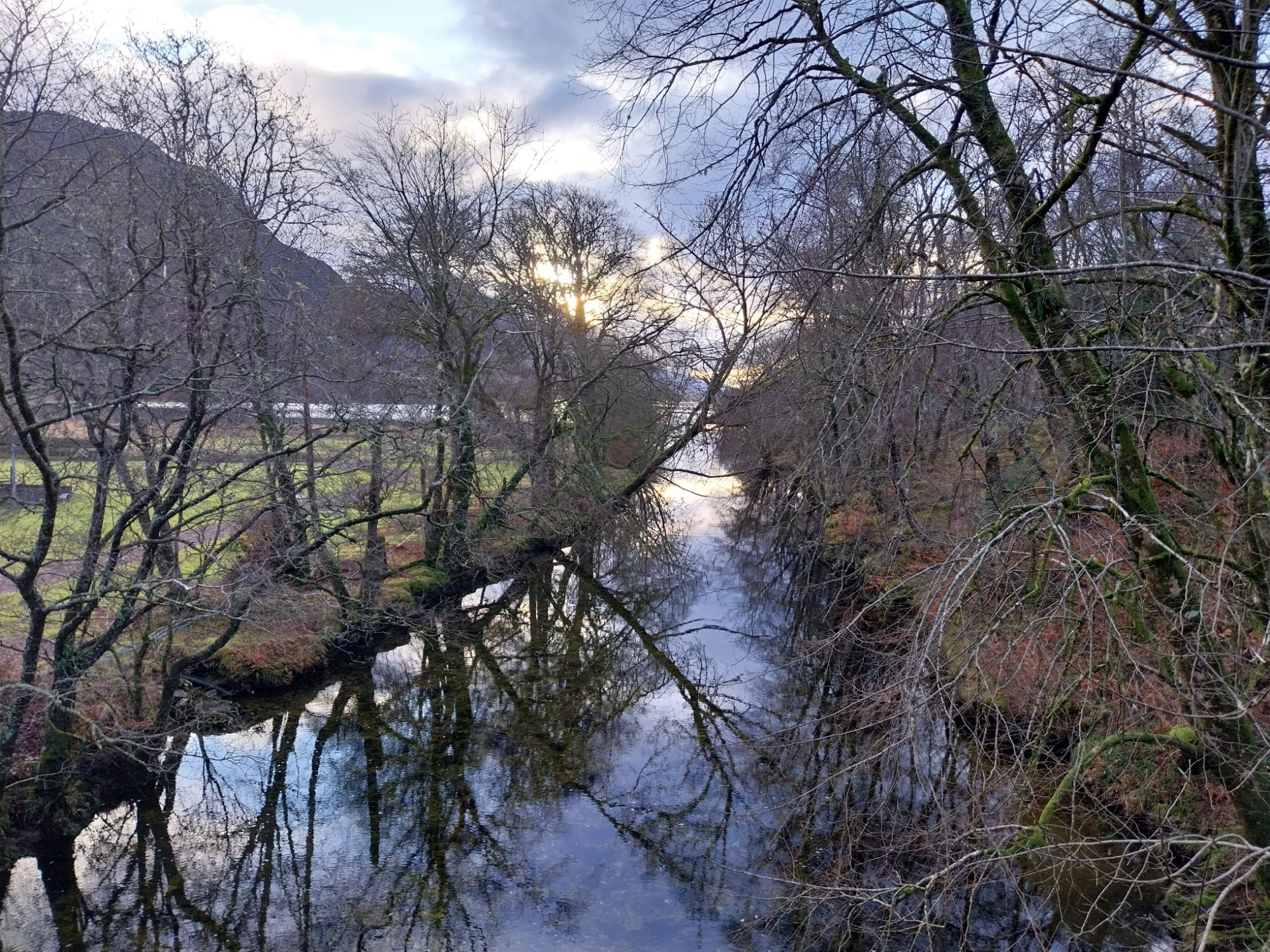
This is Scotland at its best – out of season and with pleasantly mild and dry weather. That doesn’t happen every day! And the advantage of the Sleeper is you can get a reasonably early start on your adventure as soon as you arrive. This has been a journey I’ve wanted to take for some years. I’m pleased I’ve finally done it. NewsMutt, on the other hand, wants to post himself home.
TravelCaster Tips
Getting here : Fort William is 671 kilometres (417 miles) from London Euston by train. The Caledonian Sleeper runs every night except Saturday in both directions. You can also travel during the day – booking via National Rail – with a total travel time of about 10 hours. Alternatively, you could break your journey in Glasgow, with onward travel to Fort William taking around 3 hours.
Orientation : Fort William sits at the side of Loch Linnie, and provides a connecting point to other locations in the area. Buy Scotrail tickets online or at the station for connections to Glenfinnan and Mallaig – where you can connect via CalMac ferry to Skye and other islands. Citylink runs bus services to Inverness up to 6 times per day.
Food and drink : Fort William has a large choice of pubs and restaurants which are open throughout the year. You can expect to pay £15-£25 for a decent main course in a pub, and slightly more for specialities like seafood and prime meats. A beer will cost between £4 and £6.50.
 TravelCaster
Leave a comment