
For the final part of my journey, I’d been initially looking to stay in Brussels so I could connect with the Eurostar train back to London. But being such a compact country means there are plenty of better, less busy and cheaper options nearby. I’d previously ticked off the tourist towns of Bruges and Antwerp, but a friend had suggested Leuven as an alternative.

The picture doesn’t really capture just how busy or large the train station was, it’s historic facade hiding a network of modern add ons, a large concourse and multiple platforms. The plaza at the front also contains a striking memorial to the 200 Belgian citizens who were executed by the Germans here during the First World War. Leuven immediately presents itself as an important place in history.
Yet while its buildings tell stories of the past, the city today exudes youth; Leuven is home to Belgium’s biggest university and has 64,000 students. At the Grote Markt on a Thursday afternoon, there is immediate evidence of this and the posh private schools run here by the Catholic Church. Compared to Mechelen’s vast yet mainly empty Grote Markt, this one is a traffic thoroughfare – the main transport being the bicycle.
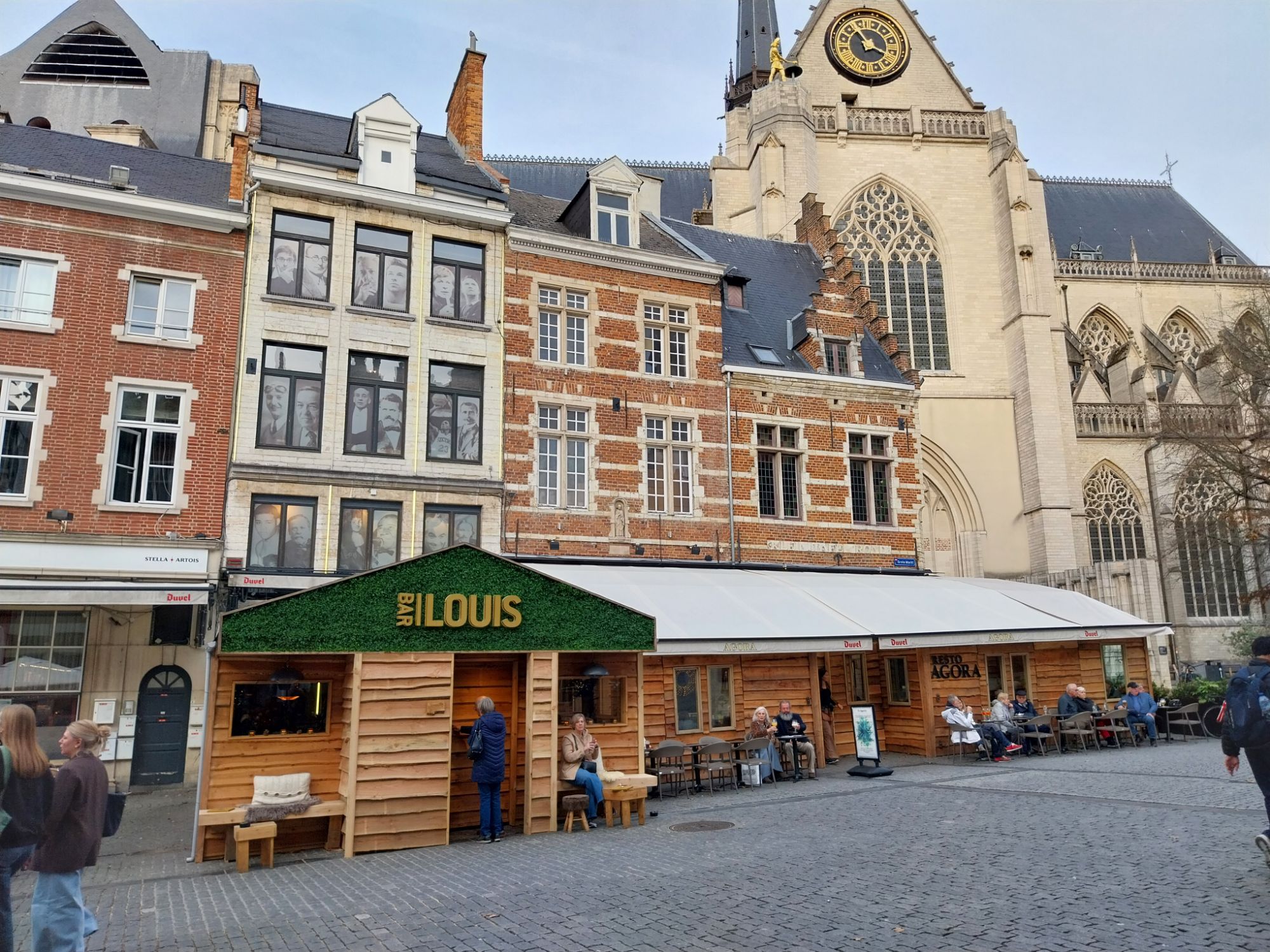
And what should be a proud display of heritage is spoiled here; many of the historic cafes and restaurants have ugly wooden huts attached to their fronts. In November, it’s presumably a preamble to the inevitable Christmas Market – and while it’s a great way to keep customers warm, it doesn’t seem right or in keeping with the elegant architecture that surrounds the area – especially when neighbouring establishments seem to be doing their bit to preserve the heritage.
I’ve chosen a hotel away from the city centre, mainly because the reviews of the one I had initially been booked in were full of complaints about noise. I’m later told that Thursday is the new Friday in Leuven, since many students go home for the weekend. As you would expect, beer is big here – and walking out of the edge of town Novotel, I’m reminded exactly why.
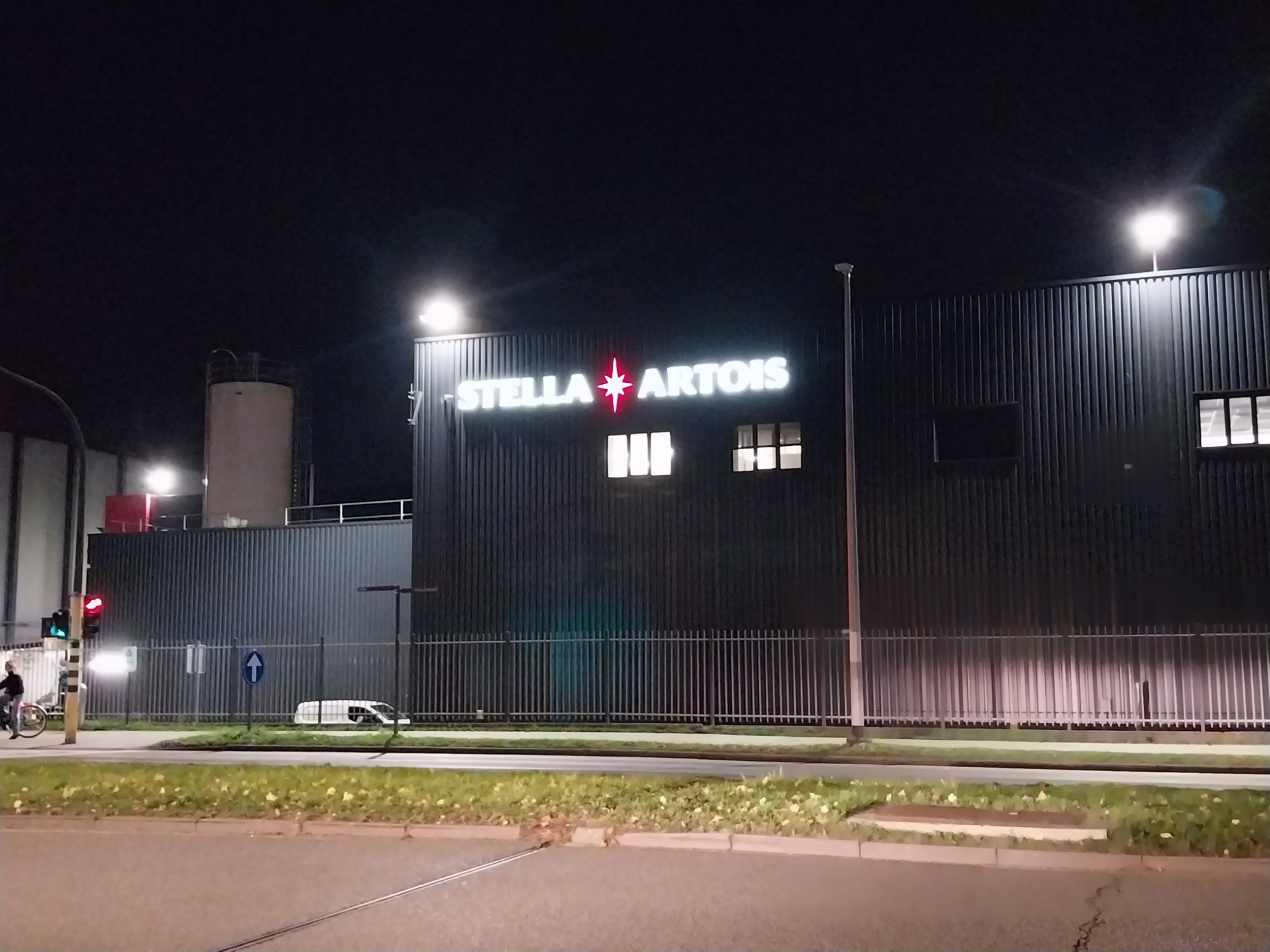
The Stella Artois brewery is neither historic nor elegant. The beer was actually first made in 1926, a mere pup compared to some of the other brands in Belgium. The owners are careful to note that that Leuven’s brewing tradition started in the 1300s. In the Uk, Stella was famously marketed as “reassuringly expensive”, but here a 33cl glass can be found for as little as €2.50.
And while it is sold in the majority of bars, it seems an insult to order Stella when there’s so much more on offer, not least when drinking in a Bruin Bar (brown bar) – characterised by dark wooden furnishings and an often genuinely fascinating history.
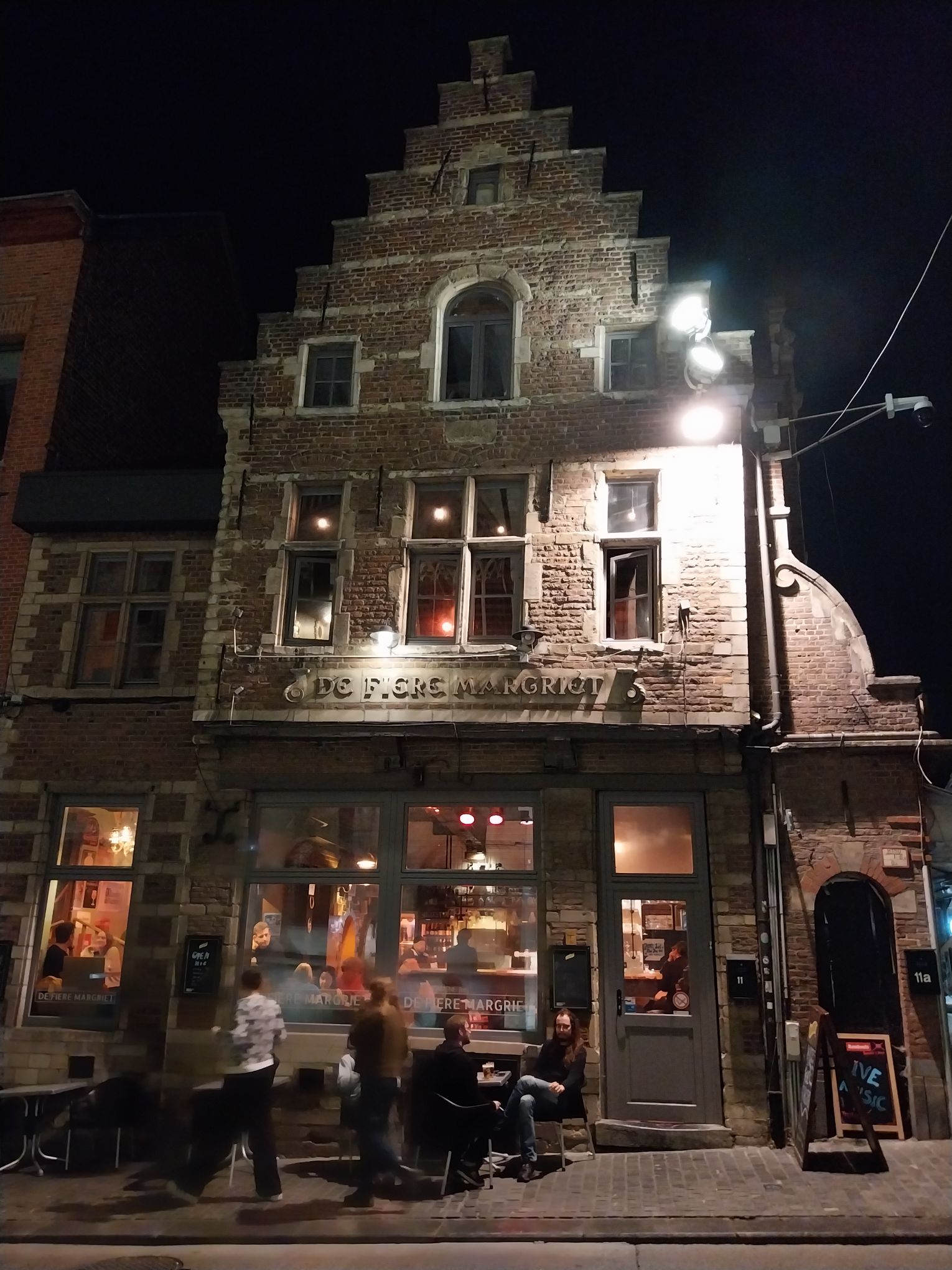
De Fiere Margriet is a perfect example; named after the legendary figure Proud Margaret – a local maid who was attacked and murdered by a bunch of robbers, only for her body to defy nature and float up the River Dilje and return as a ghost. Today, the bar is a centre of excellence for discovering Belgian beer. The owner is extremely knowledgeable, helping customers select something they’ll like, and then subsequently recommending further beer to their taste.
And they’re not overly proud either. When I announce I’m leaving, the owner recommends other great places to drink.
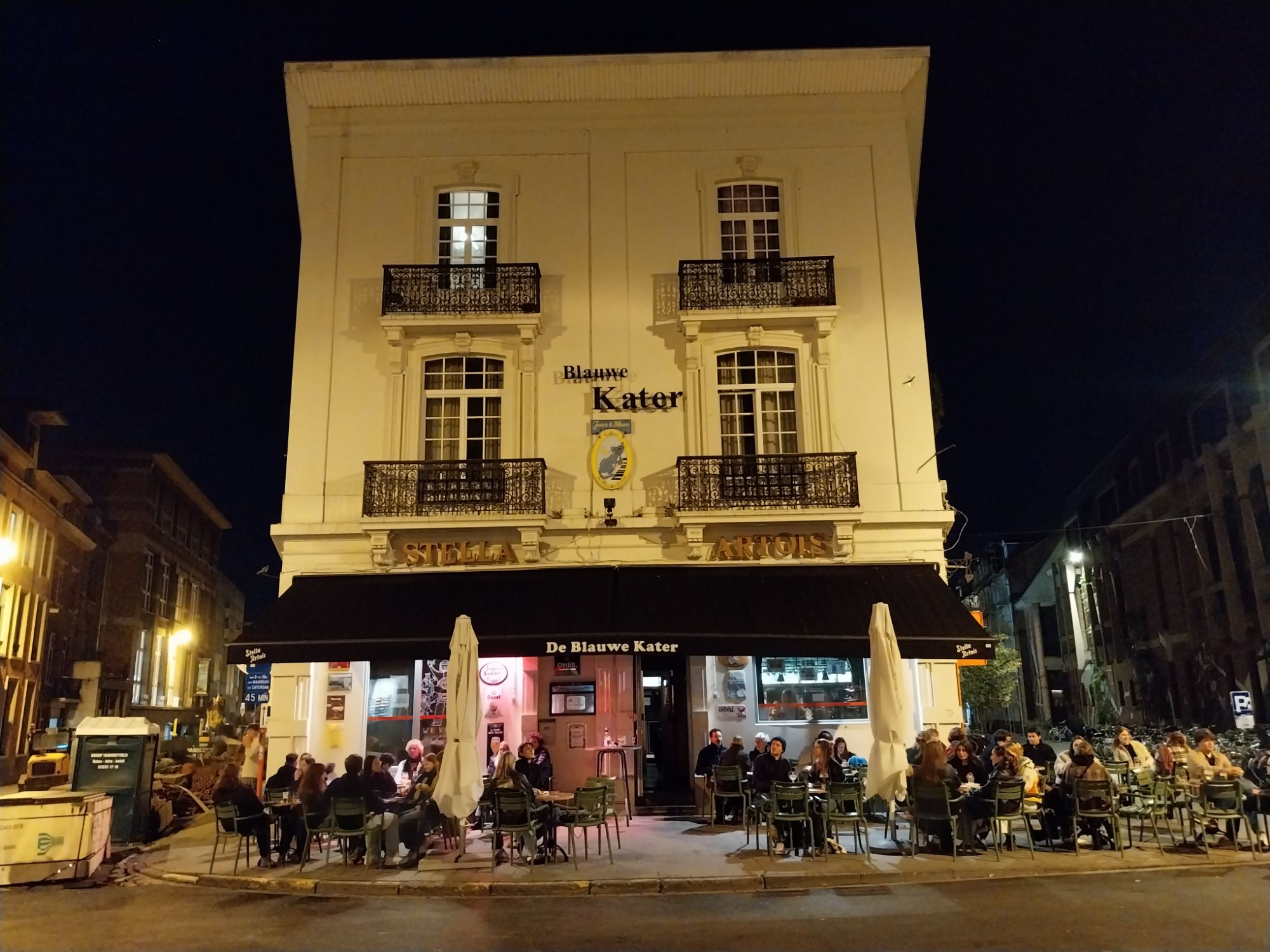
The Blue Cat is – by any standards – a magnificent recommendation. The bar often runs blues and jazz nights, but tonight is rammed with students. One – from Australia – is there with his mum. And here’s where independent travel comes into its own. He recommends heading out of the city centre to see one of the sights; the Arenburg Campus of the university. The next morning, under a sparklingly bright November morning, I take the number 2 bus.
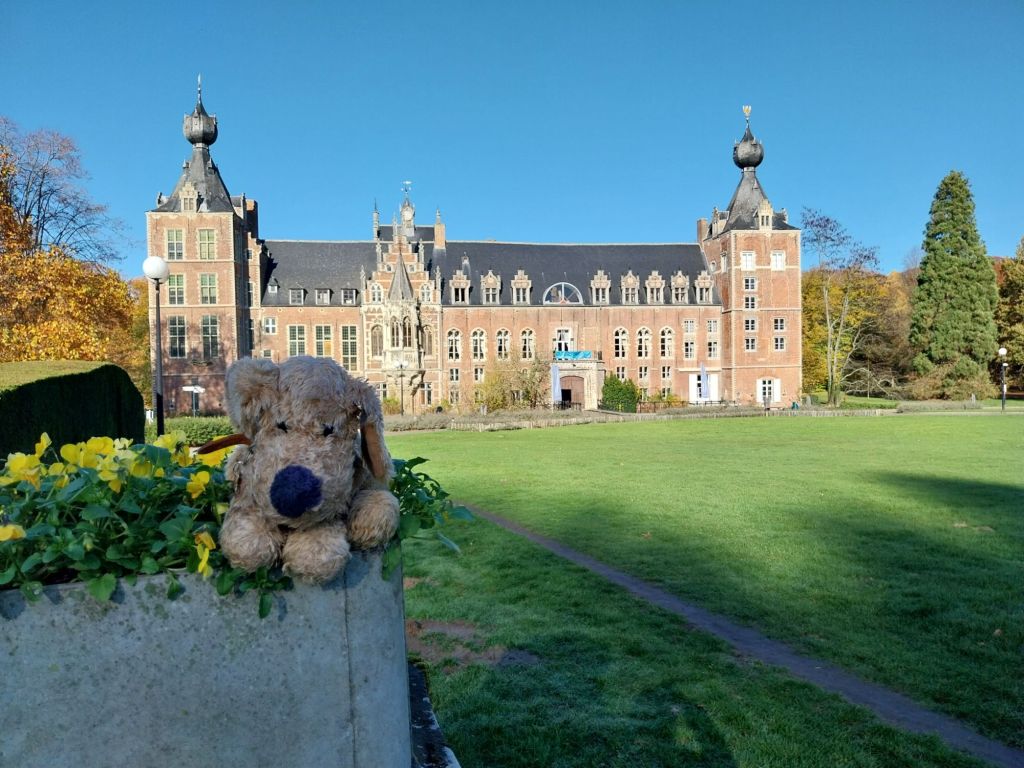
The campus lies in the leafy suburb of Haverlee. At the end of a tree lined lane, modern buildings are nestled among trees and parkland. And then the main attraction reveals itself.

Dating back to the sixteenth century, the castle was built by the Duke of Arenburg, and remained as a family home until the First World War, when it was gifted to the University. There are weekly guided tours, but anyone can visit the parkland and view this and other buildings nearby. It’s worth walking along the moat to see the mill with its working water wheels.

Back in the city there is elegance in architecture at every turn. At the time of writing, the Town Hall in the Grote Markt is being renovated, due to reopen in 2029. However, if you gaze above the hoardings at ground level and try to switch off the constant noise of the construction work you can still appreciate its intricate detail.

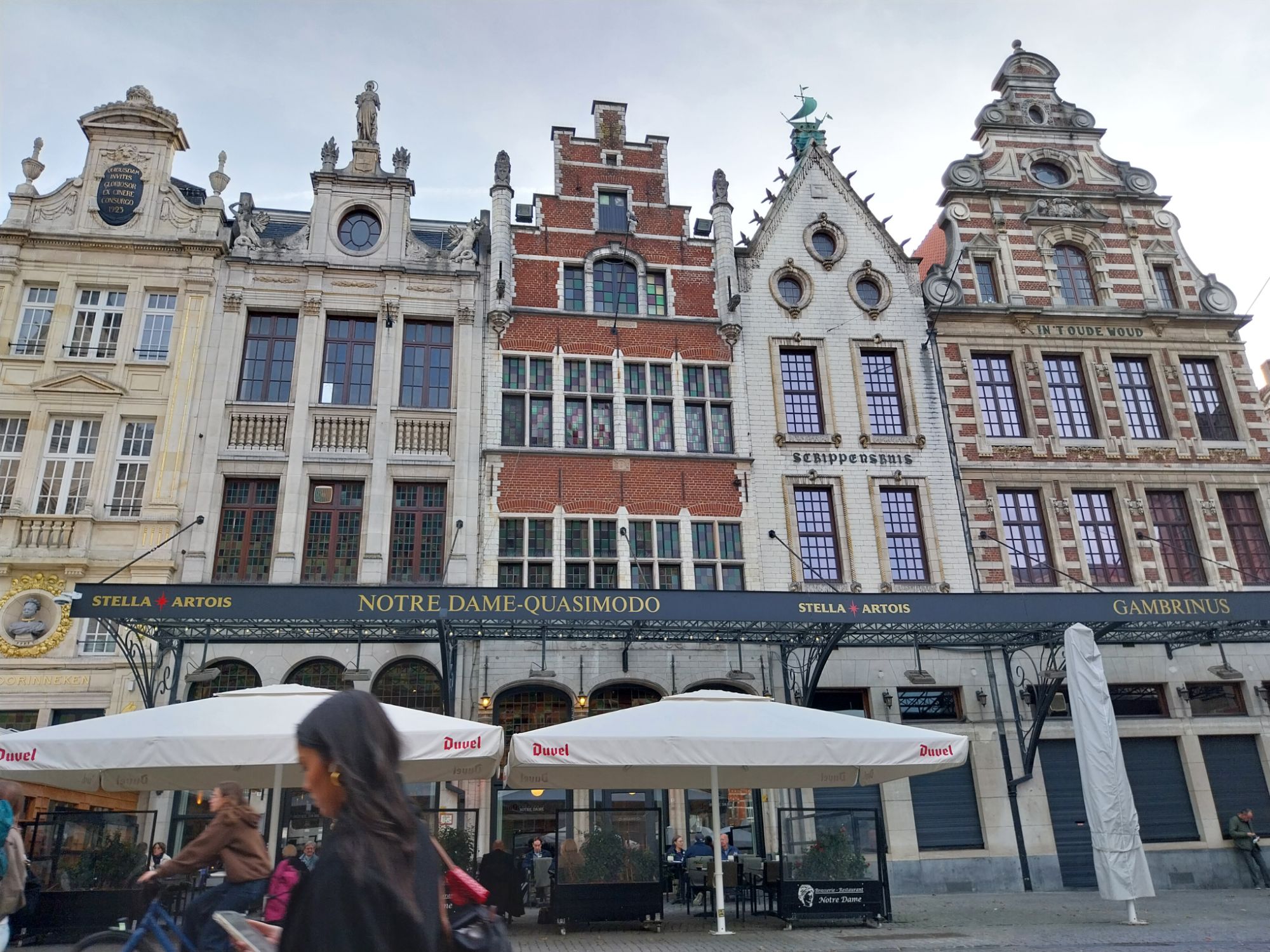
Just around the corner, there’s more classical artwork in the buildings around the vast Oude Markt (Old Market) – though at night, the site has earned the nickname of the “world’s longest bar” due to its continuous line of watering holes. Perhaps predictably for a university city, they attract a young crowd, along with the tourists who clearly know no better.

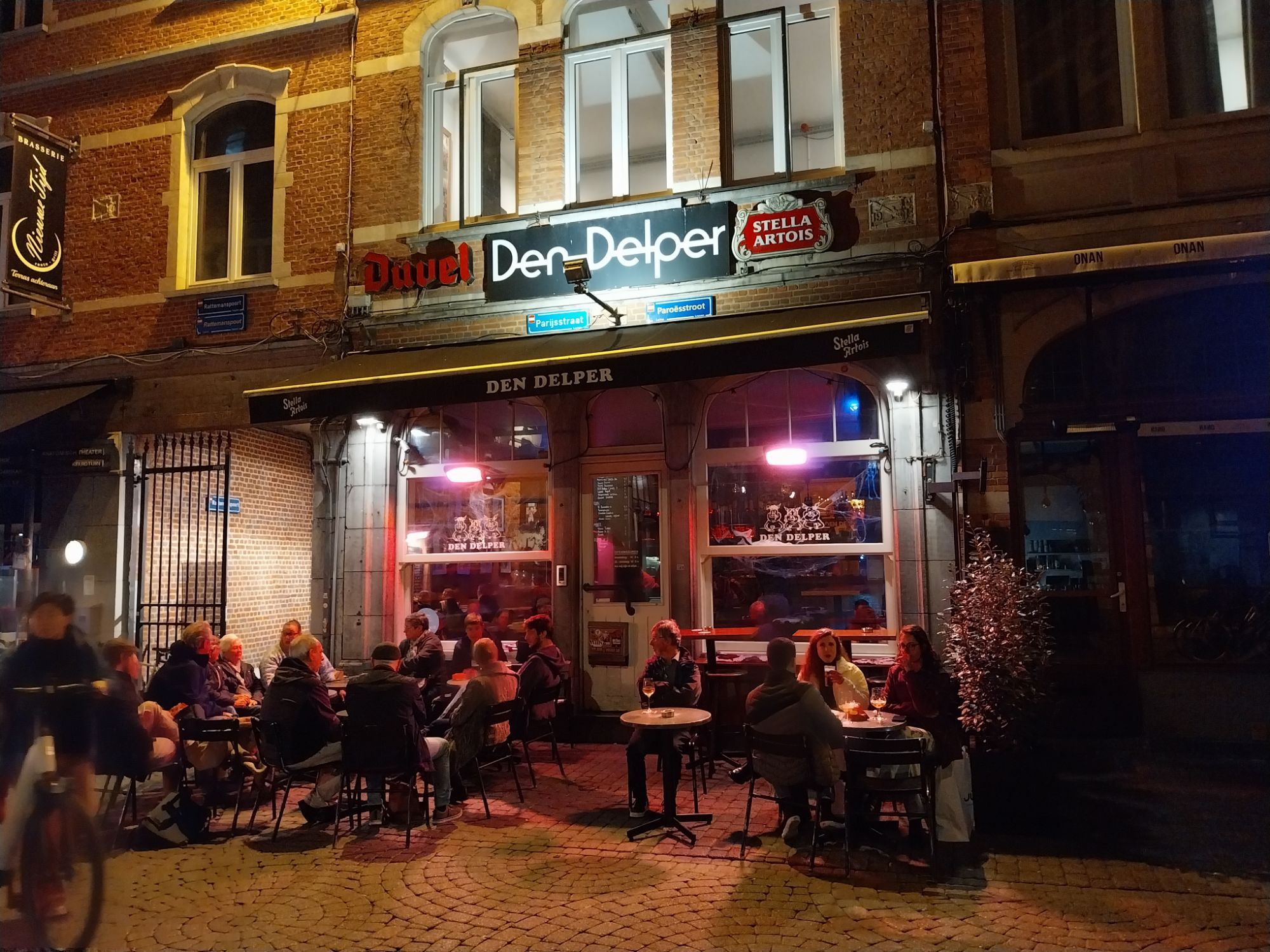
I maintain my own golden rule when it comes to these situations. Head one block or more away from the popular places and you’ll almost always find something more authentic. A great example of this is Den Delper, a small bar that attracts a lively local crowd. The owner leans on one of the tables overlooking the pavement, playfully shouting at his customers and demanding they buy more drinks. They glady oblige.
Before leaving Leuven, I pay a visit to the huge St Peter’s Church, which appears to dominate all buildings around it. It seems appropriate to see the fifteenth century painting of the Last Supper – in a place of worship that also has an entire chapel dedicated to the city’s brewers.
This trip has opened my eyes to choosing locations that aren’t on the obvious map for tourists, especially those from the UK. Belgium, Luxembourg and the Netherlands are compact enough to make it possible to cover a lot of places in a short space of time, without feeling rushed or short changed.

TravelCaster Tips
Getting here : Leuven is less than 30km from Brussels with train connections running every 15 to 20 minutes. The city provides onward connections to many other locations across Belgium, and into the Netherlands or Germany.
Orientation : Leuven’s main rail stations is around 1km north of the Grote Markt in the heart of the Old Town. From the station entrance, cross the busy main road and simply follow the crowds down either of the two large shopping streets.
Public Transport : De Lijn runs much of Belgium’s municipal transport operations and its website will help you plan a trip within Leuven or the surrounding area. My tip is to download the app and buy a 24 ticket costing €9, especially if you are not staying in the main centre of the city.
Food and drink : Leuven has a huge range of restaurants, cafes and bars to satisfy every budget and appetite. Avoid the predictable tourist cafes around the Grote Markt and Oude Markt, where a main course will set you back at least €20. There are better choices on the side streets and along the River Dilje for snacks and main meals alike. A standard 33cl beer will cost between €3 and €4, while a classic Belgian craft beer will cost around €5 upwards, depending on the strength. Bare in mind that many beers are much stronger than you think, and are designed to be sipped slowly!
 TravelCaster
Leave a comment