
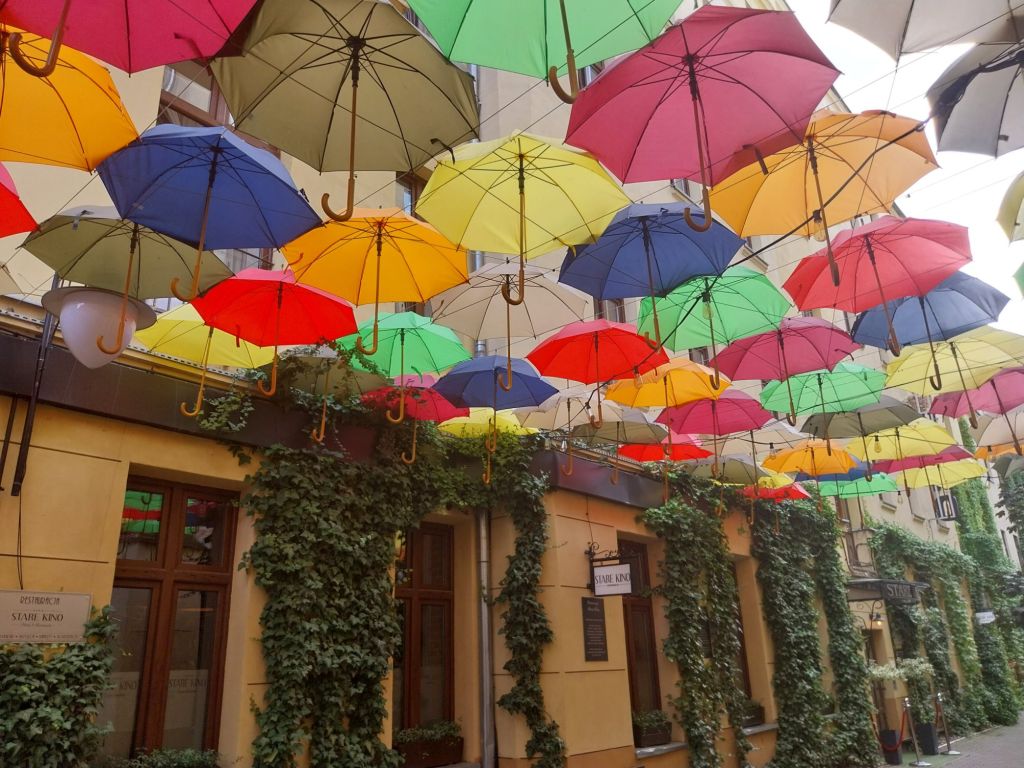
One thing you quickly learn in Poland is the importance of accents on words. You can happily shout very slowly like a Brit at a confused local and get absolutely nowhere unless you write the word down. Thankfully, this potentially embarrassing situation had been sorted out before I travelled, when I told a friend I was visiting Lodz.
“Ahh – WOOJ!” he replied, “you’ll like it there”.
“But I’m not going to WOOJ, I’m going to Lodz.”
So there I was, en route to Lodz, which is pronounced WOOJ. Don’t even get me started on how to say Glowny – the word for “Main” (railway) station. Though Wroclaw Glowny is a beautiful sight, and well worth you getting here early to admire before your journey.
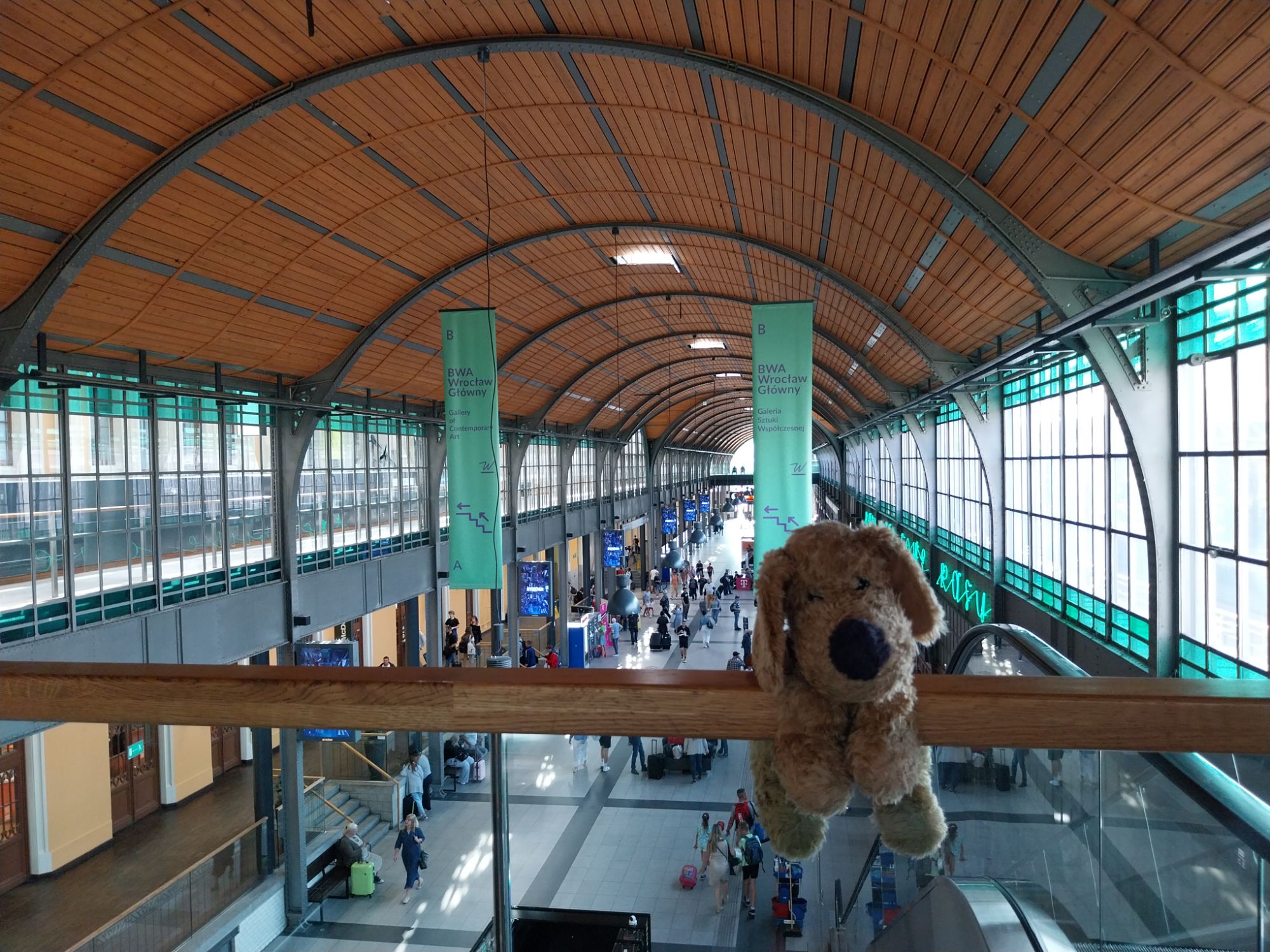
The 200 metre-long booking hall is an impressive sight. In 2023 it served nearly 30 million passengers, making it the busiest in Poland. And the destination board shows why. From here you can travel to many cities within Poland, but also to Berlin, Vienna or Prague. Unlike previous trips, I’ve opted to pay for individual tickets rather than using a rail pass – simply because it’s cheaper. A first class journey to Lodz – some 180km to the North East – cost less than €20.
First class doesn’t always equate to the kind of comfortable experience you might expect. Today’s journey starts off easily enough – a wide six seat compartment to myself as the train pulls out of Wroclaw. But at the first station, a man who could be aged anywhere between 50 and 80 enters the carriage and sits opposite me, talking drunkenly and enthusiastically in Polish. I politely ignore him, shrugging and explaining I don’t understand him. Thankfully we are joined by a mother and her bored daughter, which gives the man a new focus of who to annoy.
On the whole, Polish trains are reliable – but today is the exception. We’re 12 minutes late into Koluzski, which may not have been an issue except my connection window was 10 minutes. However, the regional trains run frequently into Lodz – and although they’re run by a different company, the fare is just a €2.70.
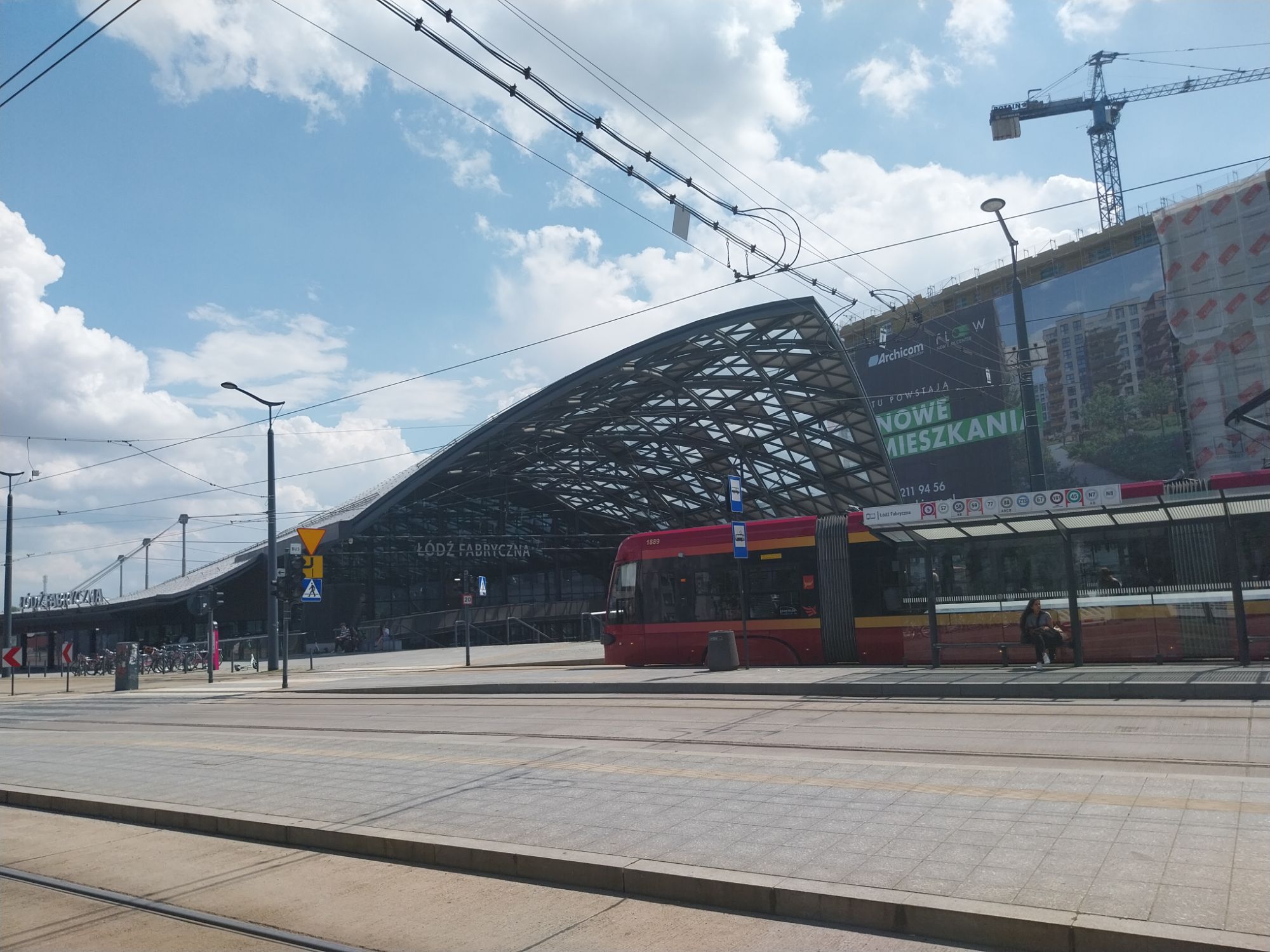
Lodz was once the heart of Poland’s textiles industry, so it’s entirely appropriate that its central railway station is built on the site of a former factory. Fabryczna (Factory) station is an enormous, cavernous affair, dug deep into the ground. Yet despite being a terminal for the country’s sixth largest city, it is one of the quietest stations I’ve even encountered. Finding its main exit proves confusing enough – though once outside there are plenty of electronic displays helping you to find your bus or tram.
There don’t appear to be many tourists on the streets until I get to the heart of the city. Pitorkowska Street is Poland’s longest continuous shopping route. Partly pedestrianised (though open to lethal cyclists), it’s lined with attractive shops and restaurants, and in an unassuming alleyway is Poland’s first independent cinema – now a hotel.
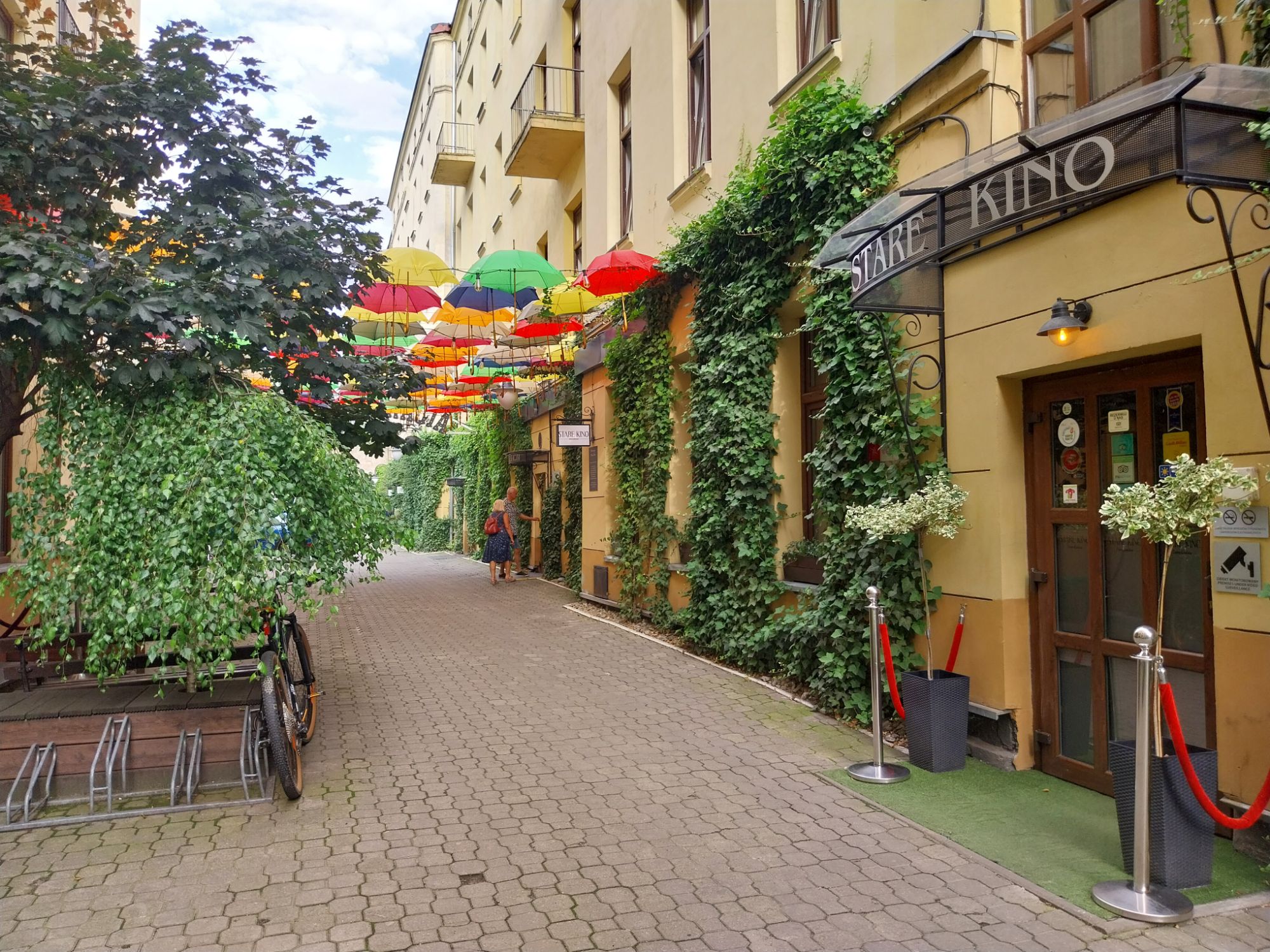
Each room in the Stare Kino is themed on a famous Polish film. Mine is a psychological thriller about a retired wrestler – and a huge image of the film poster is on the wall. The whole building is quirky and filled with film memorabilia – there’s even a cinema viewing room in the basement, where each night guests get a private screening of a quality movie. Tonight it’s Mama Mia at 6pm, followed by Mamia Mia 2 at 8pm.
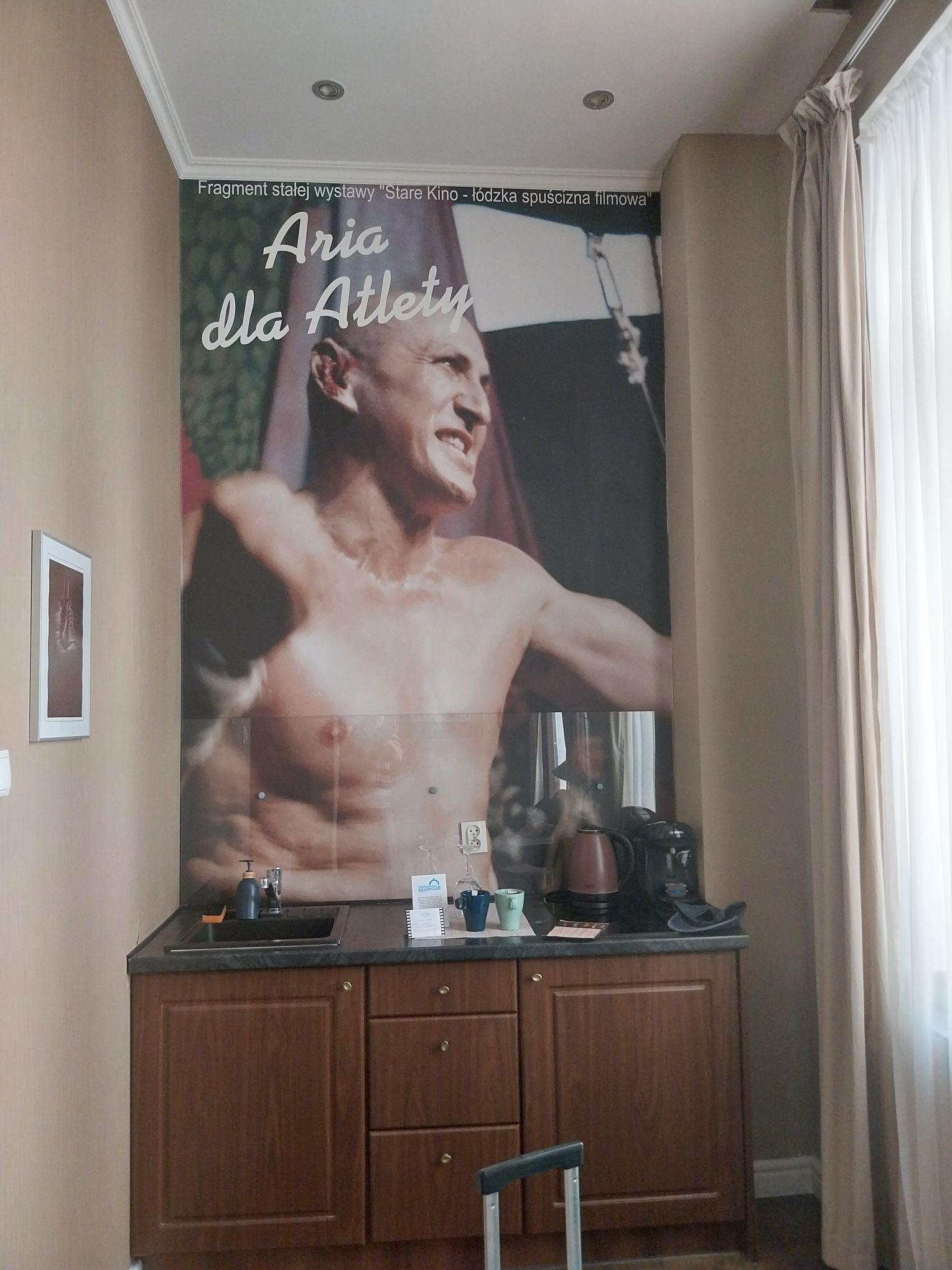
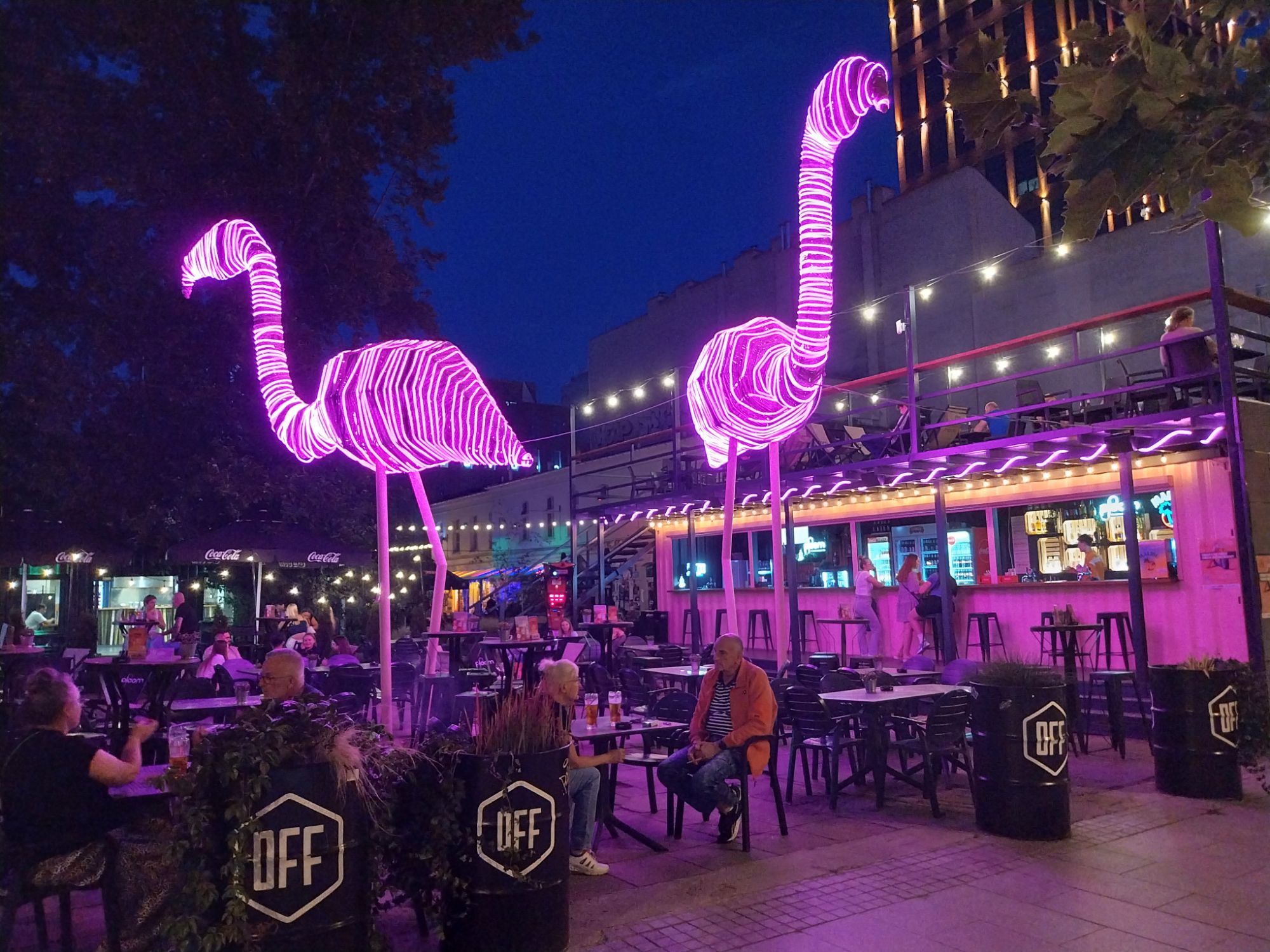
Having already had my fill of Abba at the group’s museum in Stockholm (and, frankly, been terrified by a life sized wrestler in my room) , I decide to explore elsewhere. And it’s not just railways stations that emerge from old factories. At the OFF Piotrkowska centre, industrial buildings have been converted into a hub of entertainment. A beach bar is hidden behind a fence, a restaurant and comedy club fills and old warehouse, while a former power plant building is now a football themed pub. And after dark the place really comes to life.
Izrael Poznański is a name you may be unfamiliar with, but this wealthy businessman and philanthropist developed much of Lodz’ industries in the 19th century, so it’s no surprise that the city’s main museum is housed in what used to be his palace. And other local heroes are also honoured here, with several rooms dedicated to the Polish-American pianist Artur Rubenstein.
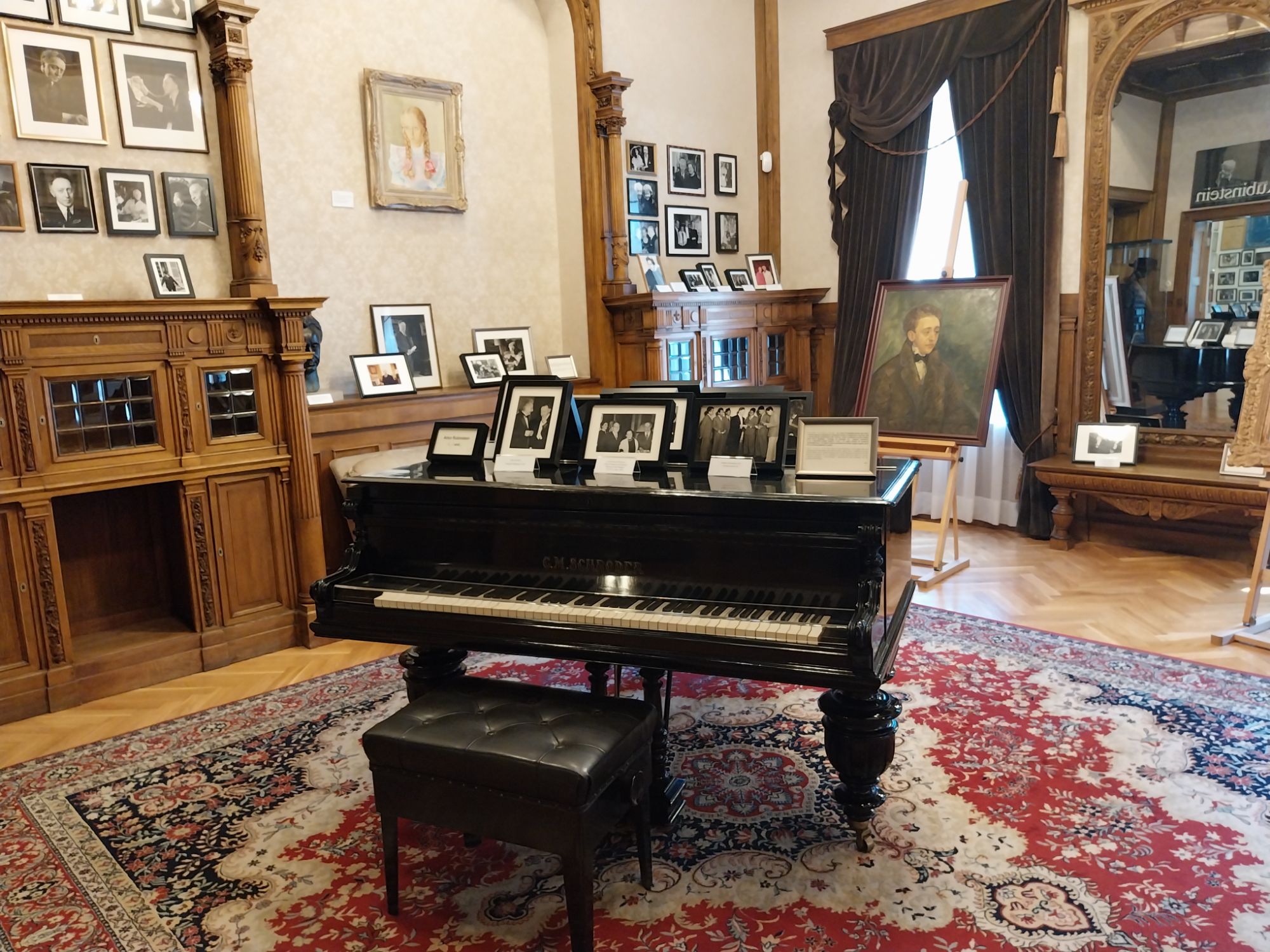
Rubenstein was born in Lodz in 1887. At the age of just 19, he made his debut in New York’s Carnegie Hall. An illustrious and long career followed – he made over 200 recordings and performed thousands of concerts, notably in 1964 in Russia during the Cold War. In Lodz, they celebrate him as one of their own. In fact, you can’t travel very far at all without coming across the guy.

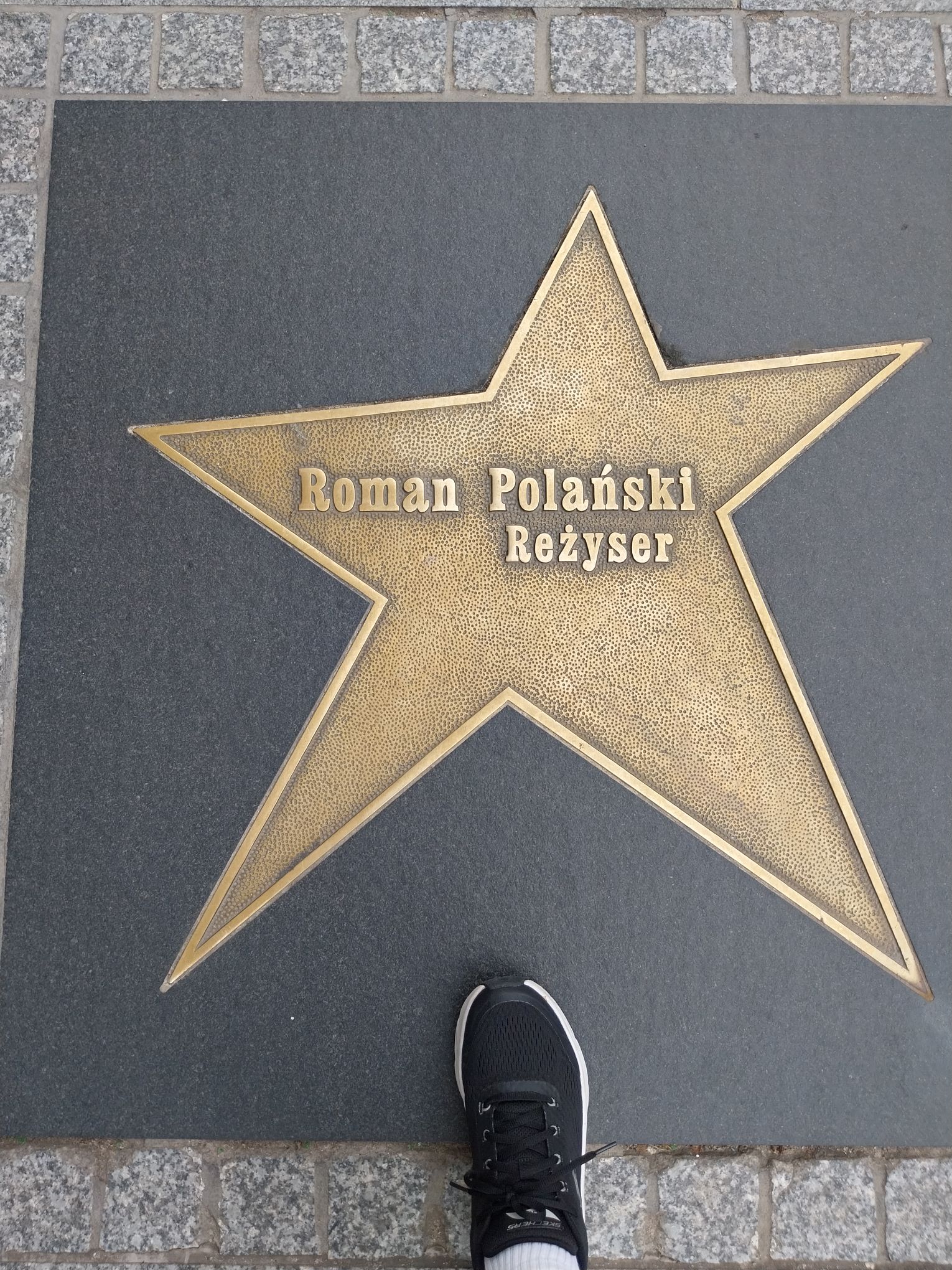
The more you walk around Lodz, the more of its creative spirit comes up to bite you. Hollywood has its Walk of Fame, while Lodz displays an “alleyway of the stars”, which not only honours the actors but also those who made the movies, like Roman Polanski.
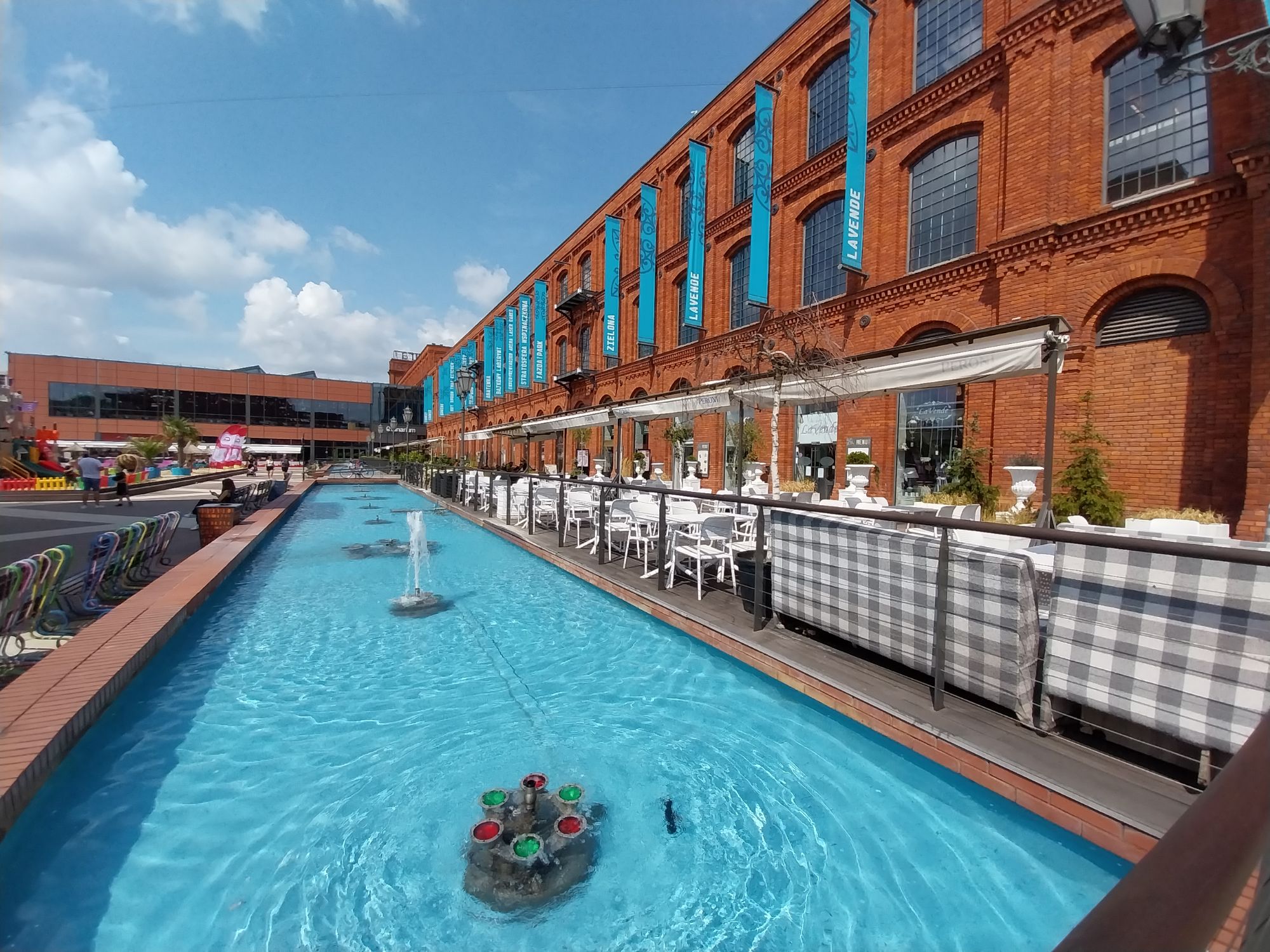
If culture isn’t your thing, then you can always go shopping. Though Manufaktura is far from your average mall. One again, it’s the legacy of industry that forms a backdrop for this mega retail and entertainment experience. On a sunny day it exudes confidence and personality, though the line of outdoor restaurants are mainly big chains, while the main shopping area in the background could be anywhere in the world.
There’s more than enough to keep you entertained in Lodz for 48 hours or maybe more. It’s a city that delivers plenty of surprises, albeit mostly confined in or around one street as far as visitors are concerned. It’s also great value for money compared to bigger places, and conveniently on route to my next destinantion.
TravelCaster Tips
Getting here : Lodz is located 130km south west of Warsaw, and is served by frequent trains from the capital and other Polish cities. The PKP Intercity website allows you to book tickets in advance, with fares as little at €8 in standard class.
Orientation : Lodz Fabryczna station is just to the east of the main shopping street Piotrkowska. Take any tram or bus to the “Centrum” stops which are within walking distance of Piotrkowska and the main chain hotels.
Public Transport : Buses and trams run throughout Lodz and the Jackdojade app will help you to plan journeys and buy online tickets. A 24 hour pass costs around €3.50. Whether paper or electronic, it’s important that you validate your ticket on your first journey, as inspections are frequently carried out and you may be fined.
Food and Drink : There is no shortage of restaurants and bars along Piotrkowska though many of them are chain outlets. Streets on either side and hidden alleyways often present better options. A standard 0.5 litre beer here will cost around €3, while a main course should be no more than €15. We quote Euros on this site but the local currency is the Polish Zloty.
 TravelCaster
Leave a comment