
Distance : 430 km
Travel time : 6 hours
My 15 day rail pass was nearing its expiration date, and given more time I would have made my way back across Northern Europe to the UK. Instead, I needed a final destination where I could get a cheap flight home – and that meant heading to Bratislava.
I’d chosen Villach as a stopping point because from here it’s easy to get a direct train to Vienna, where there are half hourly connecting services to Bratislava; the closeness of the Austrian and Slovakian capitals means a lot of commuters, so lots of trains.
Today’s main train was one of my favourites – a classic OBB Railjet service for the four hour leg to Vienna. Business class can get busy – but thanks to a phone all you can order food and have it delivered to your seat, saving you the trudge to the restaurant car (which was only next door)
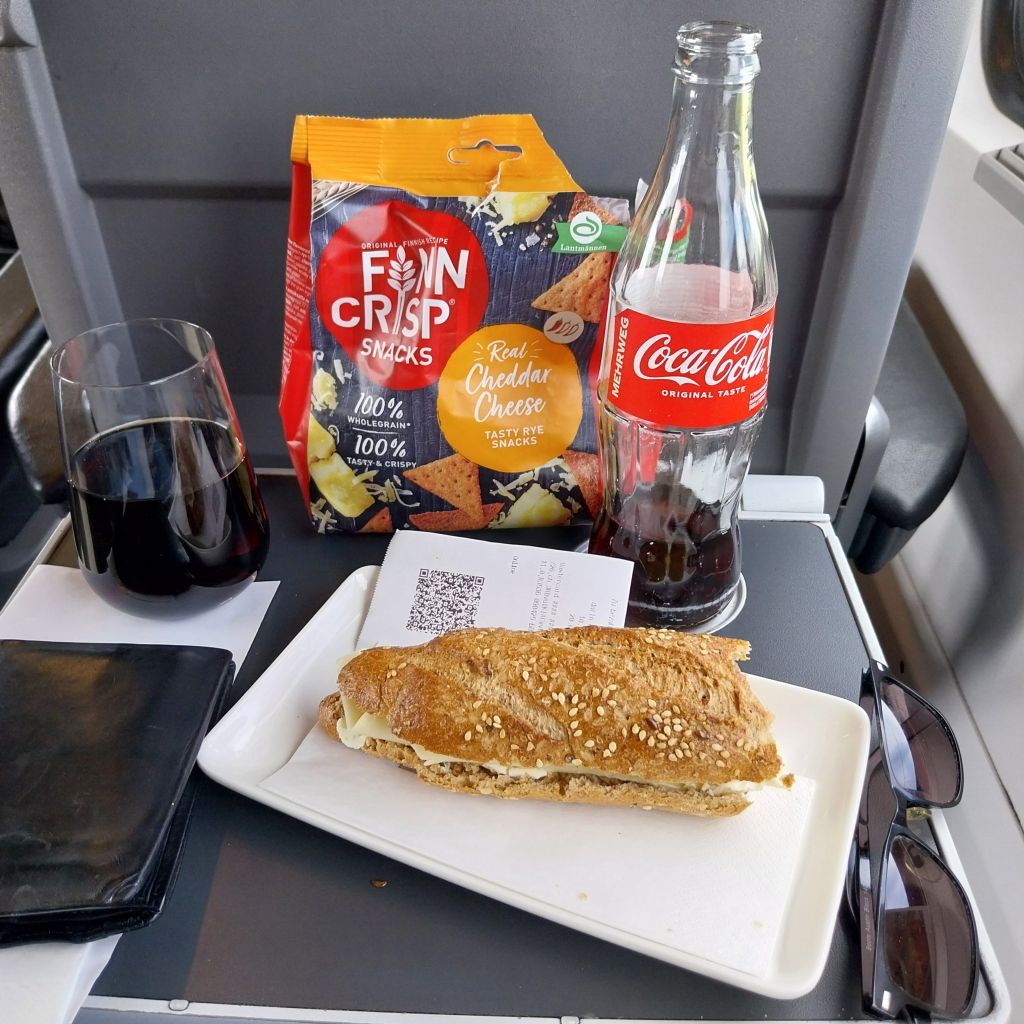
But the real treat was yet to come. An hour or so from Vienna the train slowed down, climbing up the magnificent Semmering Railway. It was the first mountain railway in the world, completed in 1854, rising to almost 1000 metres above sea level at its summit. I’d inadvertently come this way en route to Budapest but this time I was ready with my camera to capture some of the spectacular views.

There were more spectacular views on arrival in Bratislava. The downside was trains weren’t running to the main station because of track improvements, instead terminating at the suburban Petrzalka instead. But the number 80 bus virtually delivered me to the door of the Metropolitan Star hotel – an apartment hotel – making my accommodation look more like a property listing.
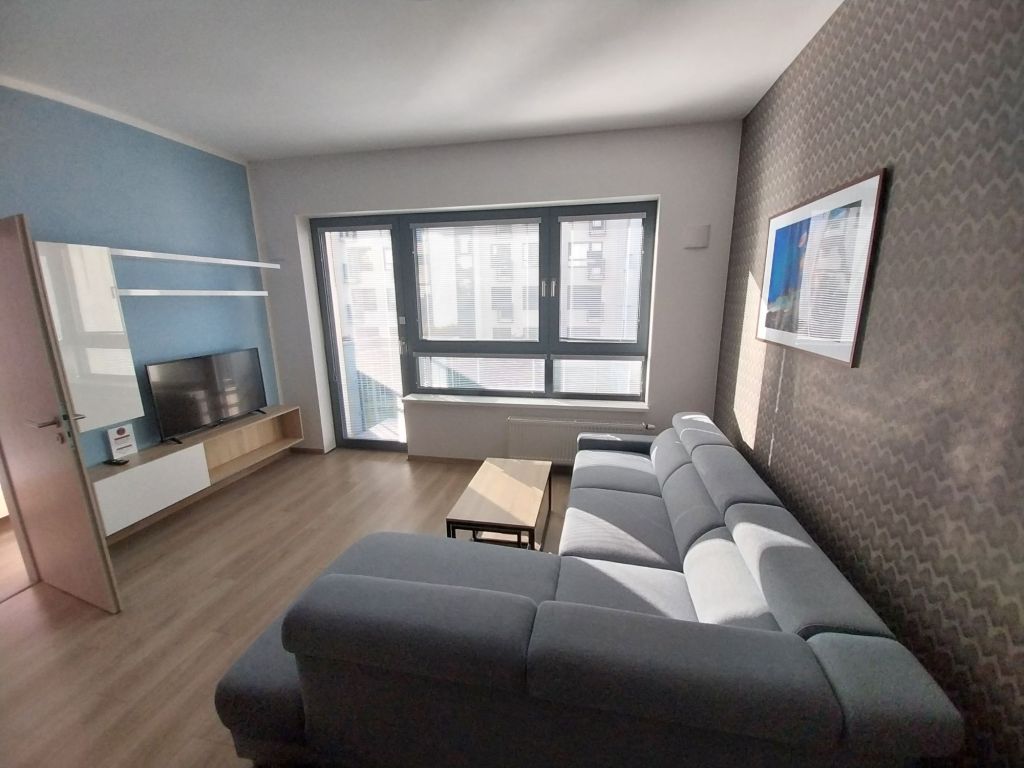

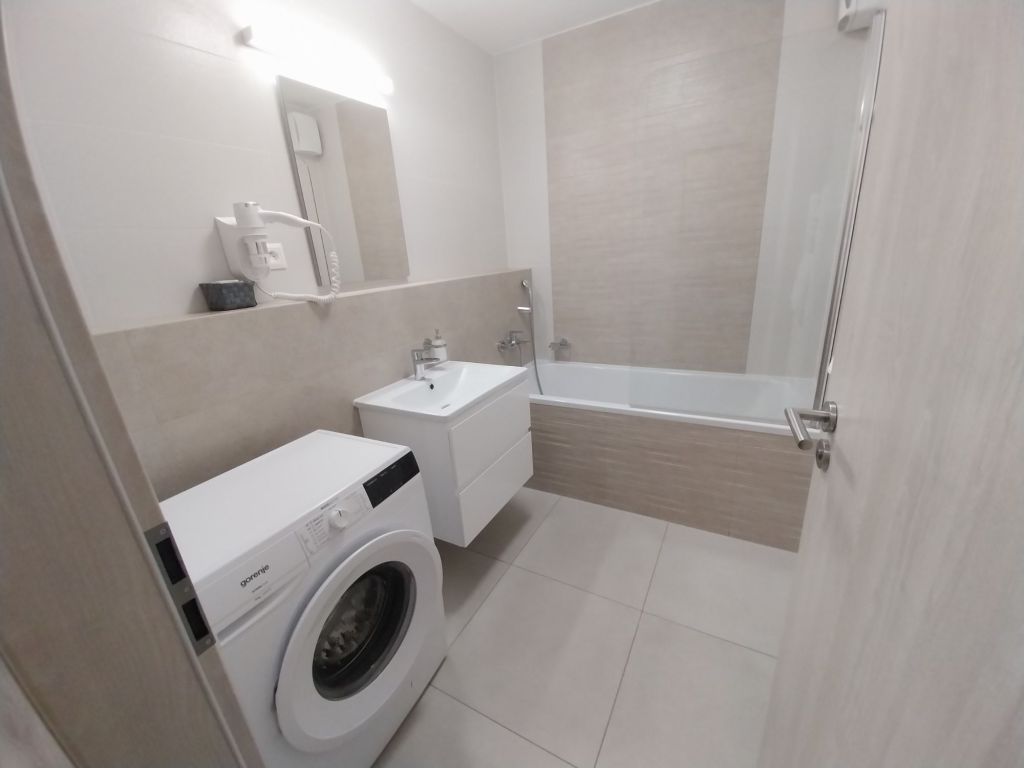
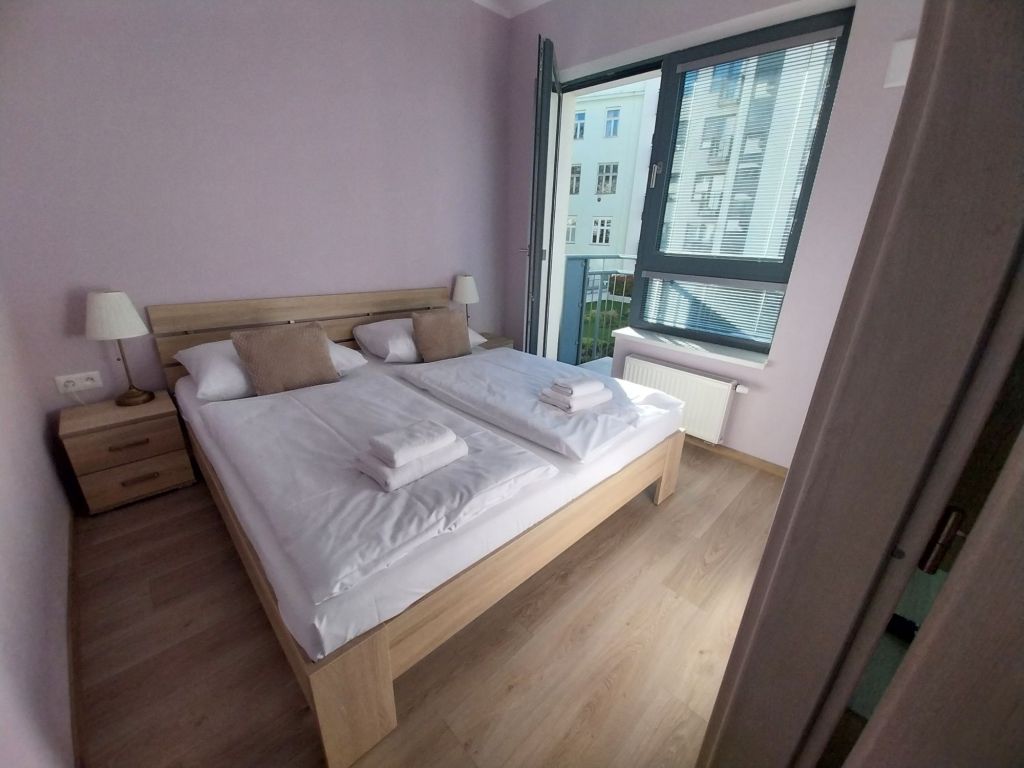
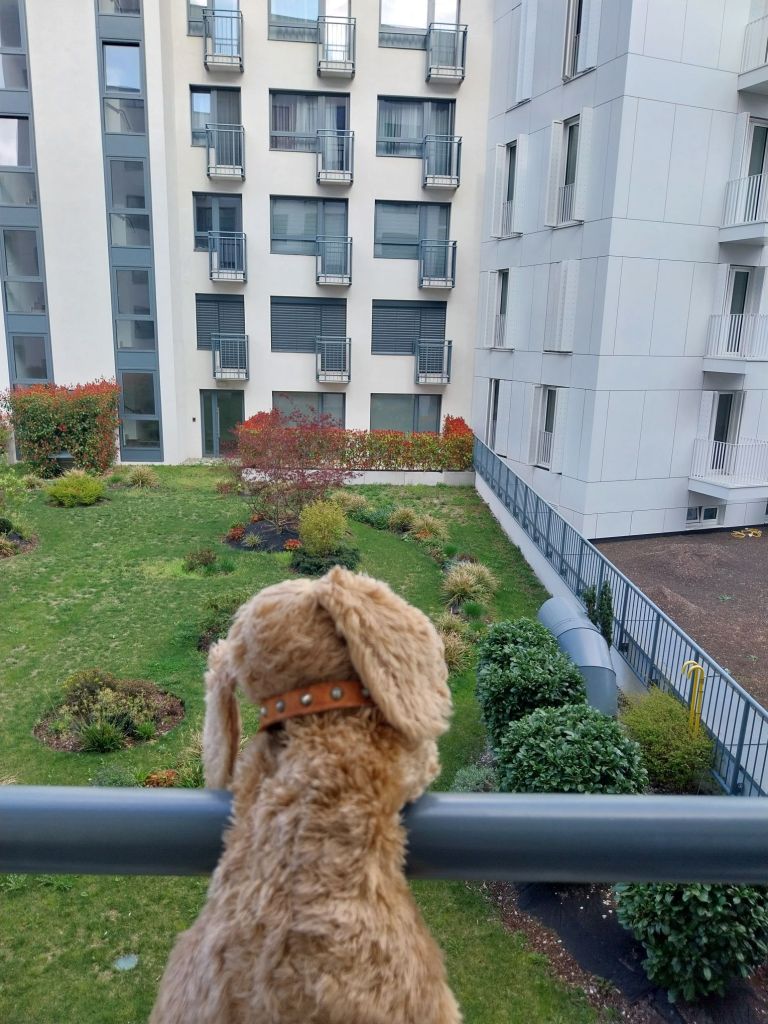
The place was so ridiculously large I kept instantly forgetting where I’d left stuff. And the room rate came with breakfast, making the kitchen instantly redundant.
Like many cities in Eastern Europe, the Old Town is a place to soak up history, drink and food. A ten minute walk from the hotel takes me down a busy four lane road, past the huge Presidential Palace and through the 13th Century St Michael’s Gate.
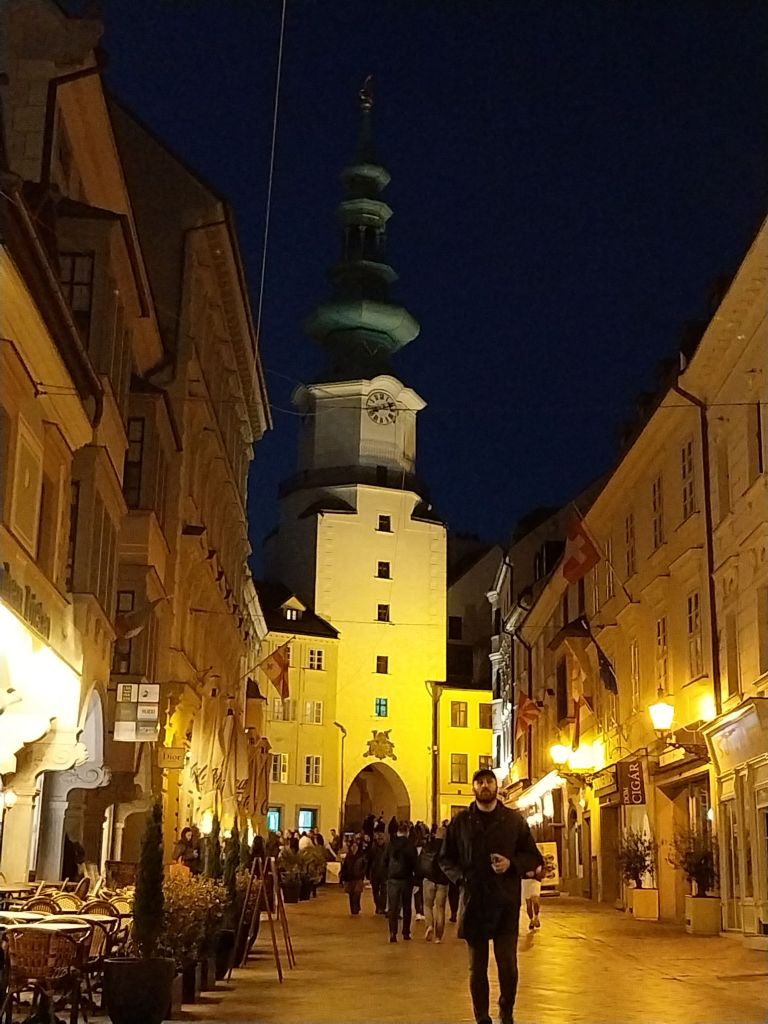
There are a couple of lively groups hanging around the more tourist restaurants at the top end of the town, but it’s otherwise quiet. Again, travelling outside the main visitor season is a chance to encounter sights that might otherwise be overwhelming. The Town Hall square is one such example – deserted this evening apart from a rather bad busker in a corner with a woman singing loudly and out of tune.

There are only three words you really need to get around in Slovakia. Prosim for please, dakujem for thank you and – most importantly – pivo for beer. Like the Slovenians and the Germans, they know how to do beer halls here. The Metiansky Brewery has loads of history, even though it’s effectively a chain, with two outlets in Bratislava.

It’s a decent enough place to get a beer and food – and Bratislava offers great value for money; you’ll rarely pay over €4 for a large beeer and a hearty main course will cost about €15. But a better option is to search among some of the side streets for something more authentic. The Mesuge Craft Beer Pub on Vysoka is a real gem.
From the otuside you may be apprenhensive, but shabby exteriors of buildings here often give way to hidden treasures. These places offer a much wider selection of local beers, at even cheaper prices than in the main restaurants. The one tip, though, is to remember that smaller establishments often only take cash.
Slovakia is a proudly independent country, having gained independence from Yugoslavia in 1993. But people power was celebrated some three decades earlier – when the Slovakian Uprising of the Second World War was commemrated with a new road bridge over the River Danube. But the concrete construction didn’t stop there – because added to it was one of Bratslava’s mist distinctive sights.

The UFO Tower is a curious landmark, but n 1972 it probably looked hugely futuristic. A trip to the top of the tower involves a rather uninviting walk along a pedestrian walkway under the road bridge. Entry is through a small grotty reception leading to a self service lift. It may not be the best €9.90 you’ll spend here but at least you’ll be able to drink in the views of Bratislava Castle on the other side of the river.
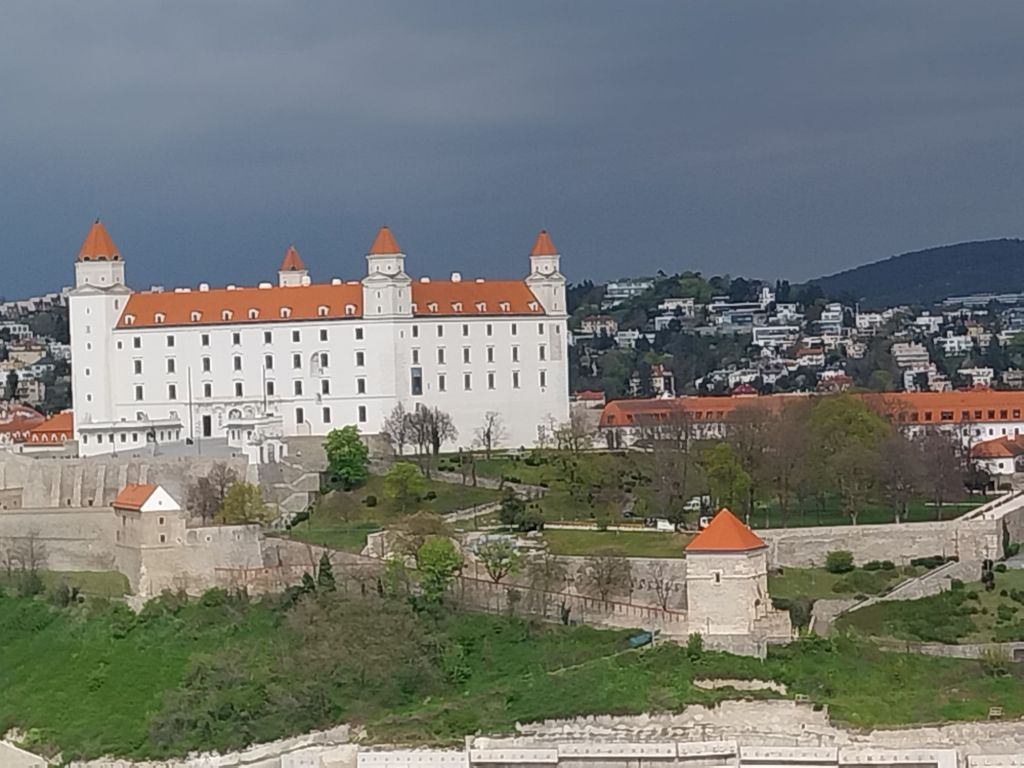

Below the observation deck is a restaurant, where a drinks menu is immediately thrust in front of me. I just wanted ten minutes to recover from the gale force wind at the top, and declining to buy anything was met with a shrug and surly look from the waiter.
There are better views to be had here and they won’t cost you a cent. And it all starts with a walk along part of Bratslava’s historic city walls. They’re easily accessible from opposite the entrance of St Martin’s Cathedral, providing a glimpse into the impressive fortifications of the city.
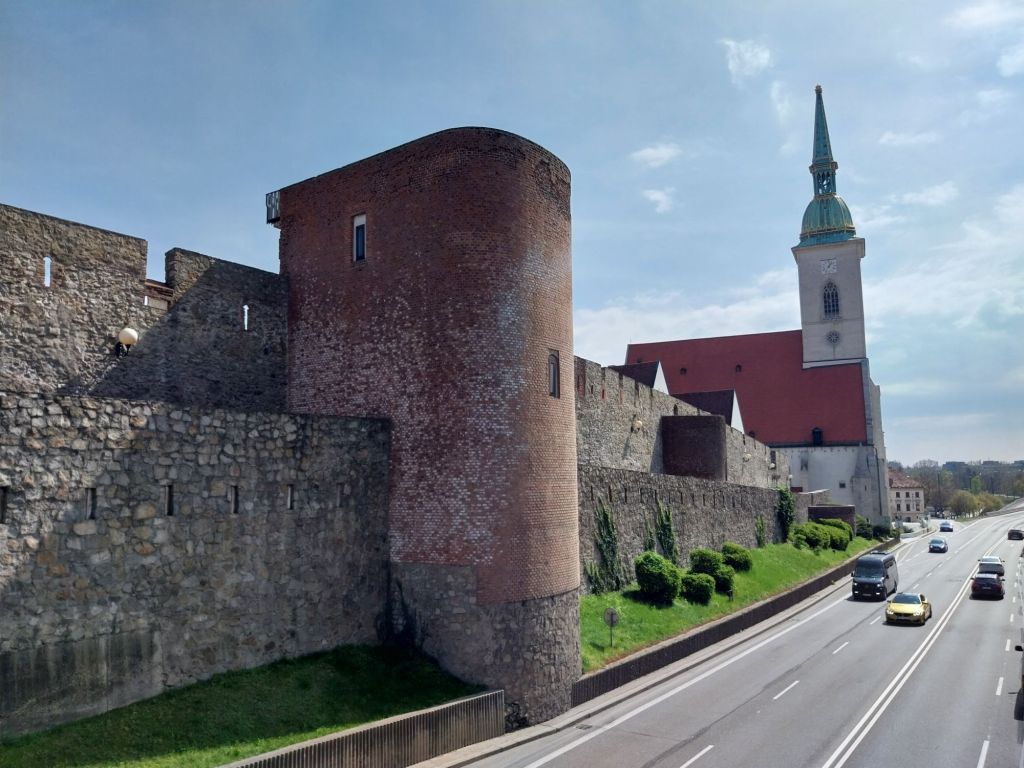
At the time of writing, the inside of the walls are filled with images and information boards charting famous figures from down the centuries. As the captal of the old Hungarian empire, new fewer than ten Kings were coronated here. After a gentle ten minute walk along the walls, you turn left, crossing the main road. And then it’s a stiff ten minute walk to the top of the hill to see the Castle.
You can pay €14 to see the inside of the structure which houses, among other things, the Slovak National Museum of History. However, the present building isn’t as historic as it first appears. The original Baroque palace on this hill was destroyed by fire in 1811, and was eventually rebuilt in 1953. If museums are your thing, that’s fine. But the Castle grounds are open for free and offer yet more striking views of the city below.
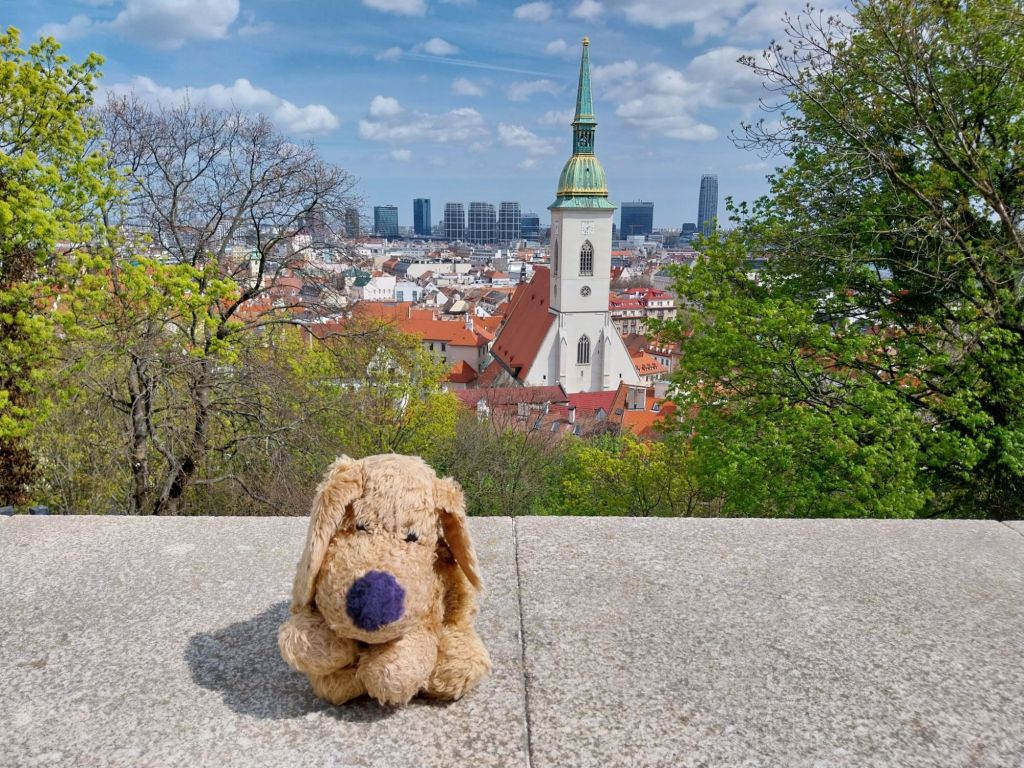
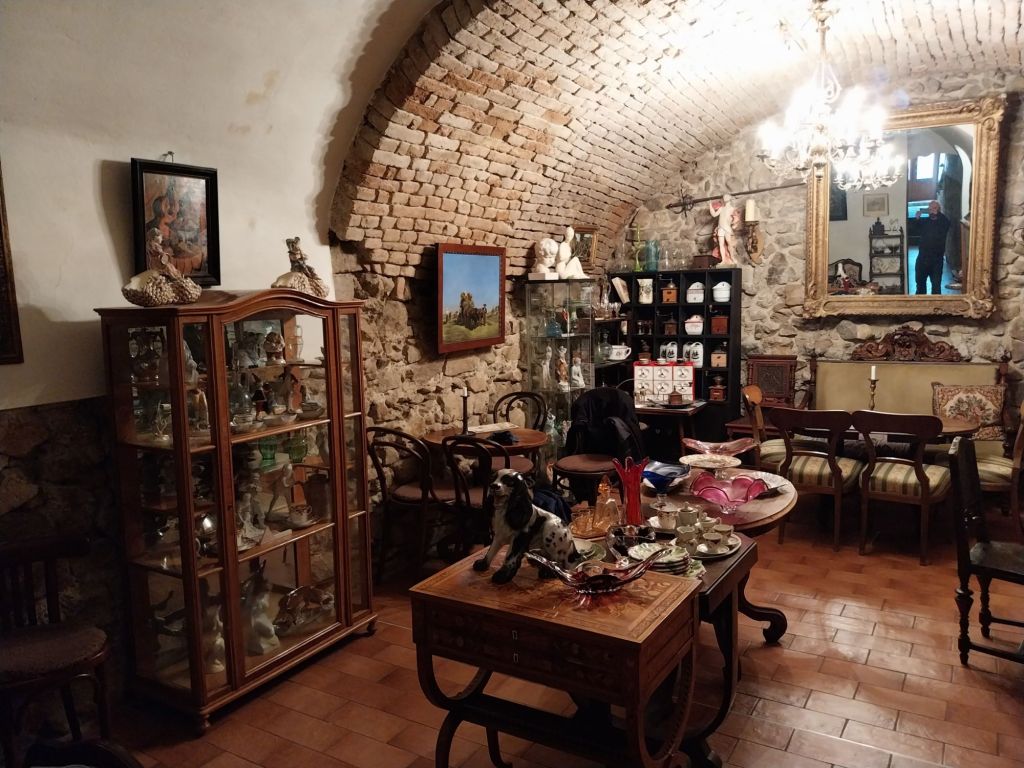
St Martin’s Cathedral is also worth a visit – and entrance is free. And one of the prefect places to enjoy Bratslava’s cafe culture is in the L’Auara coffee and wine shop just below it’s rear steps. The cafe is packed with antiques and offers a simple selection of coffee, tea and Slovakian wine. There’s no big food menu here and you’ll need to pay in cash. But it’s the perfect way to recharge the batteries.
It was also a great place to relax and reflect on my two week journey. Covering thousands of kilometres in a relatively short space of time can seem like a daunting prospect. But at no point did I feel rushed. The joy of using point to point connections meant no stress of airport check ins, endless security checks and lengthy transfers. But what part had AI played in assisting me?
Just about all of the information it gathered could be found online with a quick search. But it did throw up a few sights and bars that I may not have otherwise considered. Importantly, AI was able to answer my follow up questions. In Bratislava, for example, it knew not only how to take me from the Petrezaka station but which number bus to catch, where to find it and which app to use to buy a travel pass. It has a great ability to narrow down broad information to specifics. However, it didn’t take into account the off season travel time, and the fact that lots of places would either be closed or shutting early. It also took away some of the spontaneity of walking down a side street and finding something genuinely interesting and different. It had been a useful experiment, and one to build on for future trips.
TRAVELCASTER TIPS
Getting. here : Bratislava is served by a variety of flights from UK and European airports, but one of the best ways to arrive here is by train. Frequent services run from Vienna (travel time 1 hour) and Budapest (travel time 2.5 hours). There are also plenty of bus connections to other European cities. The Slovenian Railways website offers information in English but for international connections we recommend the Austrian Railways (OBB) site. If travelling with an Interrail or Eurail pass, remember to click “seat reservations only”. Reservations may or may not be compulsory depending on the journey.
Orientation : Bratislava’s main rail station is about 1.5km north of the main entrance to the Old Town. You can walk or take a number 1 tram from outside the station. If arriving by air, take the frequent 61 Bus from the airport which takes you to the main rail station in less than 30 minutes. A taxi ordered via the Bolt app will cost you anything upwards from €8, making the bus a much better option for most solo travellers.
Public Transport : Tickets are good for both bus and tram services, and can be bought from the machines positioned at most stops or via an app which you can download from this website. A day ticket costs €4.80 while a 72 hour pass is just €10.80 for the “100 and 101” zones which cover almost all the areas you’ll be visiting.
Food and drink : While many bars and restaurants accept card payments, lots of places prefer cash, so it’s a good idea to carry enough with you to cover the cost of a meal. A mid priced main course costs between €15 and €30 depending on the quality of the establishment – expect to pay more for high ends steaks and seafood dishes. A 0.3 litre basic beer shouldn’t cost you more than €4, a large 0.5 litre one will be less than €5. Tipping is not compulsory, but any tips are preferred in cash. You will always be offered a printed receipt listing everything you bought.
 TravelCaster
Leave a comment