

It’s Saturday morning and the final day of my Italian trip. Pisa Centrale station is rammed with tourists heading west to Florence, and while it’s a truly wonderful place to visit, I’ve opted for something a little quieter to the East. Livorno is Tuscany’s third most populist city – a large port that was, and still is, enormously important for trade.
Livorno’s railway station is some distance from the city centre – boats being the preferred mode of transport back in the day. But there are frequent buses that make the 2 kilometre journey into town along boulevards with a sense of faded glory. Even the huge Piazza Della Repubblica looks like it’s seen better days. From here, you can stroll along the main shopping street as if your were in Milan. But some of the real gems of this place are found away from the crowds.

The Fortezza Nuovo or New Fort dates back to the 16th century when Livorno was first being built. It was described as an “ideal town” – having everything a growing population could wish for, and the fort was part of the city’s defences, the Old Fort lying next to the seafront. During the Second World War it was used as a barracks, subsequently heavily bombed with the loss of many lives. Today its ruins are used for outdoor concerts, with a small park over the top of the buildings.
They like their water in Italy, and Livorno has its own homage to the most famous city of all. New Venice is a small network of canals stretching from the New to the Old Fortress; it’s a pretty community of boats and locals, with a handful of restaurants lining the edges of the district. And despite it being a warm Saturday afternoon in Summer, the place is deserted. Perfect for a gentle walk to the port itself.

Livorno’s main waterfront sprawls along a wide area, frankly reeking of money. The neat little boats of New Venice are replaced by multi million dollar craft in a posh harbour. The old warehouse buildings have been transformed into expensive apartments – and a a bawdy shopping mall finishes off the view. I’ve declined to include the pictures here; partly because I didn’t take any but mostly because it’s a sight you can see in any big port.
Thankfully there is some old fashioned seaside beauty further along the prom, though you’ll need another bus ride to take you there. But it’s worth the journey.
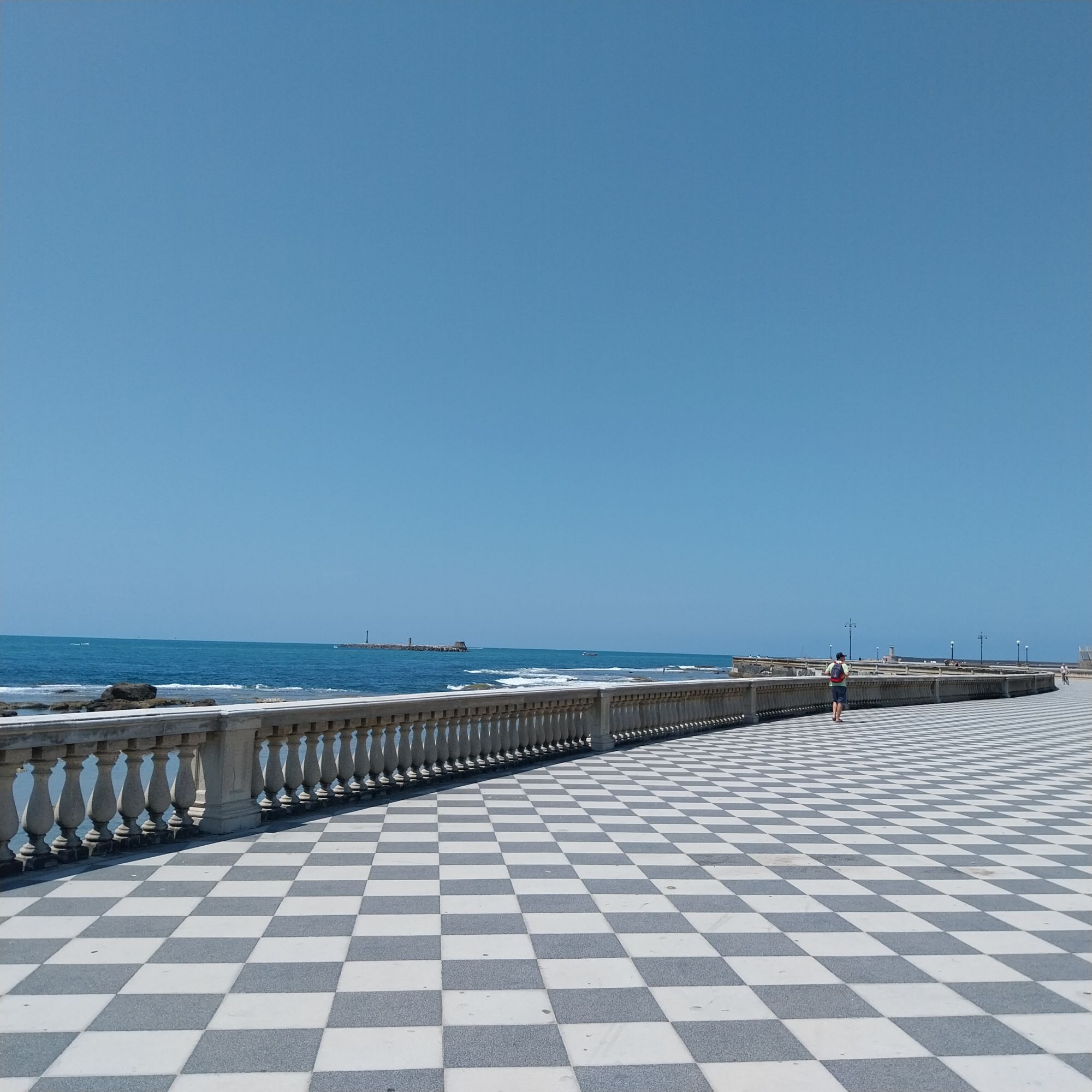
The Terrazaa Masgani dates back to the 1920s and has over 4,000 concrete balustrades set against elegant black and white tiles. In Britain, this would have been the quintessential place for Victorian tourists to take a stroll. You can easily imagine its Italian equivalent, the Passeggiata, taking place here. But the pace is virtually deserted – again, inexplicable for a weekend in July. Next to the terrace, a forlorn looking fairground attempts to attract customers. The only people to be seen are a dozen or so taking a dip in the warm sea. But it shows that even in the height of the tourist season, there are great places to see Italy uninterrupted.
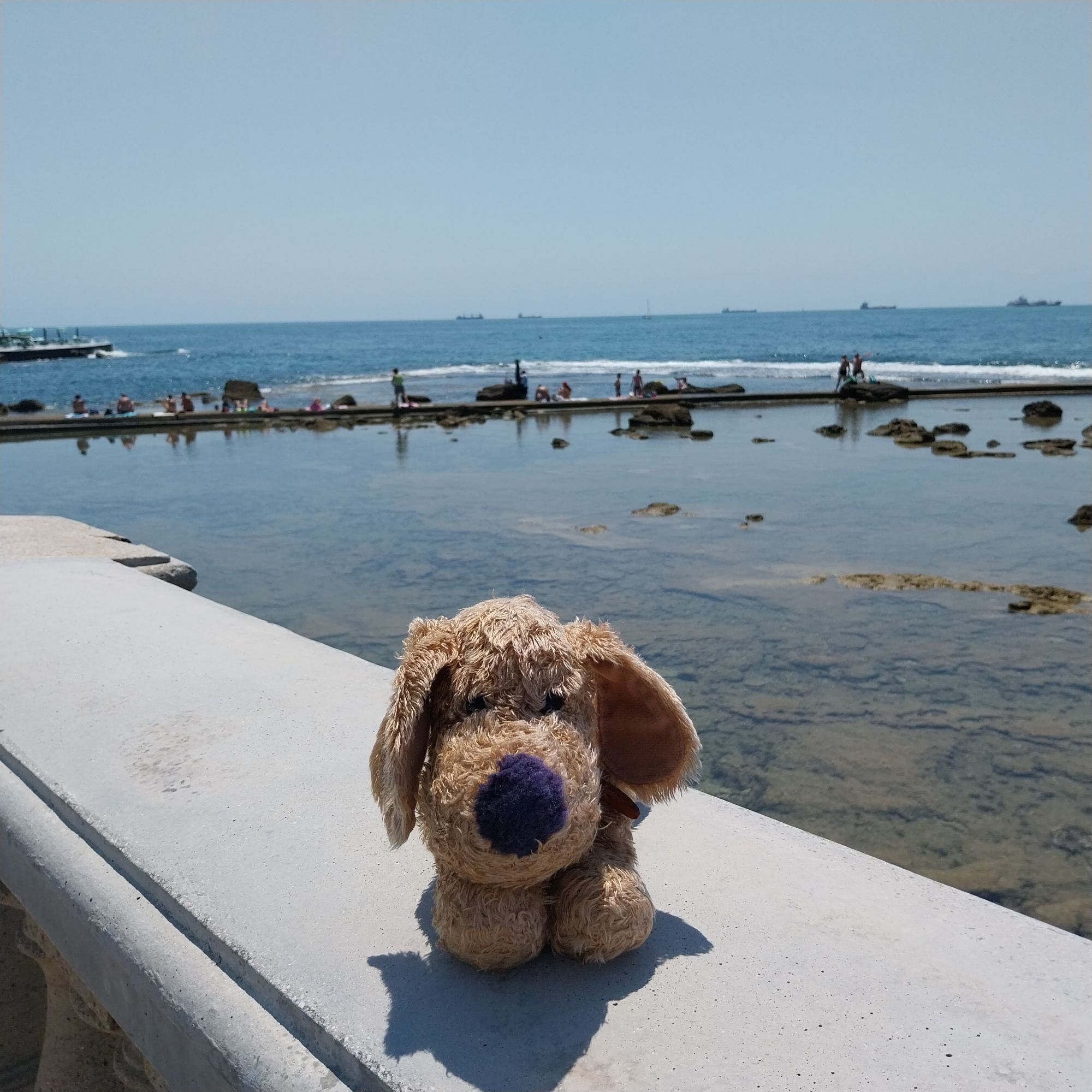
Across the road, the Grand Hotel again looks elegant enough, but has that air of faded glory. But it must be doing something right – the cheapest rooms here at this time of the year are €300 per night.
Livorno marks the end of my Italian adventure. There’s an enormous amount to see here in a relatively small geographical area, and even in the height of the holiday season it doesn’t necessarily mean being bombarded by huge crowds. Italy’s superb railway system rarely lets its customers down. Prices for travel, accommodation and food are affordable, and away from the tourist hotspots, cheap in comparison to much of Western Europe. This really is the place to experience La Dolce Vita.


 TravelCaster
Leave a comment