

In the heat of the summer, a trip to the coast is often a good option. And this morning, at Pisa Centrale station, around a hundred other people have had the same idea. The beauty of Italy’s railway system is that you can get just about anywhere in a short space of time, and at this time of the year the line that runs along the Cinque Terre – the five lands – is one of the country’s most popular. And it’s not hard to see why.
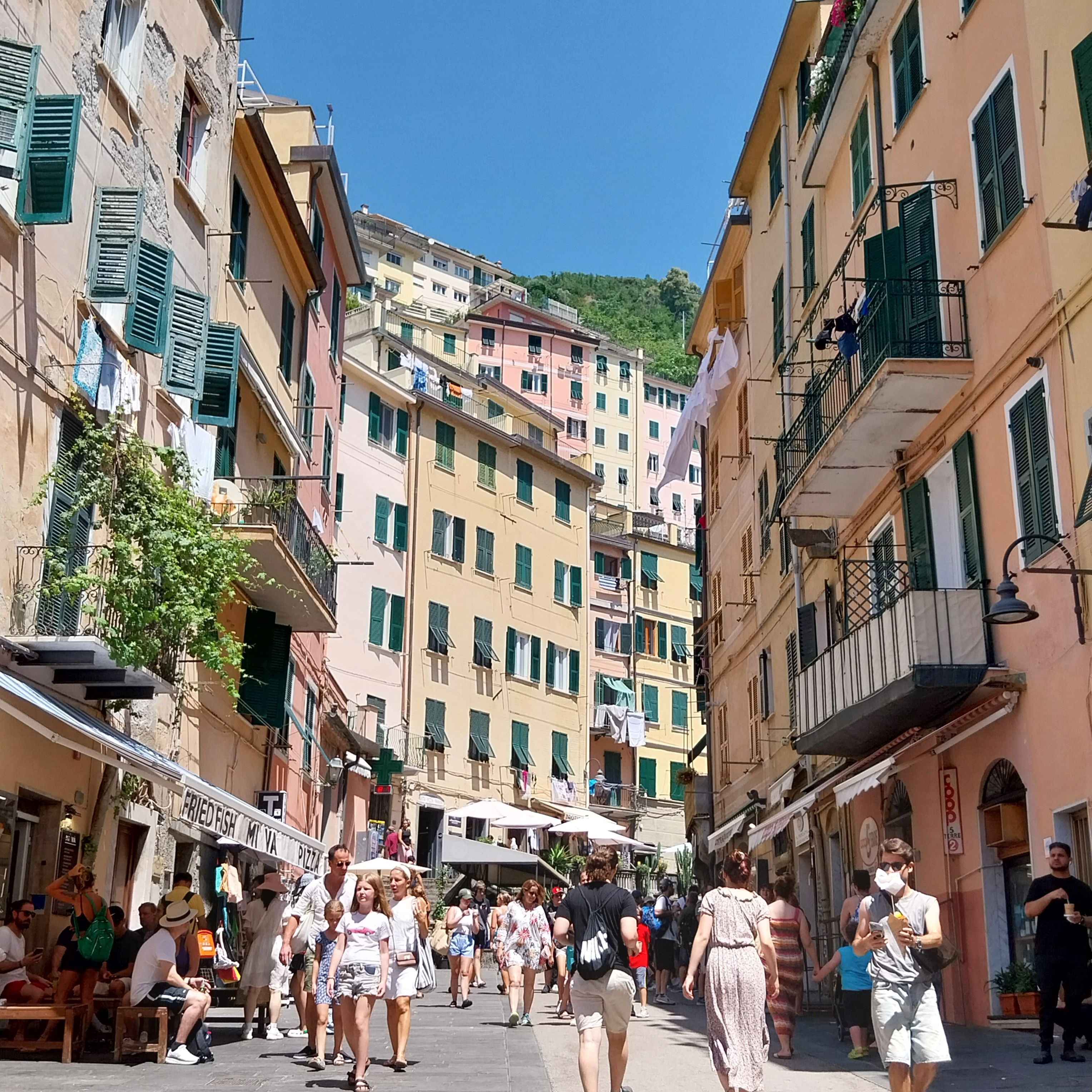
Monterosso, Vernazza, Corniglia, Manarola and Riomaggiore are five fishing villages that cling almost impossibly to the steep Ligurian coastline. There are road connections, but they’re so precarious that hardly any tourists use them, so most arrive by either train or boat.
Alighting at any station along the route immediately brings you into the heart of the location – and demonstrates the sheer scale of the visitor economy here. It’s barely 11am, but already the sunbed at Monterosso are sold out for the day. Although some will always find a space to perch.
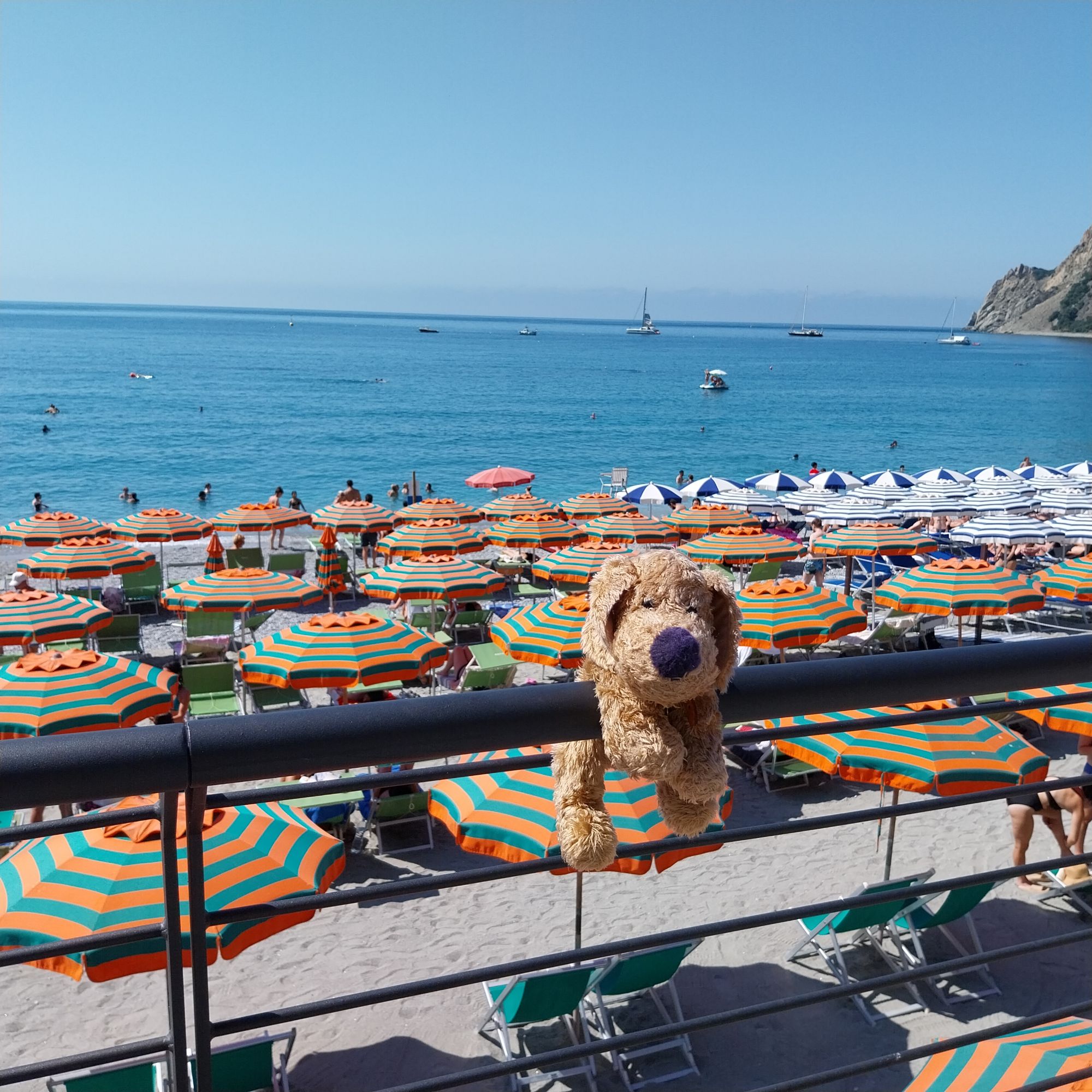
On the train from Pisa today I met people from Sweden and France, but the dominating accents here were American. Before lunchtime, they were already browsing the small market in the centre of Monterosso, eyesing up potential locations to eat, and mostly ignoring the actual history in places like St John’s Church.


For such a small village, the churches here pack a big punch. Midday is marked by a series of noisy chimes from at least three different places of worship. I make a mental note never to be here with a hangover on a Sunday morning.
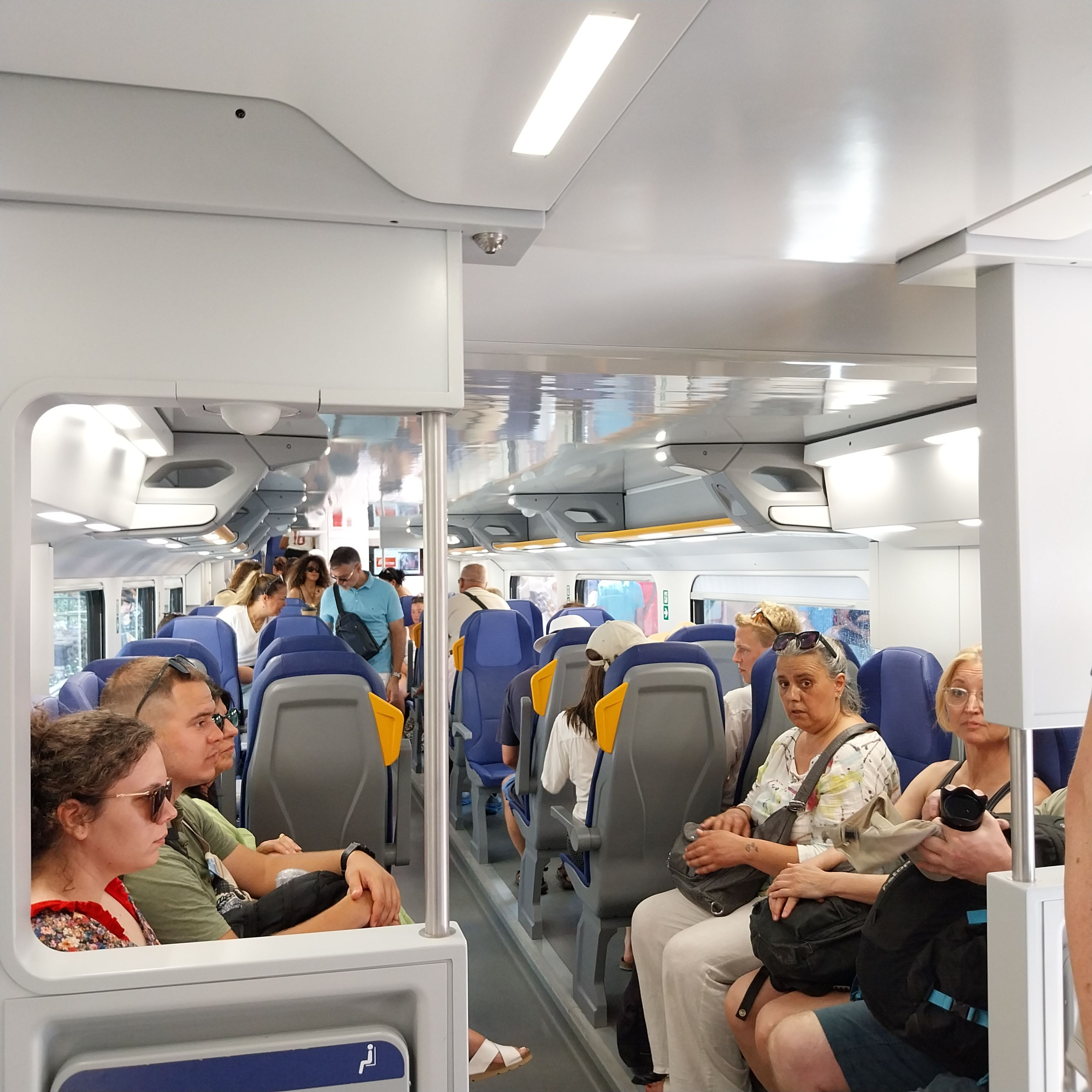
The good news is that the trains along the Cinque Terre line run every few minutes during the high season, which is just as well given the demand. The sensible visitor opts for a rail pass, giving unlimited travel for 24 hours – for between €19 and €32.50 depending on the season. On the busy platforms, staff usher crowds away from the stairwell and encourage people to stand along the whole of the platform. It’s a kind of chaos that reminds me of travelling on the London Underground during rush hour – it’s baking hot and everybody blocks the doors so people can’t get off the train. The main difference is that you don’t end up with black snot when you blow your nose.
Riomaggiore is about the most Italian-sounding place name you can get. It demands you say it with a flourish, perhaps singing in the style of Luciano Pavarotti. It also helps if you have the lung capacity of a whale, since Riomaggiore is one of the steepest villages of the five. If flip flops are the footwear of choice in Monterosso, hiking boots are the preferred attire here. But it’s worth the climb for the views.

I’d anticipated that it would be busy here in July, so made plans to stay over for the night. The room in Vernazza for just €90 seemed like good value – and I figured that if it was awful I could just cut my losses and go back to Pisa. However reliable to booking site you use, you can never be quite sure what you’re going to get.
Check in for the Residence Margot was somewhat cryptic. I had a message advising me to “meet me at the Pharmacy on the main street when you arrive.” The man at the pharamacy had no idea what I was talking about, but suggested the steps outside his shop were considered the main meeting point in Vernazza. I stepped outside, casually calling the name “Margot” as if I were in an episode of The Good Life. Thankfully a woman appeared saying “Yes”, and guided me up a side street to an unlocked door.
“It’s always unlocked,” she explained, which didn’t exactly fill me with confidence about security. But inside the unassuming building were two further doors, each with their own key. The building itself was probably three hundred years old, but the rooms inside were tastefully modern. A large double bed, an ultra clean shower, and a view over Vernazza’s main street. It was possibly the best €90 I’ve ever spent.

Vernazza’s picturesque little harbour was bustling with boats and swimmers in the afternoon. The main street was crowded with thousands of tourists. But by the evening – when the day trippers had gone – the place was transformed into a tranquil little village, at least relatively speaking; the restaurants were still busy – no tables to be had from those with the best views. But none of that really mattered.


I’d planned to take the train back down the coast the following morning, but the draw of the sea was too much. Throughout the year, passenger ferries connect the Cinque Terre, meaning an alternative way of getting to La Spezia, where I could connect onward to Pisa. The boats were busy, but offered more spectacular views of the villages visited yesterday.


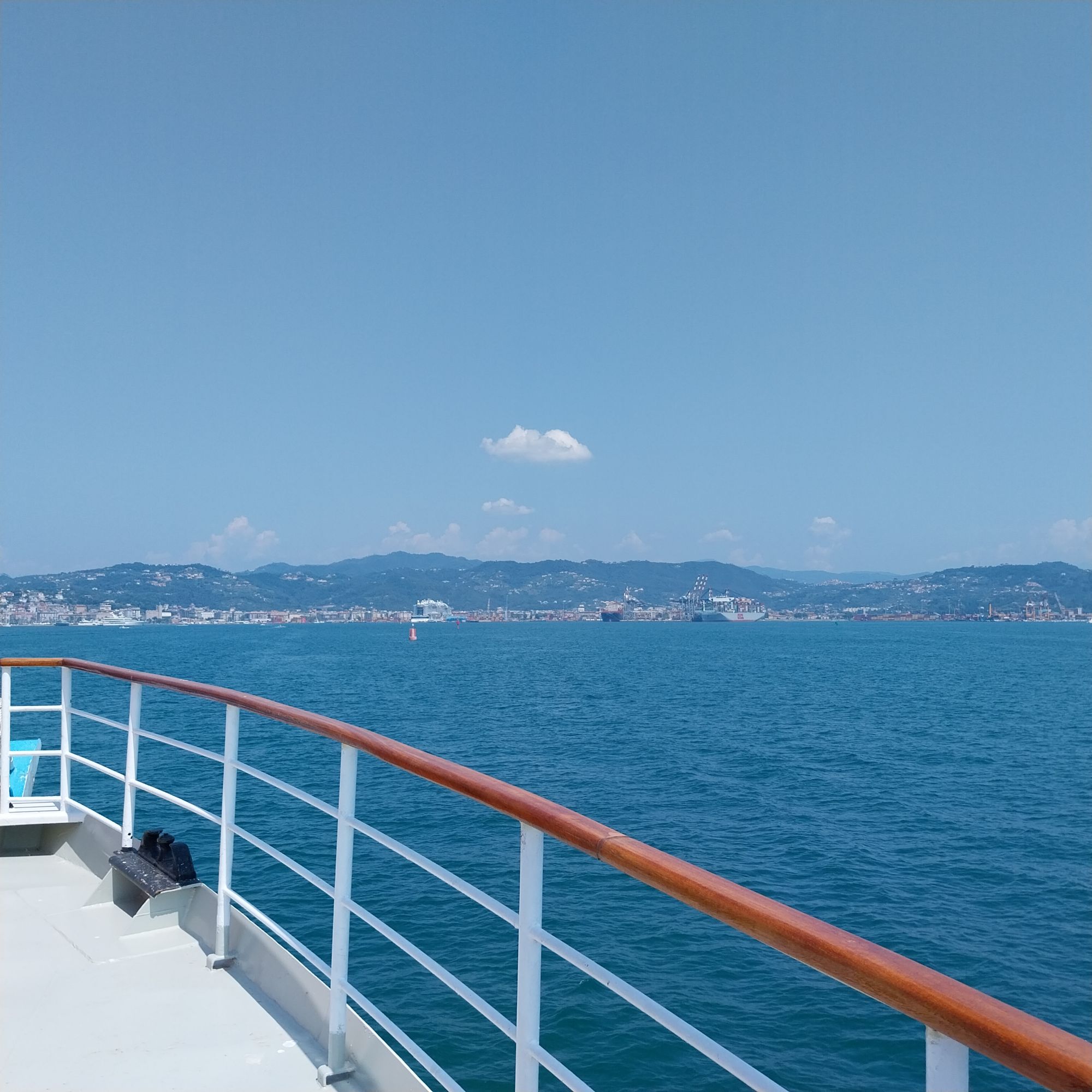
If you’re heading for La Spezia, the trip down the coast involves two ferries, with a stop at Porto Venere for at least an hour. The town is a real hub for tourists, with. a busy harbour offering many different options for cruises to the islands of Palamaria and its smaller cousins Tino and Tenetto. Porto Venre itself is also pretty enough, with connections to Lord Byron. He swam across the Bay of Poets, which is so named because the writer Percey Shelley died here when his boat capsized. This is not something you want to hear during a say of travel on the water…

The onward journey to La Spezia takes around 45 minutes, though the port is some distance from the railway station. A helpful tobacconist not only sells me the connecting bus ticket, but tells me which of the many confusing stops to use.
The Cinque Terre are an absolute delight. Yes, the crowds in the middle of the high season are an annoyance, but that doesn’t spoil the enjoyment. An overnight stay is one of the best tips here – just check that your accommodation isn’t too far from your point of entry; these five villages have steep street, and buildings that disappear into the hills.
Getting here
The Cinque Terre sit on the Ligurian coast between Pisa and Genoa. The region’s website gives an excellent overview of the five villages and travelling between them by rail or boat. To connect from Pisa, you will usually have to change trains at La Spezia, though some services run direct to Monterosso.
If you’re feeling more adventurous there are 120km of hiking trails linking the villages and the surrounding countryside. Check the website carefully because some sections are closed from time to time because of landslips. Also note that certain sections of the trails involve a fee. You can avoid these by using the Cinque Terre card which also includes 24 hours of unlimited rail travel, meaning you can combine walking with public transport.
A day pass for the ferries costs €4, though if you’re making a one way journey – for example, from Vernazza to La Spezia – there’s a lower price of €30. Prices quoted are for 2024.
 TravelCaster
Leave a comment