
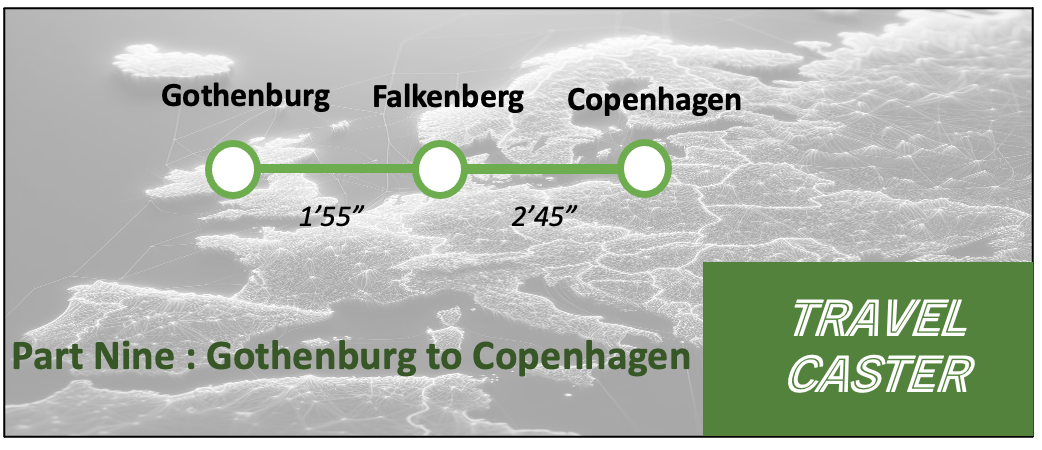
“But your ass – it’s so dirty. How are you gonna even sit down?!” The woman, who may have been Swedish but more like was Danish, had a point. The morning had started early, wth heavy rain in Gothenburg. I’d already heard the four words that strike fear into any traveller : “rail replacement bus service.” So when the crowded coach set off towards Falkenburg, I had already resigned myself to two hours of uncomfortable travel.

The bus was connecting at Falkenburg for the onward connection to Copenhagen. And as we approached the station I noticed just how tight that connection was going to be – less than ten minutes.
Now instinct should have told me that the train would wait for all of the people from the bus. It’s a through connection, sold as one ticket. But I collected my case and took a brisk walk, following the my fellow passengers towards a short but steep grassy embankment. It was still raining, the embankment looked perilously slippy. Around 50 people managed to navigate this short obstacle without incident. Only one slipped over, tobogganed down the embankment with his luggage, and emerged looking as if he’d played 80 minutes of rugby at Twickenham.
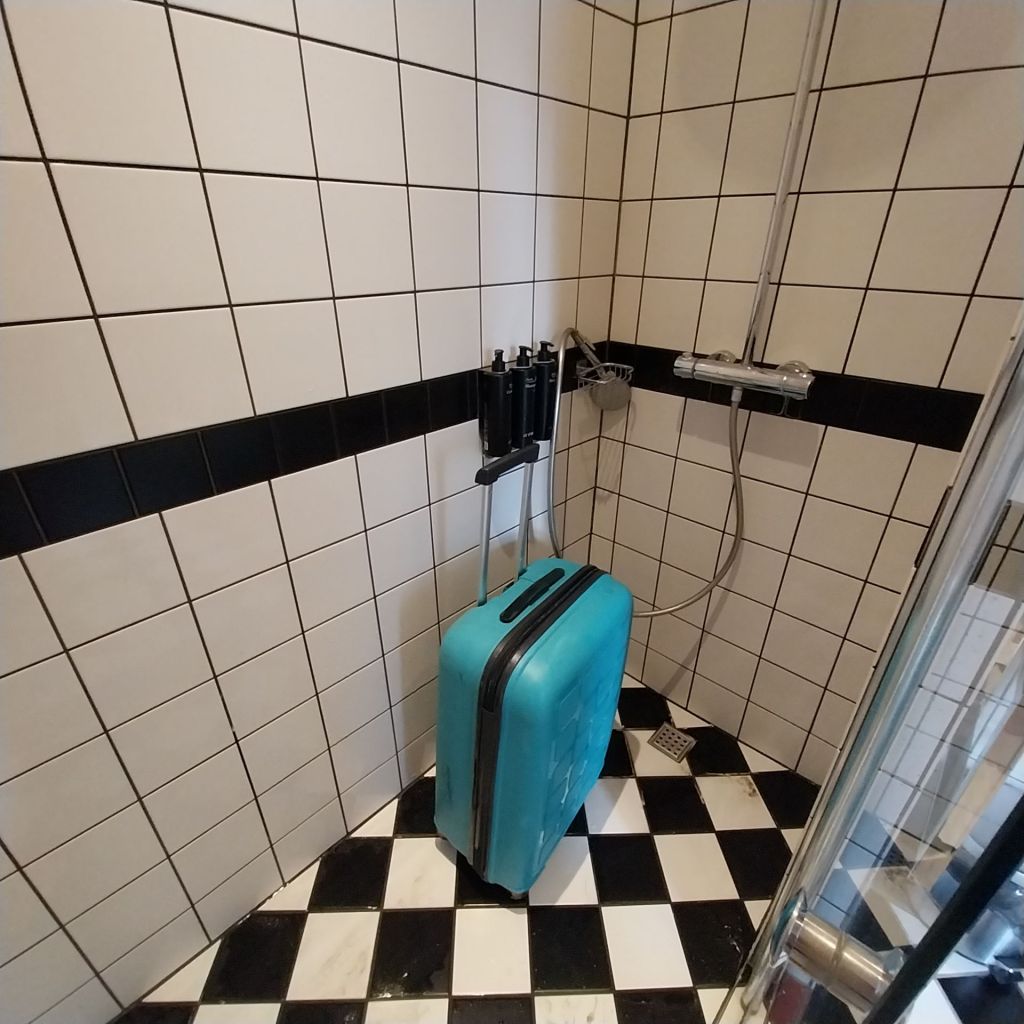
And so it was that I entered the First Class carriage on the train to Copenhagen with nothing injured other than my dignity. Thankfully I was able to retrieve a (sort of) clean pair of trousers from my suitcase, replacing the ones caked in mud and rain. It was not a good start. Once I checked into the Plaza Hotel I performed a first in many years of travel; I gave my suitcase a shower.
36 Hours in Copenhagen
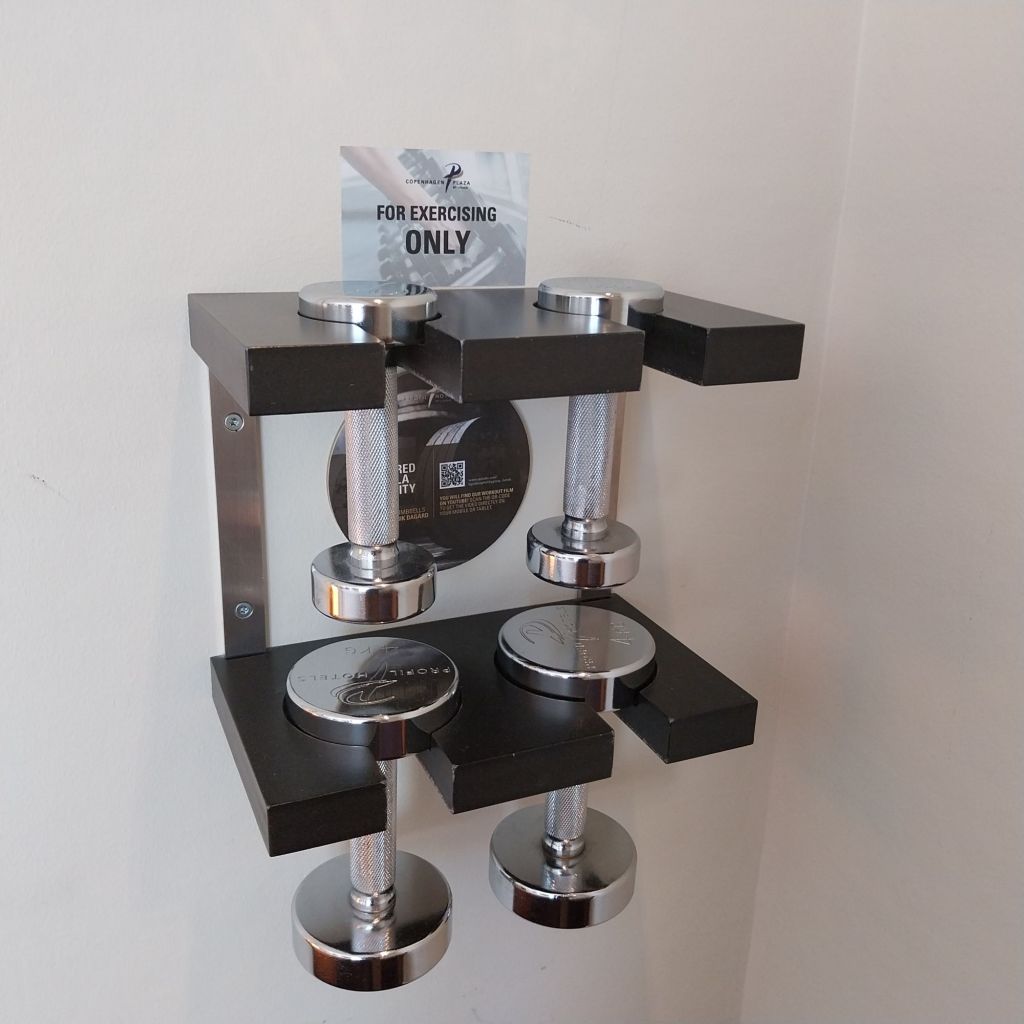
The Plaza Hotel, just across the road form Copenhagen’s central station, is a railway hotel in the best sense of the tradition. Built n 1914, the original lift shaft was still in place, providing an elegant view as you ascend. The corridors had seen better days, with battered doors and padlocks on some unused area. The room itself was descent enough with a view over the railway tracks. And then, a modern touch. Some hotels have gyms and swimming pools – mine featured a personal set of dumbells. The strict instruction on their use left me with a few questions.
I’d originally planned to spend just one night in Copenhagen, having visited the city some years ago. But that didn’t seem like doing the place justice. And in any case, I had a very muddy pair of jeans to get washed, along with two weeks’ worth of other dirty clothes. I’ve learned to always build in maximum flexibility to booking hotels and train travel, so a couple of simple taps on my phone reworked everything by one day.
After the trauma of the morning, a warm sunny afternoon had arrived in Copenhagen, and one of the prettiest places to see it in this kind if weather is the 17th century harbour at Nyhavn. If you see nothing else in the Danish capital, make sure you come here. On a warm Spring weekend it was packed with visitors, but that didn’t matter. The whole atmosphere was relaxed. Two French girls even asked NewsMutt for a picture when they saw him posing.
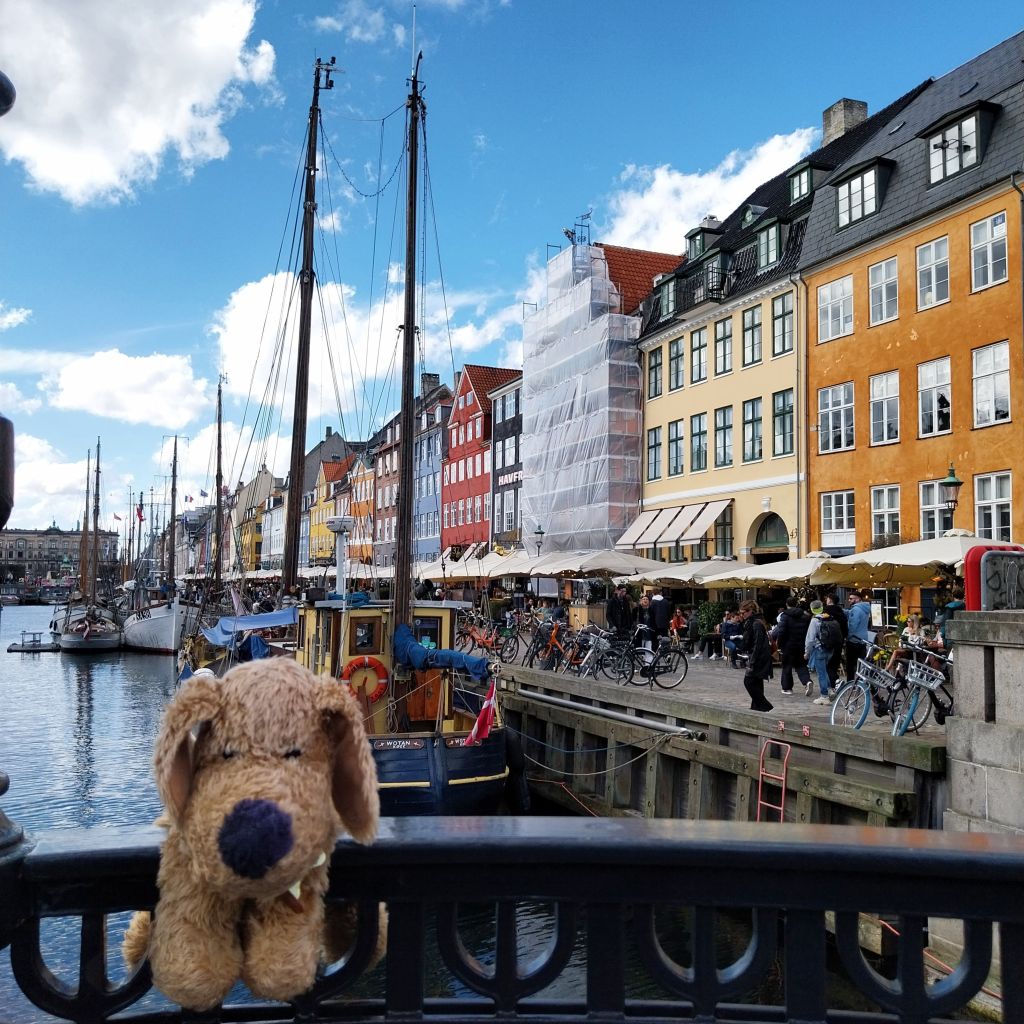
Obviously, all of this went straight to his head and there’s was no stopping him.

Nyhavn itself is a great place to drink and eat, but it’s worth noting that it’s about all of the restaurants and cafes have the same menu and the same prices. Nobody here is setting out to be a disrupter.
A few steps from Nyhavn takes you to the stunning Kongens Nyotorv, which translates into New King’s Square. It’s provides a brilliant view of Copenhagen’s differeing architecture – from the imposing National Theatre to the elegant hotels. Looking up is always a good tip in these situations.
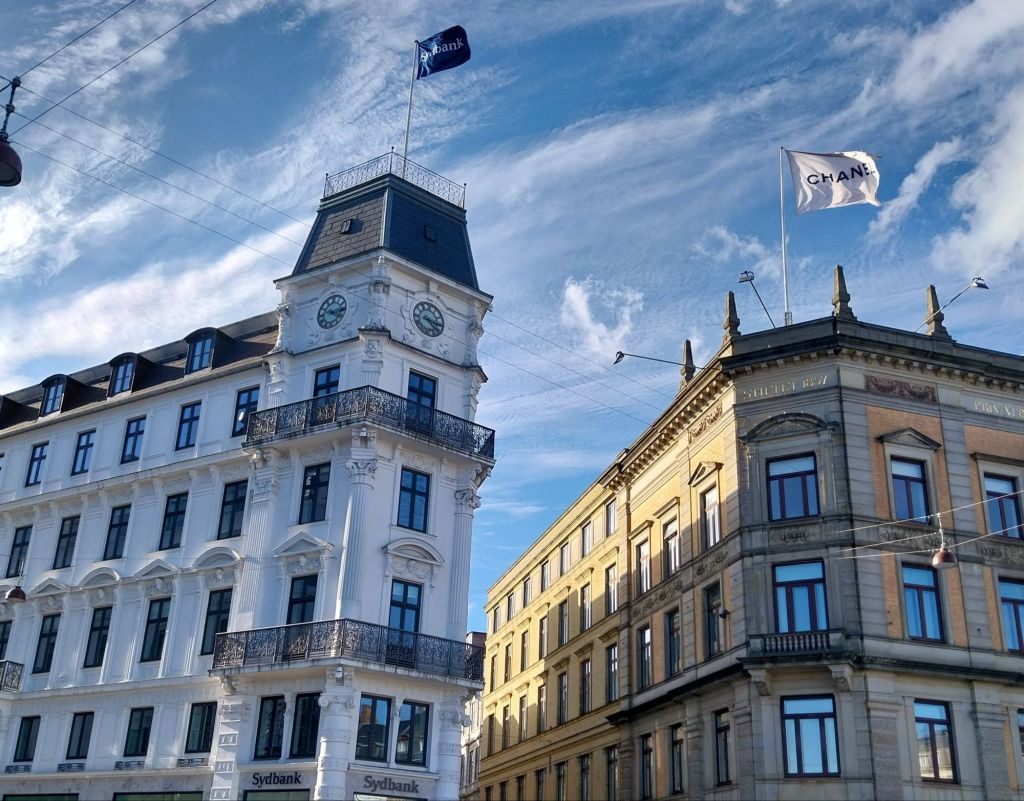
The area is also home to one of Copenhagen’s oldest pubs. Hviids Vintue dates back 300 years and is an obvious tourist trap. Dark wooden panels and uneven floors line the interior. And there’s also a hint of something fairly unique to Western Europe. Most other countries have long established a no smoking policy in bars, but here, there are places where you can still light up indoors. Some places allow it throughout the premises, while other having smoking rooms.


My last minute change meant more time to explore. But first it was all about admin. If you’re travelling for anything longer than two weeks you have to build in certain things – like laundry and keeping up with the mounting credit card spend. In the charmingly named Dybbolsbro district I found a launderette. It’s some years since I’ve had to use one of these – my last, in Budapest – was a joy, with helpful staff taking my clothes and advising me to simply collect them a few hours later. There was no such luxury here – but a brilliant system that matched your credit card to the numbered machine and told you how much to pay. 10 Euro covered a full load,
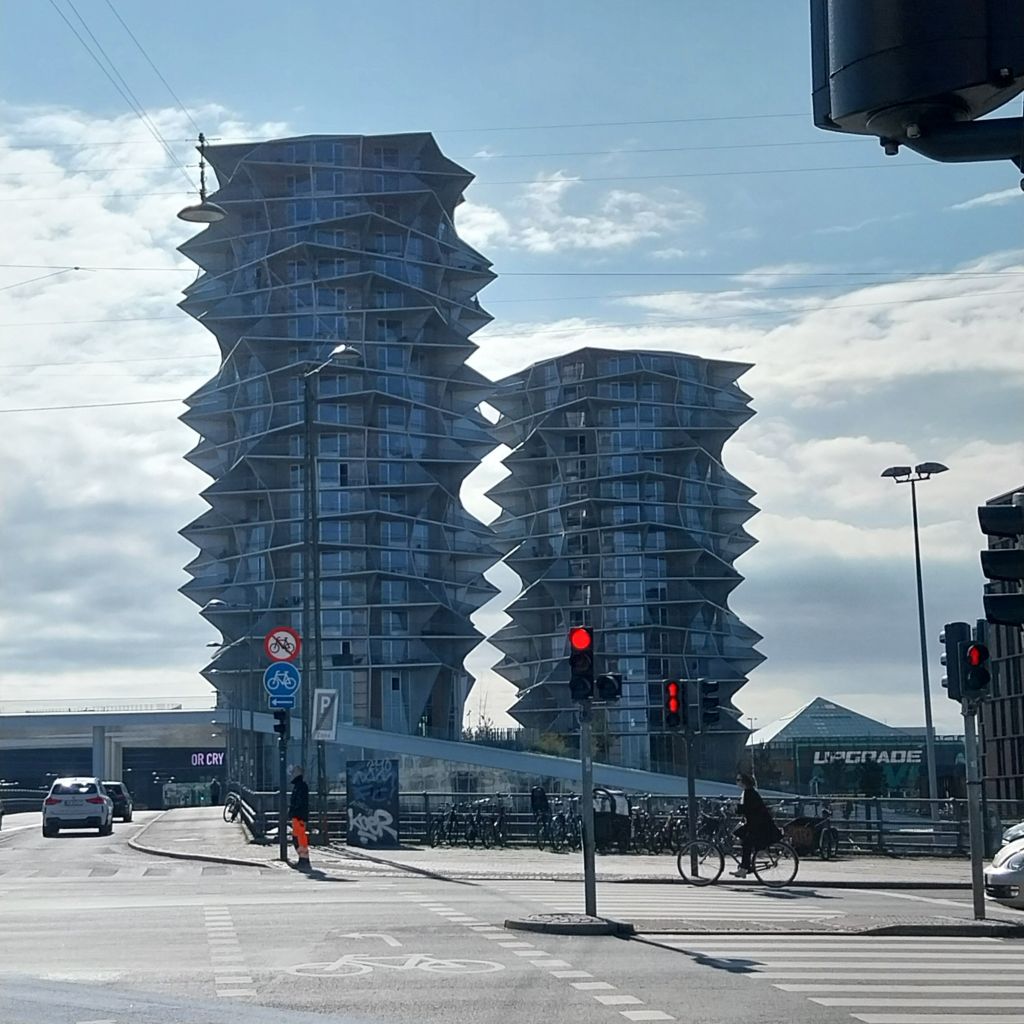
The diversion to Dybbolsbro also meant exploring a neighbourhood away from the tourists. There were plenty of coffee shops, and some interesting buildings, including these apartment towers that reminded me of the game Kerplunk.
Everyone who comes to Copenhagen wants to see the statue of the Little Mermaid. But fewer realise that just around the corner is a fascinating bit of military history that you can visit for free. The Kastellet is one of Europe’s best preserved fortifications. A park close to Osterport station takes you to a moat and then the Kastellet itself. Two uniformed guards stand at the entrance – because this is a working military facility.

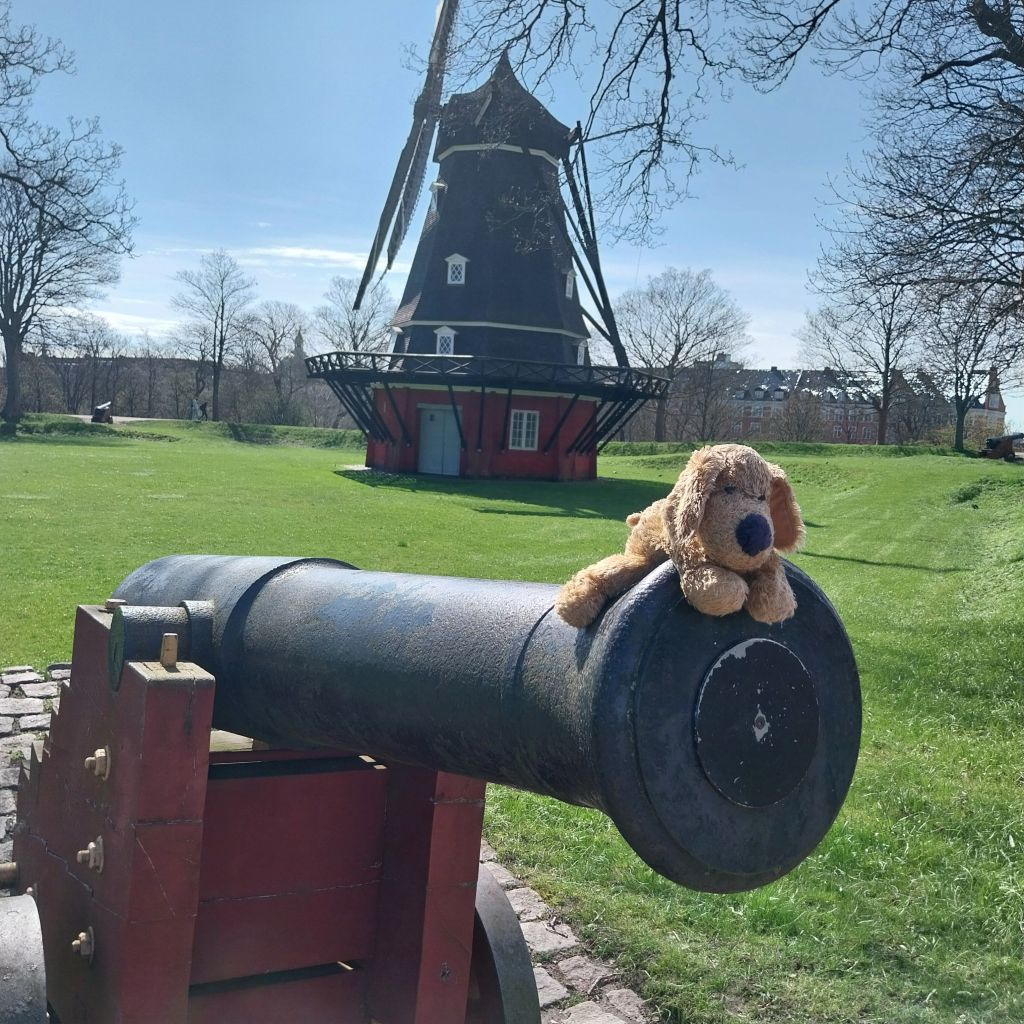
Inside the grounds are various buildings that you can’t visit (the Danish Information Service is based here) and many that you can. A baroque church stands at the end of a parade ground, there’s a windmill on top of the hill. And then there are the bits with signs telling you not to touch.
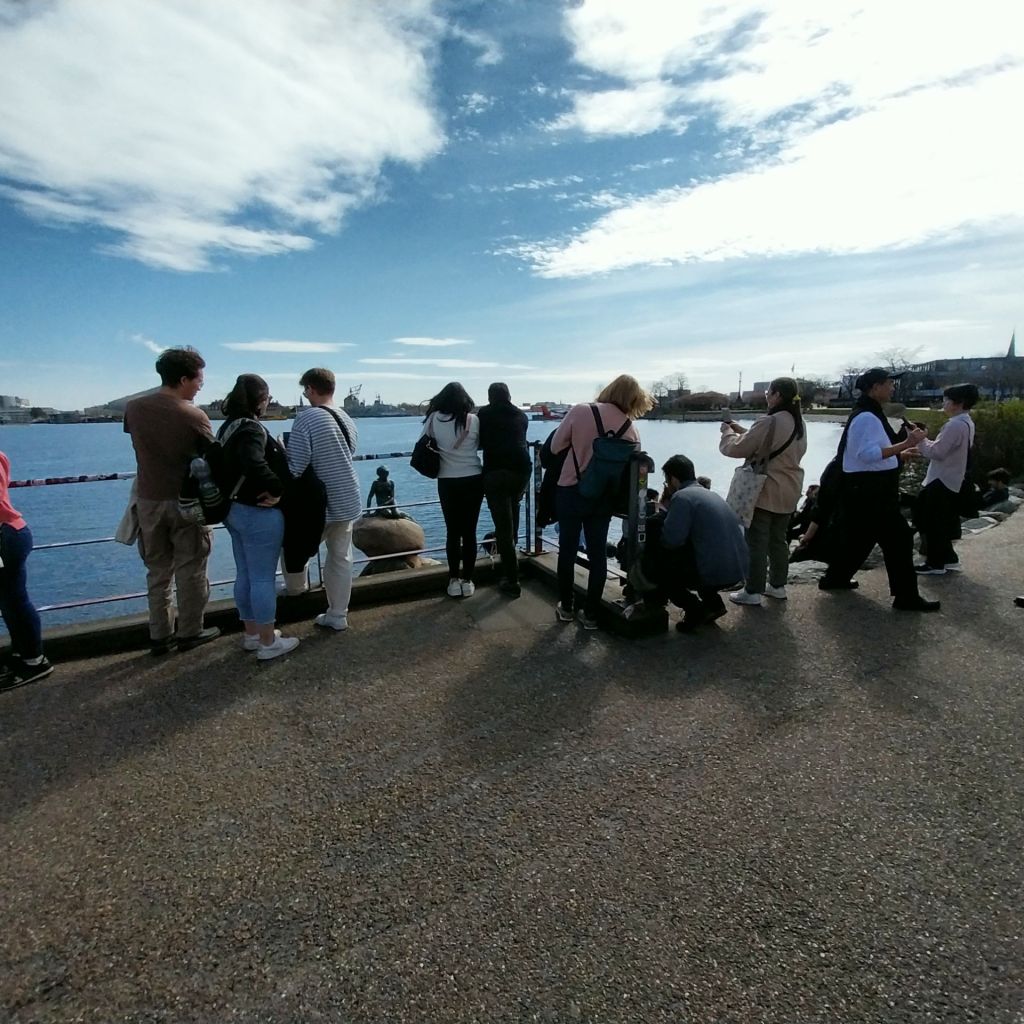
From the Kastellet, you simply follow the hoards of tourists towards the waterfront. There are sightseeing buses, ice creams, coffee and – to my mind – a bit of an underwhelming statue.

The Little Mermaid was gifted to Copenhagen in 1913 by Carl Jacobson, the founder of the Carlsberg brewery. It was inspired by the fairy tale of the same name by Hans Christian Anderson. All of which is very nice, but it’s, well, a bit small. That doesn’t stop the queue for selfies.
I’m more impressed by Copenhagen’s efficiency when it comes to public transport. Buses, local trains and the Metro all operate brilliantly. At every stop there are clear signs saying when the next service is and where it’s going to. And they also know how to look after their cyclists.


There’s one place I didn’t visit in Copenhagen, and it’s arguably one of its most famous attractions. Since 1843, the Tivoli Gardens have been providing pleasure and amusement for local and visitors alike. Today it’s Europe’s second biggest theme park. The entry price of around 18 Euro seems fair enough, but that’s just to walk through the gates. Rides and other attractions are extra. It may be your thing, but my view is there are plenty of other things to see for free. Even if that’s just looking at the place from the outside.

Getting here
By train : Copenhagen is well served by trains from across Europe, and provides a great way of connecting North to Scandanavia. Some cross border services require compulsory reservations. You can get these from any station ticket office or through the DB Website.
Tip : The man centre of Copenhagen is extremely walkable and mostly flat. But t get the best from a short stay, I recommend a 24 or 48 hour travel pass which covers the Metro, local trains and buses. Check out the official transport website for the details and how to download the app to your phone.

 TravelCaster
Leave a comment