
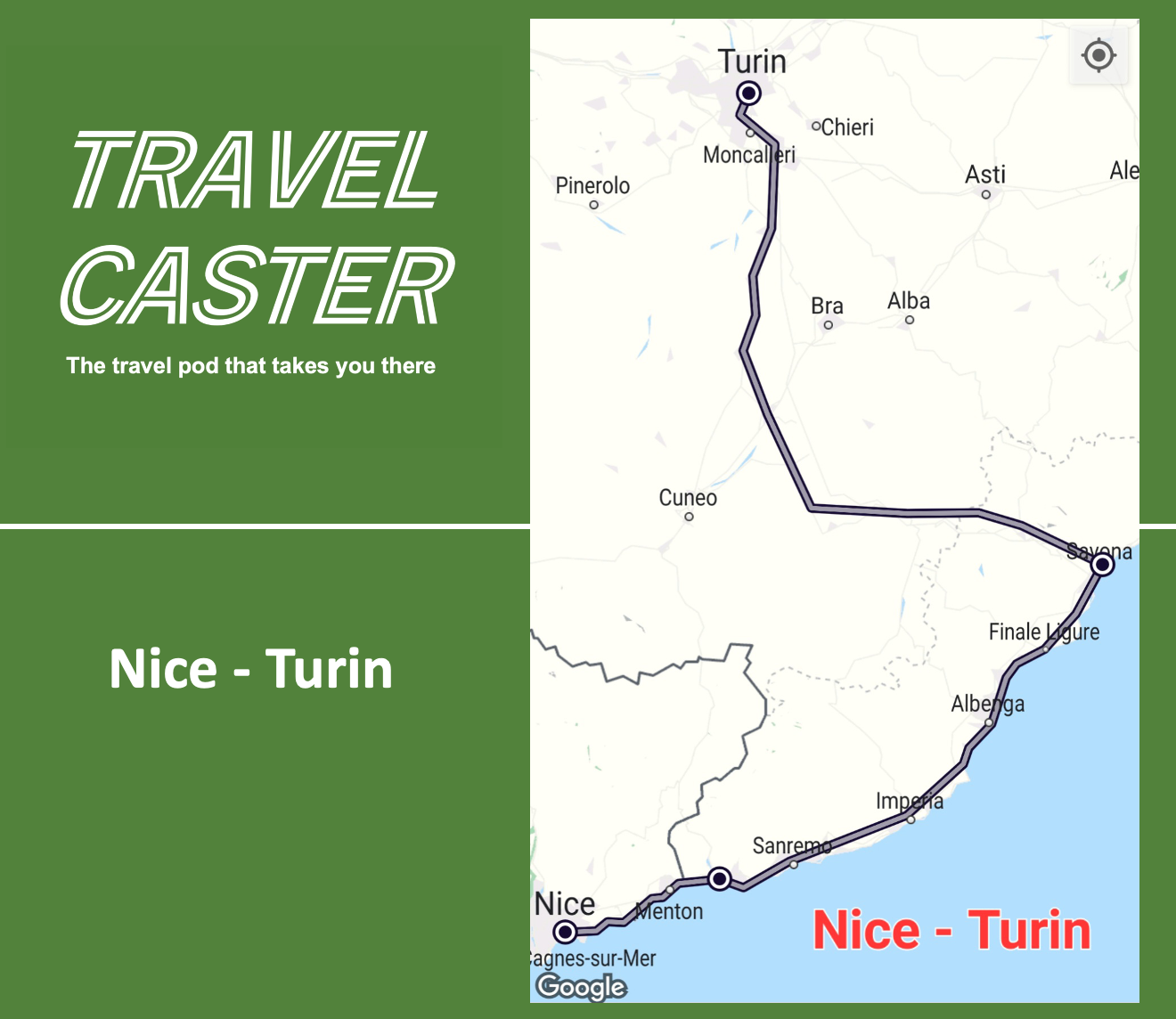
Nothing quite says “Bonjour” than the sound of an email notification in the middle of the night. It’s a factual, causal message from SNCF, telling me that my morning connection to Vintimiglia has been cancelled. Fortunately I’m up early enough to be able to find an earlier departure, though after last night’s magnificent chee and wine combo I could have done with a lie in.
The breakfast at the hotel Khla (I have no idea where the names comes for or what it means) is filling enough. Again, more time would have been nice to sample the ample buffet, but time waits for no man, especially when he want to convert the “Bonjour” into a “Buongiorno” by luncthime.

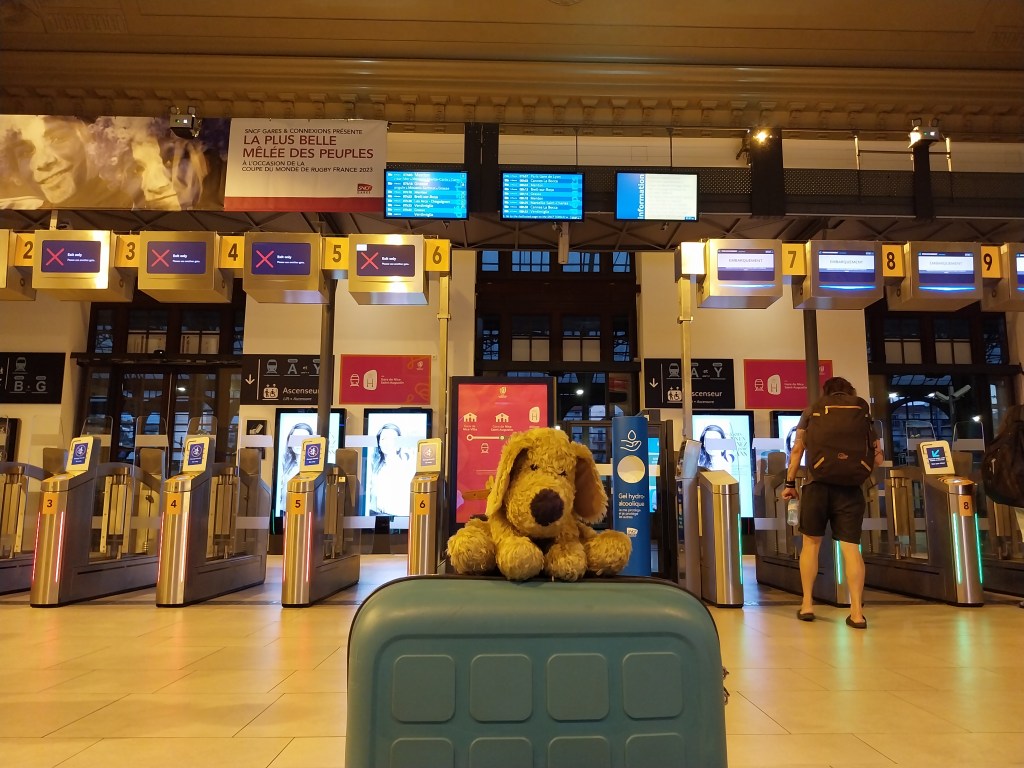
Nice Ville station is busy with morning commuters and the train is crowded at first. But just three stations down the line, at Monaco, there is a mass exodus, as the beautiful and busy depart for a day’s hefty posing at the office. The marina, made famous by its annual appearances during the Grand Prix, bends out of sight, and from the upper deck of the TER train, stunning views of the Cote D’Azur stretch out into the sea. The sights are punctuated by short tunnels, dug into the land to bring convenient travel here in the nineteenth century.

The earlier start means I’m also able to make an earlier connection to Savona, where a further change of train will take me onto Turin. Because of my earlier delay – with no services from France through the Southern Alps – I’ve had to buy a whole ticket for today’s journey, as I’m only allowed a total of five days of travel with the Eurail pass.
But bizarrely, the 0830 departure from Vintimiglia will arrive in Savona at roughly the same time as the 0910. Yes, I’ve ended up on a slower, regional train. But it doesn’t matter, because the journey is taken at a more leisurely pace, continuing along a coastal route – now the Ligurian Riviera – stopping off at countless pretty seaside towns. I’m reminded of an earlier visit to Pisa, where a short ride up the same coast brought a stunning day in Viareggio. The Italians love their beaches – many are privately owned, operated in a strictly regimental way. But for a few Euro you’re guaranteed a sun lounger, a parasol and an nearby cafe.
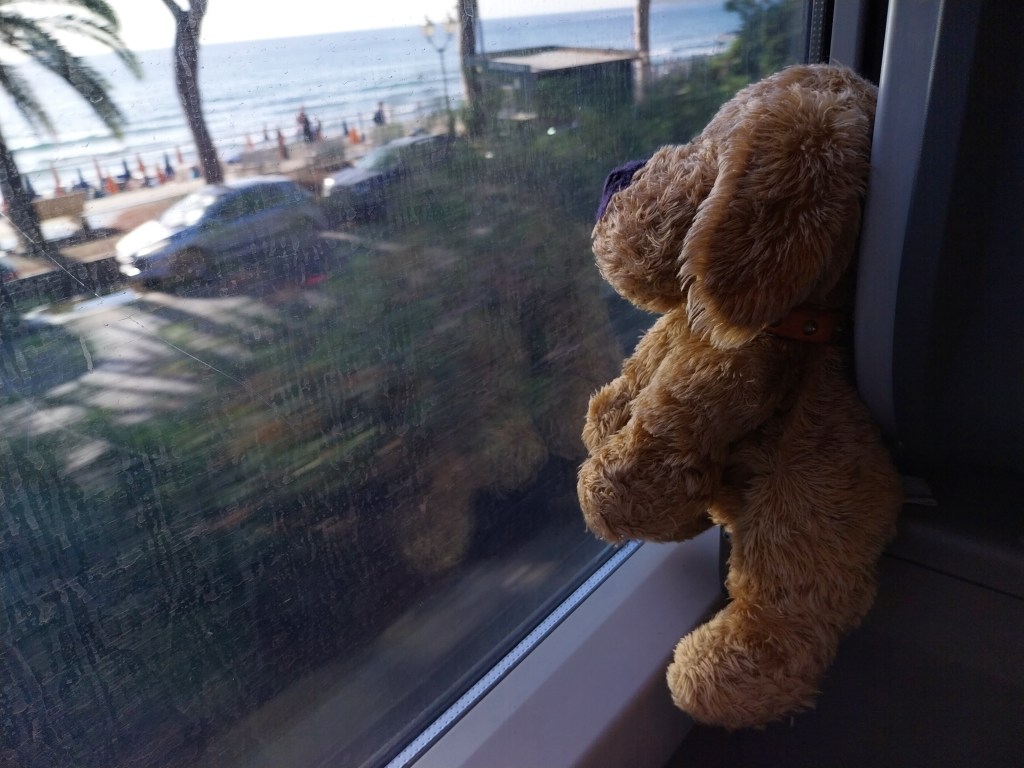
The coastal railway here was a feat of great engineering – first conceived in 1857, the line between Genoa and the French border was designed to improve access to important ports. It was also seen as an important part of Italian unification, which only happened in 1861. It’s a part of history that will become apparent at my next destination.
Another change of trains is required at Savona, through with less than an hour between my connections, and no luggage storage facilities, there’s little to do other than have an early lunch at the station. There are two cafes; one a plush, all glass modern affair looking like any other railway food outlet on earth. But at the other end, a small sandwich bar, serving basic fare including a selection of fresh Foccacia sandwiches. These days, they’re found the world over, but nobody does it quite like the Italians. Mozzarella and prosciutto melt together between the bread – nothing like the chewy focaccias you may have tasted elsewhere. It’s the best kind of Italian food – a few, very basic ingredients, done exceptionally well. It certainly makes it for the rather mundane view around the station itself.


And so to the third and final train of the day, turning north and heading towards Turn. The line snakes through narrow valleys, the countryside marked by farms, and small communities with allotments set on perilously steep slopes below. Several sections of the railway here are single track, which may account for the stops along the way, as we let a train pass going south.
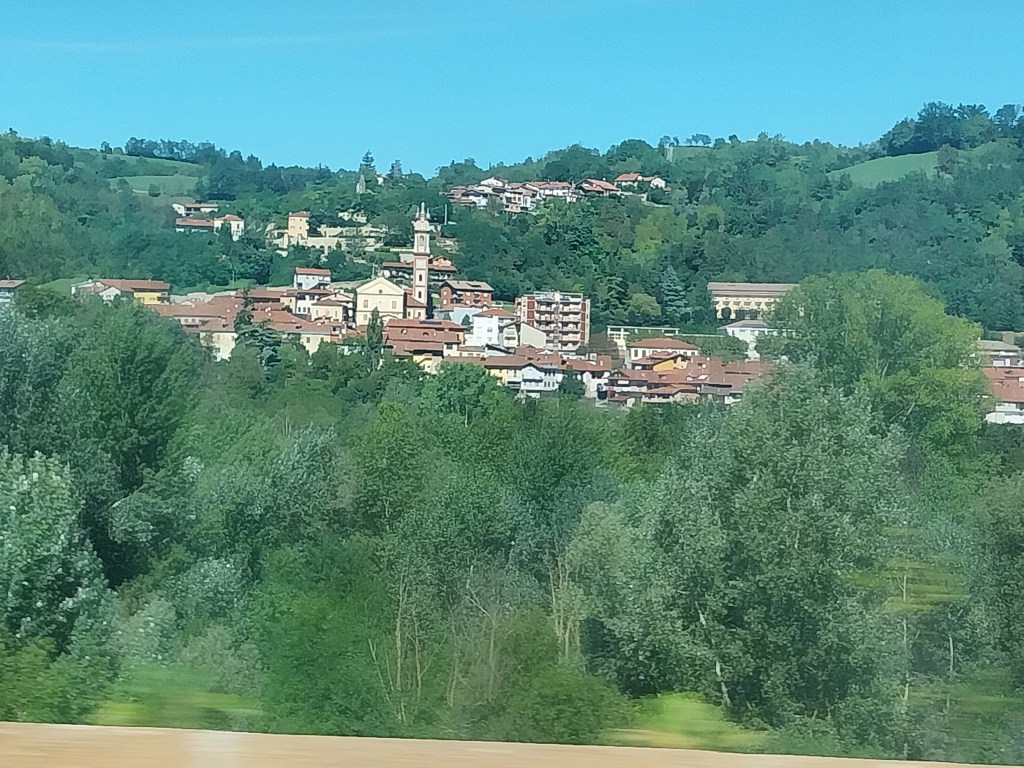
The landscape changes to lush green. The village of San Michele Mondovi assumes a classic Italian design of the Piedmont region. It looks stunning in the September sunshine.
It’s a warm lunchtime when I arrive at Turin’s main Porta Nuovo staton. Any history that may have once been here has been built over with a carbon copy functionality of any European terminal. But at soon as you walk onto the streets, this city’s distinctive architecture is everywhere.

While many classic historians bask in the beauty of Turin’s many porticos, all I can think of is Michael Caine and his mates driving through them in Minis in The Italian Job. If you look hard enough, you can visit some of the locations featured in the film. But today, looking from the outside is all you can do.
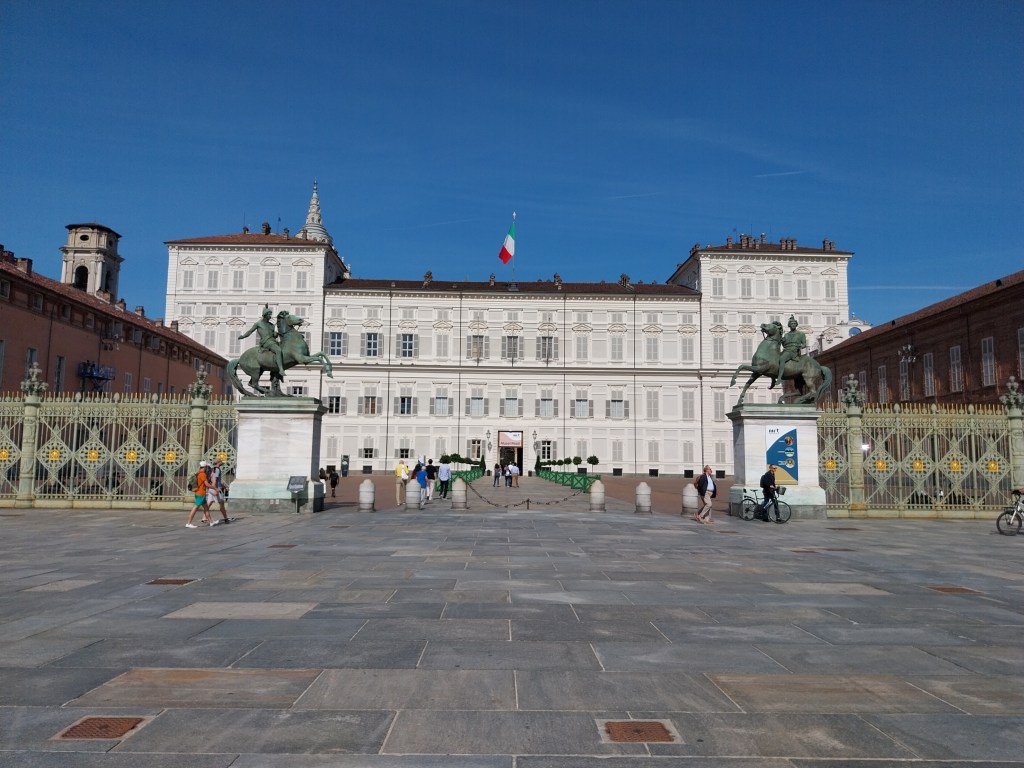
I’ve managed to arrive on a Tuesday, and as every good tourist knows, Tuesdays are when most of the museums are closed. But the sun is shining, so ther’s plenty of time to simply admire many of the famous buildings for free. The Mole Antonelliania is among the most recognised in the whole of Turin – quite the feat given the competition. And someone is determined to get a selfie.

On Via Po, the longest and most visited of the porticod streets, Cafe Fiorio is famed as the place to be seen. Royals, artists and writers like Mark Twain have all sat in its famous salon. The prices don’t seem unreasonable for a large city – and if you don’t fancy sitting down you can just get a takeaway gelato.

Via Po’s not quite the place it once was. The swisher names in fashion and jewels are to be found on other streets. The road’s proximity to the University may account for its bohemian look, with stores selling cheap clothes and second hands books. This is a place to simply walk and browse.

It’s mid afternoon, the time when a lot of restaurants close for a few hours while their owners take shelter from the heat and prepare for the evening rush. Though when the evening comes, parts of the city are spookily quiet. Perhaps it’s a Tuesday thing, but many restaurants seem short of trade – it’s far less busy than I had imagined. A recommendation from a friend leads me to a restaurant that has changed in classic Italian to Persian cuisine. A bus ride to what was meant to be a beer hall brings me to a lifeless bar. And then there’s Open Baladin.

It looks like someone lifted an alpine apres ski bar and deposited it in an abandoned concrete square. And that’s pretty much what this is, Except Baladin, one of the original Italian craft brewers, has made a vibe all of its own. The menu features over a hundred beers, paired with food using local ingredients. It’s a pub by any other name – but with a character all of its own. This wasn’t what I’d been expecting in Turin, but sometimes it’s the unexpected places that turn out the most memorable.

And the walk back to the hotel isn’t too bad either. Piazzas are lit up as people meet their lovers or walk their dogs in the cooler night air.

Getting here
By train : Depending on the time of day, you’ll need to change trains a couple of times en route. My journey took me via Ventimiglia and Savona, requiring three separate reservations. You can book a through ticket via Rail Europe, though you may have to collect some tickets in person at Nice station. For Eurail passes, go straight to the Eurail website. Again, reservations may be required depending on the exact route taken.
Tip : If time is on your side, consider spending an extra day in Nice or one of the many towns along the Cote D’Azure/Ligurian Riviera – the Italian side may be a little cheaper than the French in terms of accommodation and refreshments.

Practical stuff
Stay : I stayed at Le Petit Hotel, centrally located in Turin’s Old Town. It’s a functional place, not exactly luxurious but clean and efficient. Breakfast is served in the basement room with annoyingly slow and old elevators. It’s a short tram ride from Turin’s main Porta Nuova station.
Eat/Drink : The famous Cafe Fiorio on Via Po attracts the crowds and is worth stopping by at least for a takeaway gelato, but you’ll find no shortage of small cafes around the central area of Turin. Open Baladin is great for craft beer lovers, and also offers a decent lunch and evening menu, with full plates or light bites to suit the mood.
Getting around : A daily public transport ticket – good for trams, buses and the metro – costs just under €4 and can be nought from any tobacconist. Remember to validate your ticket on your first journey.
 TravelCaster
Leave a comment